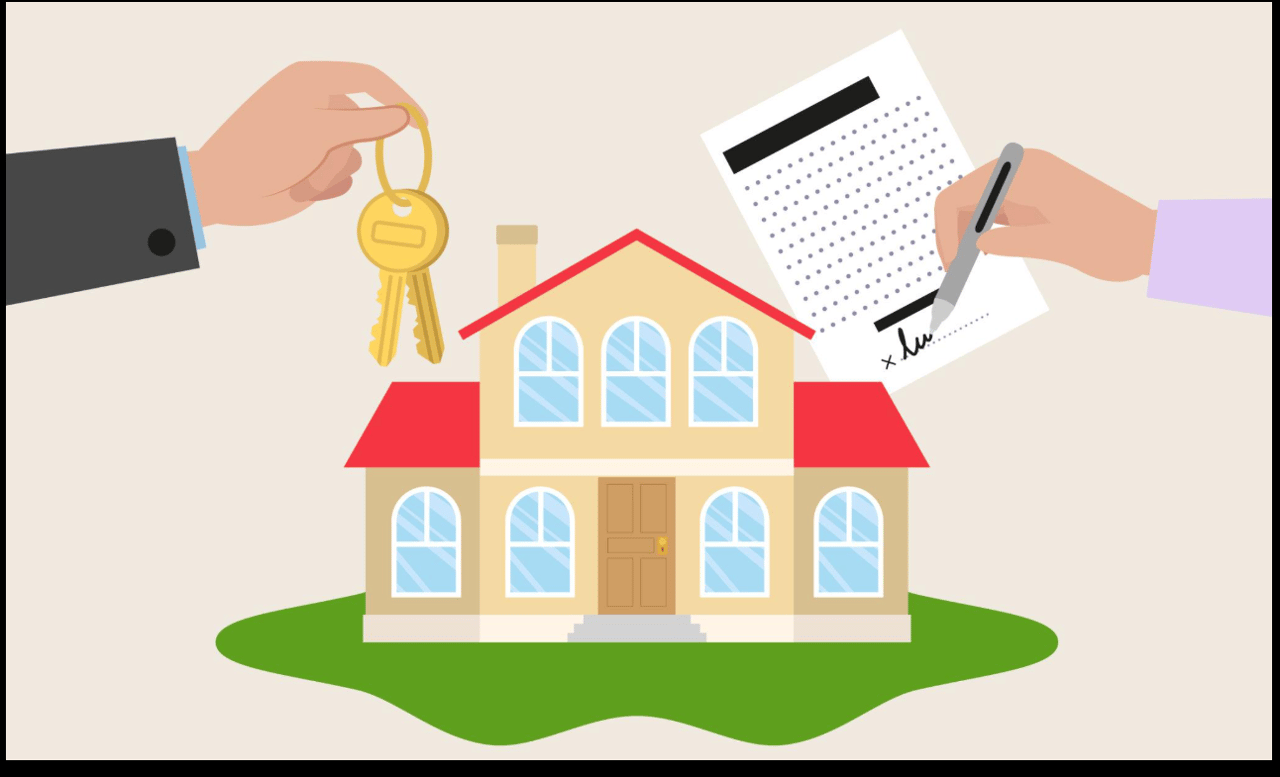
What Happens After You Accept an Offer on Your Home?
Real Estate News The Mark & Al Team August 10, 2026
Real Estate News The Mark & Al Team August 10, 2026
Accepting an offer on your home is a major milestone, but it doesn't mean the selling process is finished. Once you and the buyer agree to the terms, the transaction moves into the next phase, where inspections, disclosures, financing, escrow, and other important steps need to be completed before the sale can officially close.
For many sellers, this part of the process can feel unfamiliar. Understanding what happens after accepting an offer can make the process feel much more manageable and help you know what to expect along the way.
Whether you're selling in Glendora, Covina, West Covina, San Dimas, La Verne, Azusa, or a surrounding community, here's a general look at what happens after an offer is accepted.
1. Escrow Is Opened
After the purchase agreement is accepted and signed, the transaction moves into escrow.
Escrow provides a neutral process for handling important parts of the transaction, including funds and documents.
During this stage:
Your real estate professional and escrow team will help keep track of these deadlines throughout the transaction.
2. The Buyer Completes Their Due Diligence
One of the first major steps after acceptance is the buyer's investigation of the property.
Depending on the terms of the purchase agreement, this may include:
As a seller, it's important to keep the home accessible for scheduled inspections and appointments.
3. Inspections May Lead to Negotiations
A buyer's inspection may uncover anything from minor maintenance items to more significant concerns.
If the buyer requests repairs, credits, or other changes, you'll have an opportunity to review and respond to those requests according to the terms of the agreement.
Not every inspection finding requires a repair or concession. The response depends on the circumstances, the purchase agreement, and negotiations between the parties.
Your real estate professional can help you evaluate the request and determine an appropriate response.
4. The Buyer's Lender Processes the Loan
If the buyer is obtaining financing, their lender will continue processing the mortgage.
The lender may review:
This is why sellers should avoid assuming the transaction is guaranteed simply because an offer has been accepted.
The buyer still needs to satisfy the requirements of their loan and the purchase agreement.
5. The Home May Be Appraised
When a buyer is financing the purchase, the lender will typically order an appraisal to determine the property's value.
The appraisal is primarily for the lender's purposes and helps determine whether the property supports the amount being financed.
If the appraisal comes in below the purchase price, the parties may need to discuss possible solutions depending on the terms of the contract.
6. Title and Escrow Complete Their Work
While the buyer is working through financing and due diligence, the title and escrow teams are handling their part of the transaction.
This may include:
Sellers may need to provide information about existing loans, liens, or other property-related matters.
7. Keep the Home in Agreed-Upon Condition
Once you've accepted an offer, it's important to continue taking care of the property.
Continue maintaining:
If repairs were agreed upon as part of the transaction, make sure they are completed according to the agreed terms and retain any relevant documentation.
8. The Buyer Completes a Final Walkthrough
Before closing, the buyer will generally have an opportunity to conduct a final walkthrough.
The purpose is to confirm that:
The final walkthrough isn't typically a new inspection. It's primarily an opportunity for the buyer to confirm the property's condition before closing.
9. Closing Documents Are Signed
As the transaction approaches closing, the necessary documents are prepared and signed.
The seller may need to sign documents related to:
Your escrow and real estate professionals will help explain what needs to be completed.
10. The Sale Closes
Once all required conditions are satisfied, documents are signed, and funds are properly transferred, the transaction can close.
The deed is recorded according to the applicable process, and ownership transfers to the buyer.
After closing, the seller receives the proceeds from the sale after applicable payoffs, fees, and expenses are accounted for.
At this point, you've officially completed the sale.
What Sellers Should Avoid After Accepting an Offer
Once you're under contract, it's important to stay focused until the transaction closes.
Avoid making unnecessary changes to the property or creating circumstances that could complicate the transaction.
It's also wise to:
Staying organized can help prevent unnecessary delays.
Understand Your Local Market
The exact process and timeline can vary depending on the transaction, contract terms, financing, and current market conditions.
Whether you're selling in Glendora, Covina, West Covina, San Dimas, La Verne, Azusa, or a surrounding community, having an experienced real estate team to guide you through the transaction can help you understand what happens at each stage.
Every sale is different, but knowing the general process can make the period between accepting an offer and closing much easier to navigate.
Final Thoughts
Accepting an offer is an exciting step, but there is still important work to be completed before the sale is officially closed.
From escrow and inspections to financing, appraisal, title work, final walkthroughs, and closing documents, each stage plays an important role in getting the transaction across the finish line.
The best thing a seller can do is stay organized, maintain the property, communicate with their real estate team, and understand what is expected at each stage.
Whether you're selling in Glendora, Covina, West Covina, San Dimas, La Verne, Azusa, or a surrounding community, having the right guidance after accepting an offer can help make the process smoother and give you confidence all the way to closing day.
Stay up to date on the latest real estate trends.
Real Estate Terms Explained

Seller's Guide
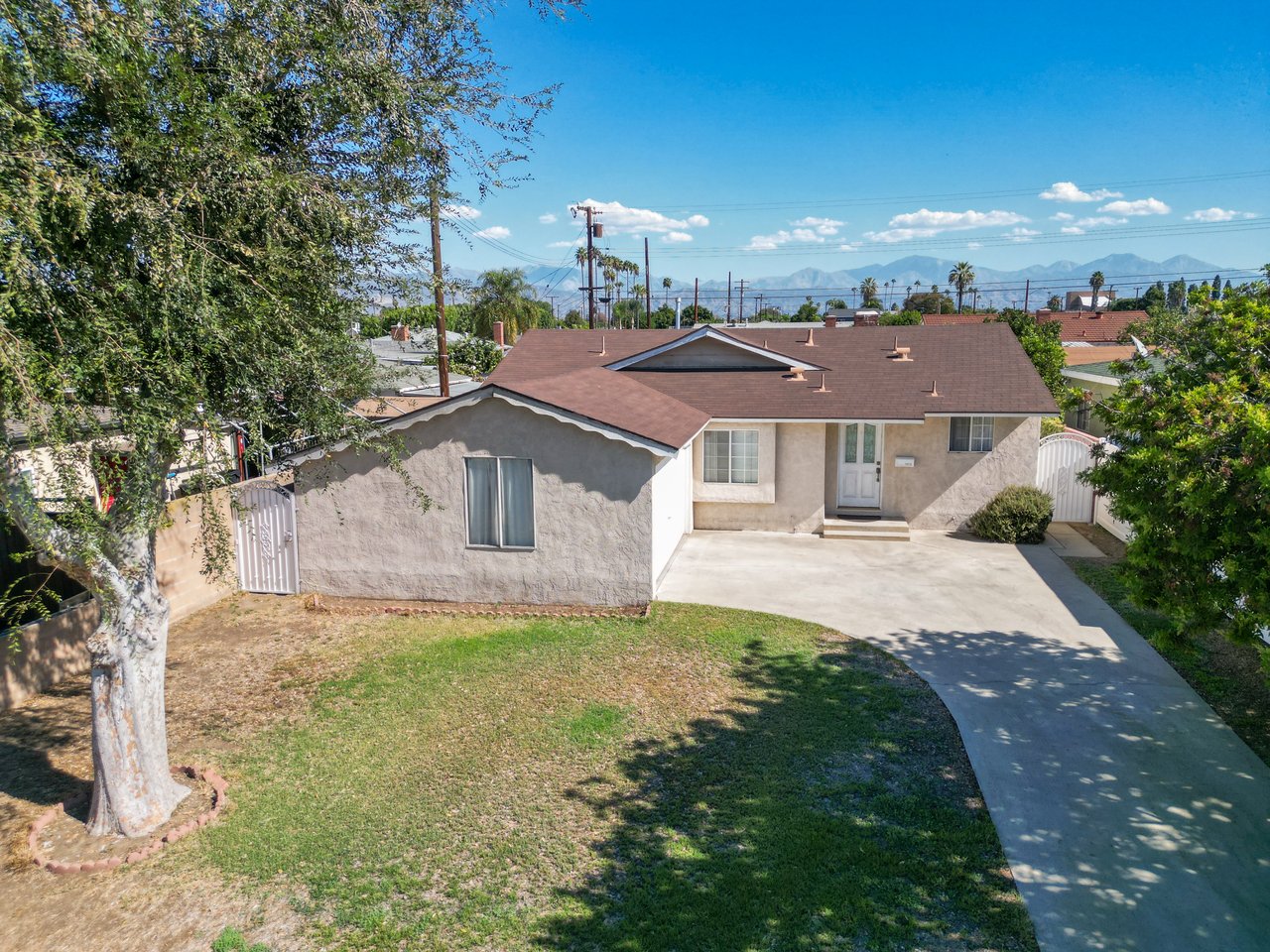
Charming Home with A Spacious Backyard in La Puente
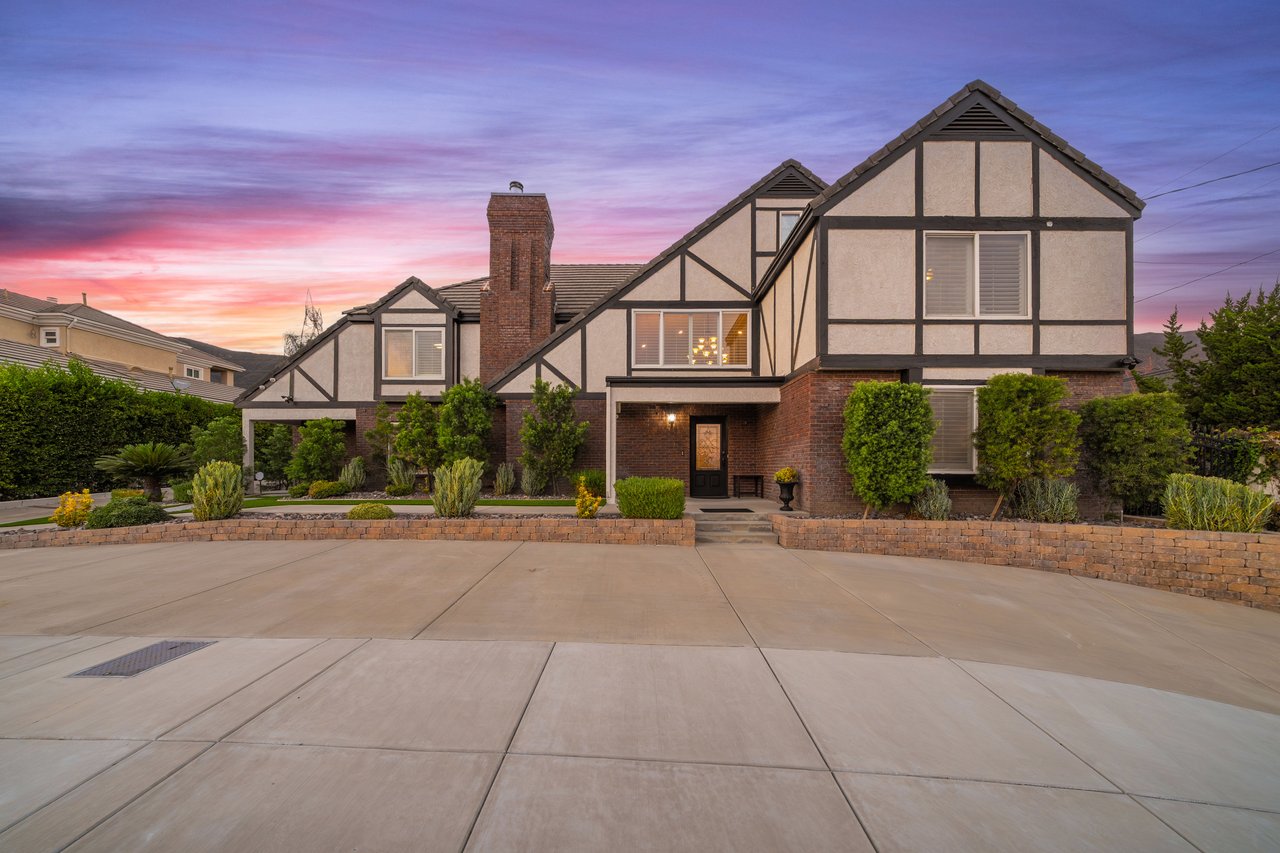
New Listing
Custom-Built Home on One Acre in Rancho Cucamonga's Alta Loma Community
Seller's Guide
Our team is ready to handle every aspect of your transaction to facilitate the home buying, selling, commercial, or retail sale process. From the largest estate property to the first time buyer purchase, commercial real estate, and everything in between, we have the experience and knowledge to help.