Upland's Median Home Price Is Flat. Two of Its Neighborhoods Are Not.
October 1, 2026
October 1, 2026
The city-level number for Upland has barely moved this year. Redfin put the median sale price at $769,000 in March 2026, down less than half a percent from a year earlier. Zillow's separate home value index showed $823,319 as of July 2026, up seven-tenths of a percent over the same stretch. Different methodology, different number, same basic story: essentially flat.
Underneath that flat headline, two of Upland's own neighborhoods were moving in opposite directions. As of July 2026, Redfin's neighborhood data showed North Upland averaging $891,000, up 5.1 percent year over year. Downtown Upland averaged $638,000 over the same window, down 10.3 percent. That's not noise. That's two markets inside one zip code telling two different stories, and the citywide median blends both, which means it accurately describes neither.
If you're comparing what your money buys across Upland's neighborhoods, the city number is close to useless on its own. Here's what's actually driving the split, and what it means for anyone shopping a specific part of town rather than a citywide average.
Part of the problem is volume. Only 40 homes sold citywide in March 2026, down from 57 the same month a year earlier. A median built on 40 transactions swings on outliers in a way a median built on 400 transactions doesn't. When one $2 million estate sale or one cluster of entry-level townhome closings lands in a given month, it can shift the citywide figure meaningfully, even though nothing changed about what a typical North Upland ranch house or a typical downtown condo was worth.
The other part of the problem is composition. Upland's neighborhoods aren't interchangeable slices of the same housing stock. North Upland and San Antonio Heights carry an older, larger-lot housing supply built mostly between 1940 and 1969, according to NeighborhoodScout, back when ranch-style single-story construction on generous lots was standard. Downtown Upland has spent the last two years absorbing new attached construction on a much smaller footprint. Blend those two supply types into one median and you get a number that doesn't represent either.
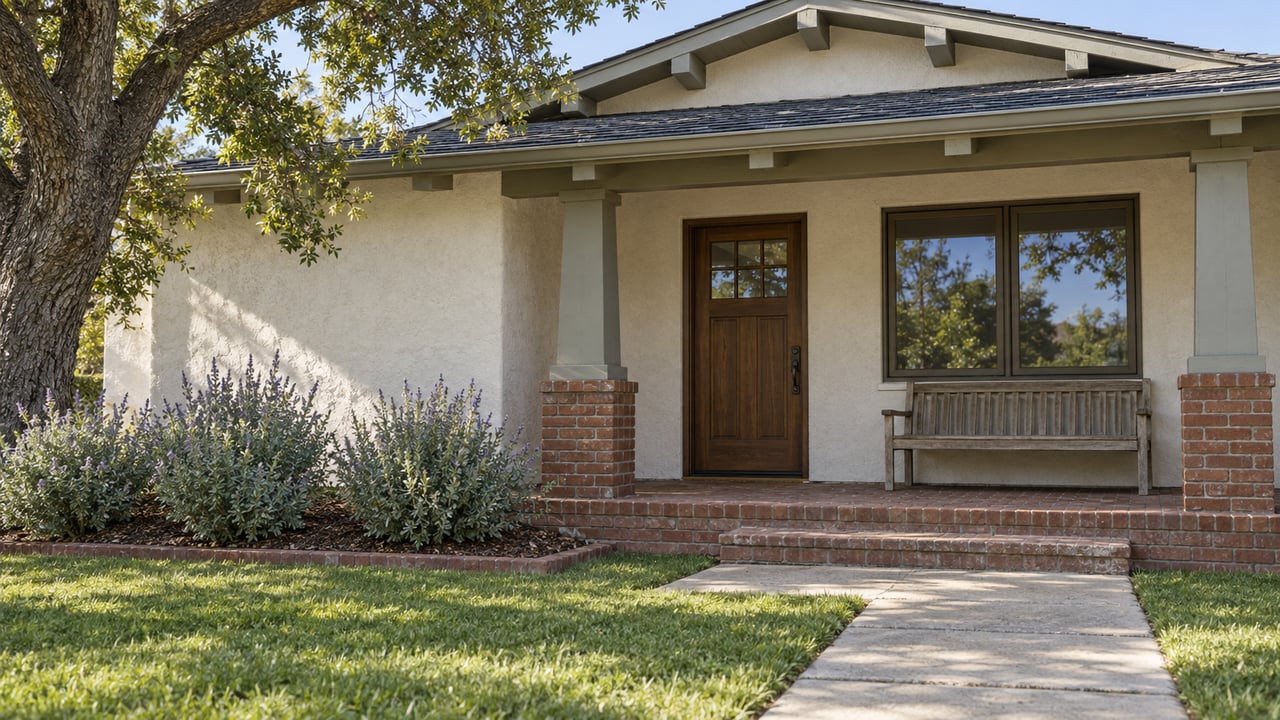
North Upland is where Upland's original character shows up most: single-story ranch homes, mature landscaping, lots that commonly run 10,000 to over 20,000 square feet according to Redfin's neighborhood data. That inventory is aging into its mid-to-late 20th century, which means updated kitchens and newer systems carry a real premium over original condition, but the land underneath it hasn't gotten any smaller.
At $891,000 average and 5.1 percent appreciation as of July 2026, North Upland is the part of the city rewarding buyers for space rather than square footage. Homes there sell in about 36.5 days on average, per Redfin, and hot listings go pending in as few as 23 days at roughly 3 percent above list. That's a market with real competition for the right property, concentrated on the larger, older parcels rather than spread evenly across the city.
Downtown Upland's 10.3 percent year-over-year decline as of July 2026 isn't a story about the neighborhood losing appeal. It's a story about new supply changing what gets counted in the average.
In September 2024, City Ventures broke ground on Towns on First, a 32-unit attached townhome community at 105 N. 1st Ave, a few blocks from downtown's restaurants and the Metrolink station. The project included five deed-restricted units for lower-income buyers and, later, a separate limited offering of below-market-rate townhomes for moderate-income buyers, built in partnership with the City of Upland. By October 2025, City Ventures reported the community was nearly sold out, with homes priced from the mid-$500,000s, more than 40 percent below the $835,000 citywide median Redfin had reported for September 2025.
That gap matters. Downtown Upland used to be almost entirely detached single-family houses. Add three dozen new attached homes priced well under the city median into that same comp set, and the neighborhood average drops even if every existing detached house downtown held its value or gained. A falling neighborhood average driven by new lower-priced supply is a different signal than a falling average driven by existing homes losing value, and conflating the two leads buyers and sellers to draw the wrong conclusion about what's happening to their own property.
That setting also has a strong transit connection: the San Bernardino Metrolink line, which serves the Upland station, saw average weekday ridership climb about 10 percent year over year to nearly 7,000 riders for the three months ending in June 2025, making it the system's most-used line.
North of the city line, San Antonio Heights sits in an entirely different category. It's an unincorporated community in San Bernardino County, not part of the city of Upland, though it shares the Upland mailing address and the 91784 zip code. County agencies, not city departments, handle many local services there, which is worth knowing before assuming Upland city policies or processes apply.
The housing stock reflects its history as a slow-growth foothill area dating to the mid-1940s rather than a tract-built subdivision: a mix of mid-century ranch homes and larger custom estates with Spanish and Italian influences, most on lots well above 10,000 square feet and some stretching past an acre. San Antonio Park anchors the neighborhood, home to Upland Foothill Little League's ball fields, and the Euclid Trail nearby is used for walking, jogging, and horseback riding down from the hills.
Pricing here is where the data gets genuinely inconsistent, and that inconsistency is itself the lesson. Homes.com's tracked sales for the trailing 12 months put the median at $1,343,800, down 4 percent from the prior 12-month period, in one read of the data. A separate 12-month window showed a median near $1.67 million, up roughly 18 percent. Both can't describe the same steady trend, and they don't need to: San Antonio Heights is a low-volume luxury micro-market where a handful of custom estate sales, sometimes on lots ten times the size of a typical Upland parcel, can swing a 12-month median by hundreds of thousands of dollars depending on exactly which properties closed and when the window starts. Zillow's estimate for the broader 91784 area, which includes San Antonio Heights and adjacent North Upland parcels, put the average home value at $986,758 as of July 2026, up half a percent year over year, a steadier read simply because it covers more properties.
The practical takeaway isn't to pick a favorite number. It's to treat any single year-over-year percentage from this pocket of the market with real skepticism until you've looked at actual comparable sales on similar lot sizes.
| Area | Average price | Year-over-year change (as of July 2026) | What's driving it |
|---|---|---|---|
| North Upland | $891,000 | +5.1% | Older ranch homes on large lots, limited new supply |
| Downtown Upland | $638,000 | -10.3% | New lower-priced attached construction entering the comp set |
| San Antonio Heights (unincorporated) | $1.34M to $1.67M depending on window | Reported both -4% and +18% | Low sales volume, custom estates on large lots |
The same $700,000 to $800,000 budget lands you in genuinely different situations depending on which of these you're shopping. In North Upland, it likely means an older single-story home on a lot large enough for a pool or an ADU, possibly needing updated electrical or plumbing given the 1940s to 1960s-era construction common there. Downtown, that budget puts you well above the entry price of the newest attached construction and into the existing detached housing stock that the new supply hasn't touched. In San Antonio Heights, that budget is at the low end of what's currently listed, and you're more likely competing for a smaller ranch home than a custom estate.
None of these numbers tell you what a specific house is worth. They tell you which conversation you're actually having when you compare a listing's price to "the Upland median," and why that comparison only works once you know which of these three markets the listing sits in.
Is San Antonio Heights part of the city of Upland? No. It's an unincorporated community in San Bernardino County that shares the Upland name and the 91784 zip code, but county agencies handle many services that a city government would otherwise provide. Confirm jurisdiction on any specific parcel before assuming city rules apply.
Does downtown Upland's falling average mean existing homes there are losing value? Not necessarily. The decline coincides with roughly three dozen new attached townhomes at Towns on First entering the sales data at prices well below the historical downtown average. That shifts the average without requiring any existing detached home to have sold for less than it would have a year earlier. Looking at comparable sales for your specific home type is more reliable than watching the neighborhood average alone.
Why do luxury-market numbers for San Antonio Heights swing so much between sources? Low sales volume. When a neighborhood only sees a handful of closings in a 12-month window, one or two unusually large or unusually modest estate sales can move the median by a large percentage. Wider indices covering more of the surrounding zip code tend to show steadier, smaller movements.
If you're trying to figure out what your own Upland property is actually worth in this environment, a citywide average won't get you there. The Mark & Al Team can pull the specific comparable sales for your neighborhood and walk you through what they mean for your situation. Start with a free home valuation or reach out through our buyer resources if you're the one shopping across these markets.
This article is general information, not legal, tax or financial advice. Consult a qualified professional about your situation.
Stay up to date on the latest real estate trends.
New Listing
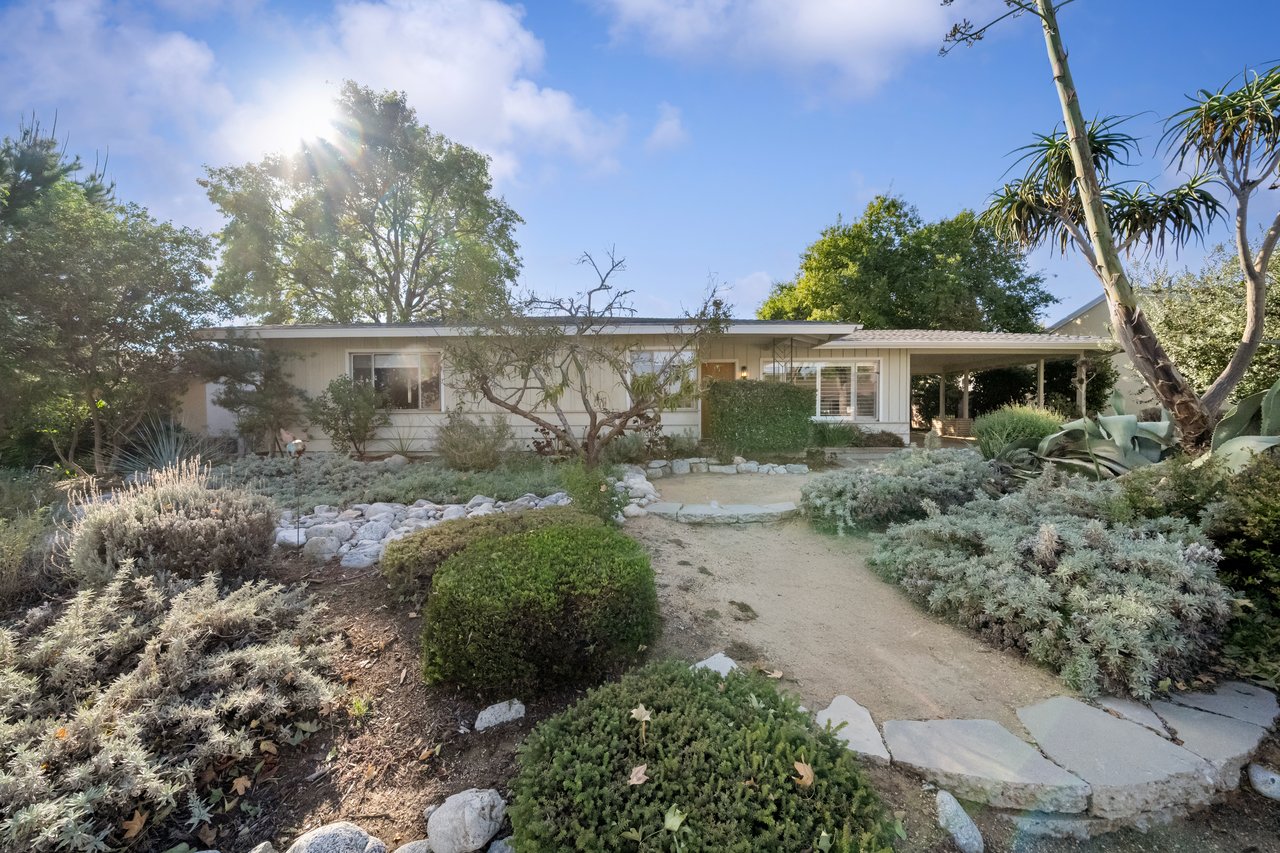
Offered at $824,000 | 4 Bedrooms | 2.5 Bathrooms | 2,249 Sq. Ft.

Seller's Guide
Real Estate Terms Explained
Seller's Guide
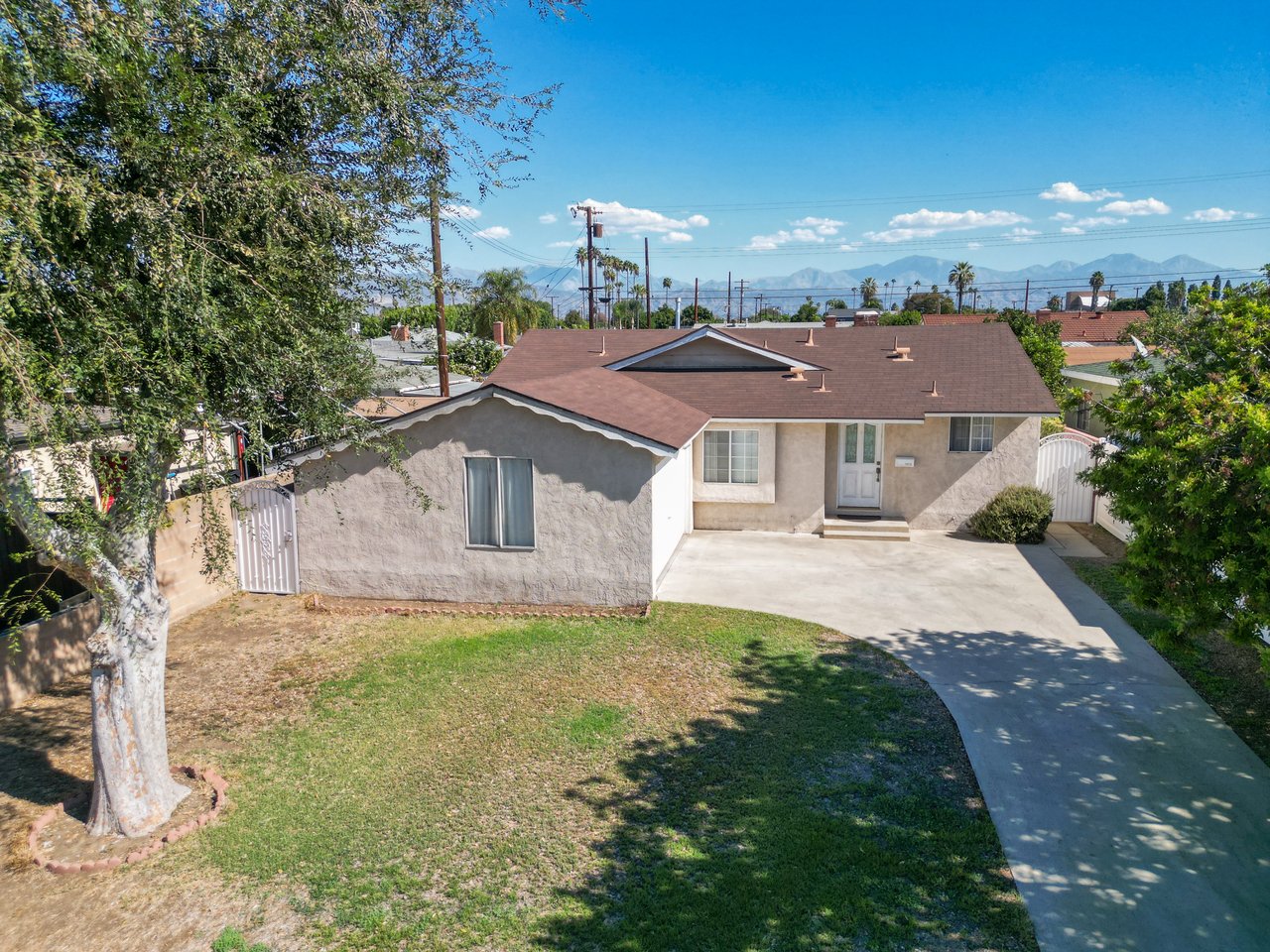
Charming Home with A Spacious Backyard in La Puente
New Listing
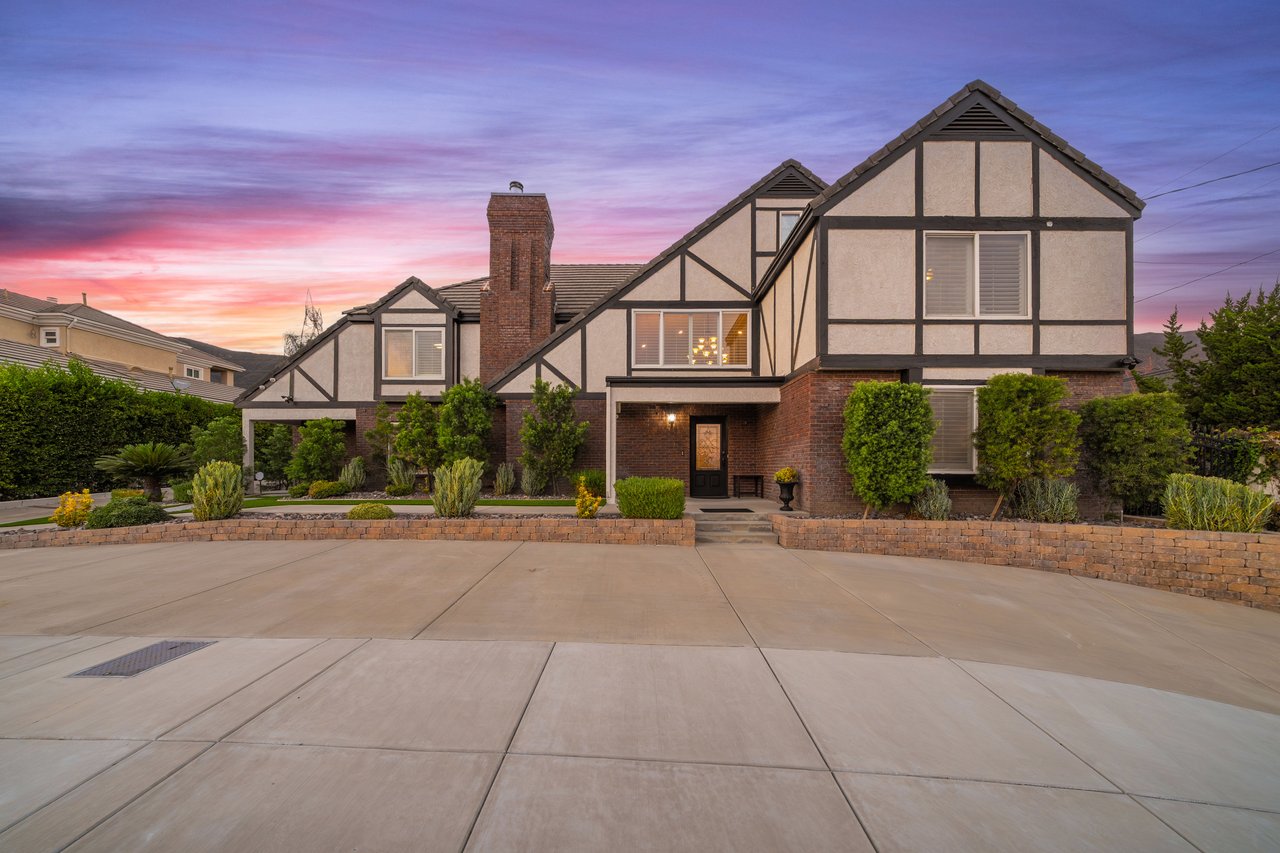
Custom-Built Home on One Acre in Rancho Cucamonga's Alta Loma Community
Our team is ready to handle every aspect of your transaction to facilitate the home buying, selling, commercial, or retail sale process. From the largest estate property to the first time buyer purchase, commercial real estate, and everything in between, we have the experience and knowledge to help.