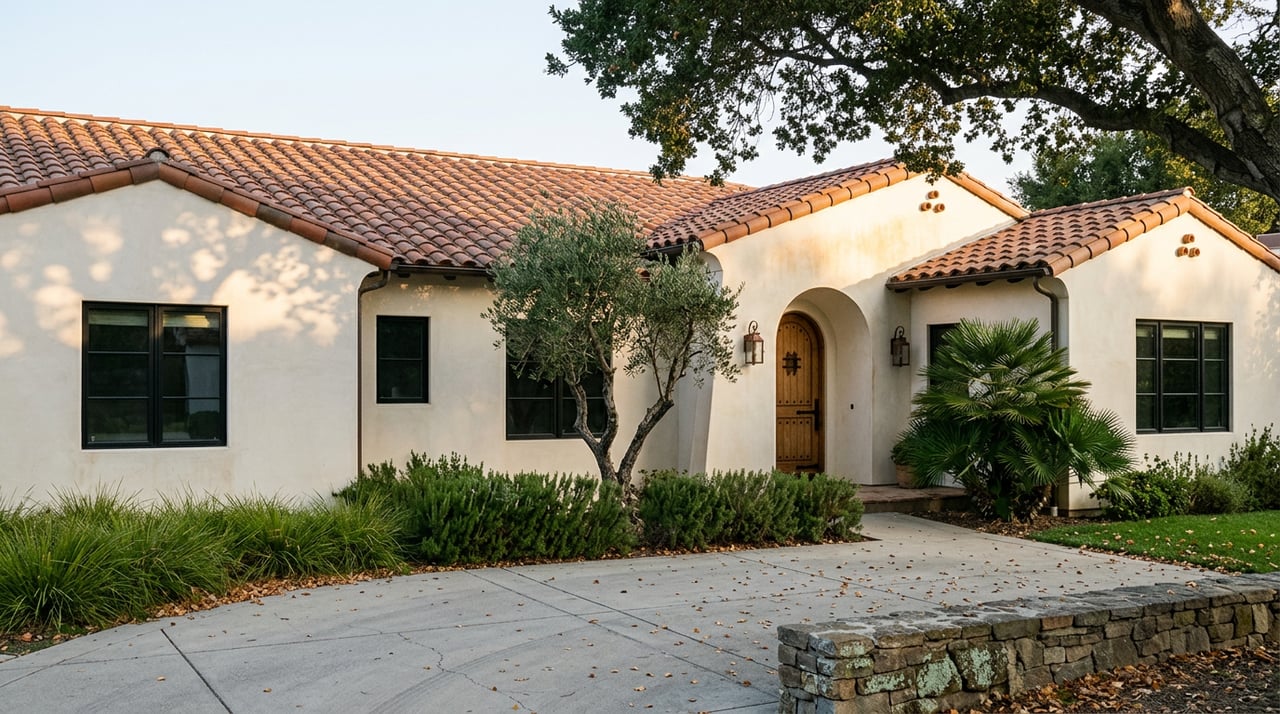
San Dimas Just Lost Its Wednesday Market and Half Its Lake in the Same Week
September 24, 2026
September 24, 2026
Drive down Bonita Avenue on a Wednesday evening this week and something is missing. No folding tables, no line at the tamale stand, no reason to circle the block twice looking for parking near City Hall. The San Dimas Farmers Market ran every Wednesday from 4 to 8:30 p.m. starting April 1, and its final Wednesday of the 2026 season landed on September 14. If you've lived here more than a summer, you already knew that was coming.
What you might not have connected is that Bonelli Park's swim beach shut down the same week. The lifeguarded sand beach on Puddingstone Reservoir posted its last open weekend for September 5 through 7, then closed for the season through May 21, 2026, sending anyone still craving a swim toward the East Shore instead. Two schedules, run by two completely different organizations that have nothing to do with each other, both went dark within seven days of each other. That's not a coincidence anyone planned. It's a pattern that shows up every year if you're paying attention, and it says more about how this town actually runs than any generic "fall is here" post ever will.
The market and the swim beach don't answer to the same calendar on paper. One is a city-supported vendor market that runs on volunteer labor and a spring-to-fall produce cycle. The other is a Los Angeles County-operated lifeguard station tied to staffing and liability windows. But line up their published hours and the overlap is hard to miss:
| What closed | Summer hours | Last weekend/day open | What's still running |
|---|---|---|---|
| San Dimas Farmers Market | Wednesdays, 4–8:30 p.m. | September 14, 2026 | Downtown storefronts pick up the Wednesday evening foot traffic |
| Bonelli Park Swim Beach | Sat/Sun/holidays, 11 a.m.–4:30 p.m. | September 5–7, 2026 | East Shore kayak and paddleboat kiosk, weekends through November 1 |
Neither closure is permanent. The market comes back in April. The swim beach reopens in late May. But for the next eight months, the two things that define a San Dimas summer both go quiet at once, and what fills the gap is worth knowing if you actually live here rather than just visit on holiday weekends.
Losing the swim beach sounds like losing the lake. It isn't. Puddingstone Reservoir, the 250-acre lake at the center of Frank G. Bonelli Regional Park, was built as a flood control basin behind a dam finished in 1928, and the water itself doesn't take a season off. What closes is the designated, lifeguarded sand beach on the north side. What keeps running is the Wheel Fun Rentals kiosk on the East Shore, which rents kayaks, pedal boats, and stand-up paddleboards on a schedule that stretches almost year-round: weekends from 11 a.m. to 5 p.m. through November 1, then shorter winter hours into February. If you want to be on the water in October, you're not shut out. You're just launching from a different shoreline than you did in July.
The boat launch tells a similar story. The lake operates Wednesday through Sunday, sunrise to a half hour before sunset, all year, with a detail that catches out-of-towners off guard: every boat entering the reservoir goes through a mandatory quagga mussel inspection, and power boats and personal watercraft alternate access on an odd-day, even-day schedule. That's not the kind of rule you'd find unless you'd actually launched a boat here, and it's the sort of thing that makes Bonelli feel less like a generic regional park and more like a place with its own operating logic.
None of this is new information if you fish or paddle here regularly. What's easy to miss is how neatly the water side of the park splits into a hard summer cutoff, the swim beach, and a soft year-round hum, the East Shore rentals and the boat launch. The lake isn't seasonal. Only one specific piece of it is.
The farmers market's disappearance leaves an actual gap on Bonita Avenue, but it doesn't leave downtown empty. Two small anchors, both within a short walk of where the market stalls used to sit, keep running straight through the months the market is dark. Judging By The Cover, the neighborhood bookstore and event space downtown, runs its book clubs and craft nights year-round, giving the Wednesday-evening habit somewhere to redirect once the produce stands come down. A few blocks over, the San Dimas Wine Shop & Tasting Room on West Bonita Avenue keeps its own weekend hours going regardless of what the market calendar says.
Both sit close to San Dimas Town Center, the shopping center built on the site of the old Puddingstone Shopping Center at the corner of Bonita and San Dimas Avenues, directly across from City Hall. Its anchors, an Albertsons, a CVS, a Dollar Tree, a Starbucks, are the kind of everyday businesses that don't get written up anywhere, but they're the reason downtown doesn't just fold up when the market leaves. The commercial core of this town was never dependent on one Wednesday event. The market was the loudest part of the week, not the only part.
Water gets the attention every summer because a lake photographs better than a bridle path. But San Dimas has more than 27 miles of equestrian trails woven through the city, a stat you won't find advertised anywhere near the lake, and those trails don't have a closing weekend. Neither does the city-owned San Dimas Canyon Golf Club, which tends to see more comfortable rounds once the summer heat backs off rather than fewer.
The clearest proof that this town's real identity runs equestrian, not aquatic, is the San Dimas Western Days Rodeo, a long-running PRCA event held off Horsethief Canyon Road and organized by a nonprofit that funds local scholarships. It's not a tourist add-on. It's the kind of institution that keeps going because the community around it keeps showing up, cowboy church on Sunday morning included. While the lake and the market both have hard stop dates printed on a schedule somewhere, the trail network and the western calendar don't work that way. They're just there, all year, getting more use exactly when the water side of town starts winding down.
Put it together and San Dimas in late September isn't a town going quiet. It's a town rerouting. The lake trades its lifeguarded beach for a quieter East Shore paddling scene. The Wednesday market hands its foot traffic to a bookstore and a wine shop that were doing fine without it. The trails and the golf course, which never had a summer rush to begin with, just get more comfortable to use. None of these transitions happen because someone planned a coordinated "fall season" for San Dimas. They happen because a county park schedule, a volunteer-run market calendar, and a handful of small businesses each run on their own logic, and this is the one week a year all three logics point the same direction at once.
If you've called this place home for a while, you've probably felt this shift without naming it. If you're newer to the neighborhood, September is as good a time as any to notice it. Either way, understanding how San Dimas actually moves through its year, not the version of it that shows up in a summer tourism blurb, is the kind of local knowledge that tends to matter later, whether that's knowing which weekends the trails get crowded or knowing why a house two blocks from Bonita Avenue holds its value differently than one out past the reservoir.
If you're ever curious what that kind of local knowledge means for your own home's value, or you just want a second opinion from people who actually watch this market year-round, The Mark & Al Team is easy to reach for a straightforward conversation, no pressure attached.
Stay up to date on the latest real estate trends.

Real Estate News
What Homeowners Should Know Before the Appraiser Arrives
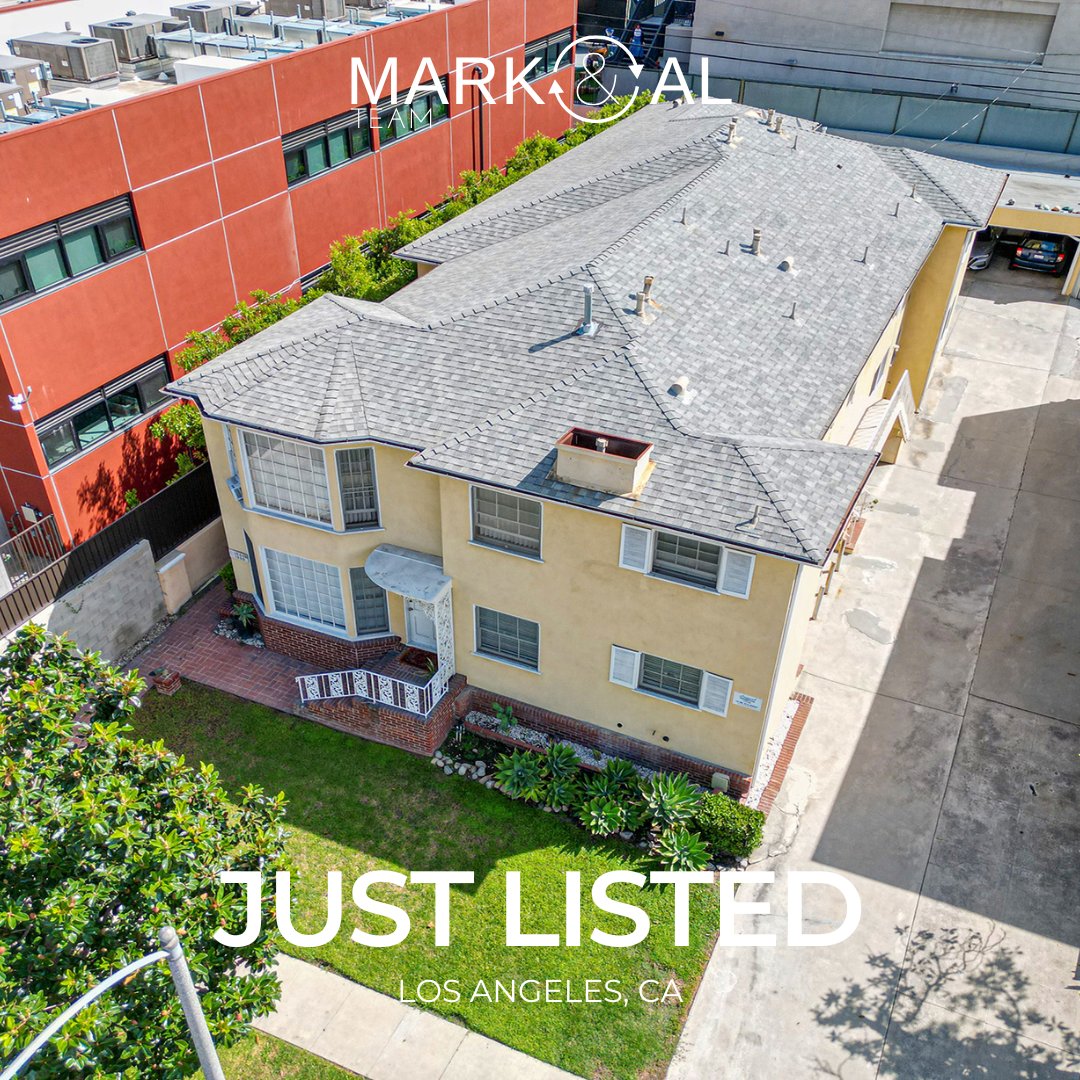
A Six-Unit Multifamily Investment Opportunity Near Beverly Hills
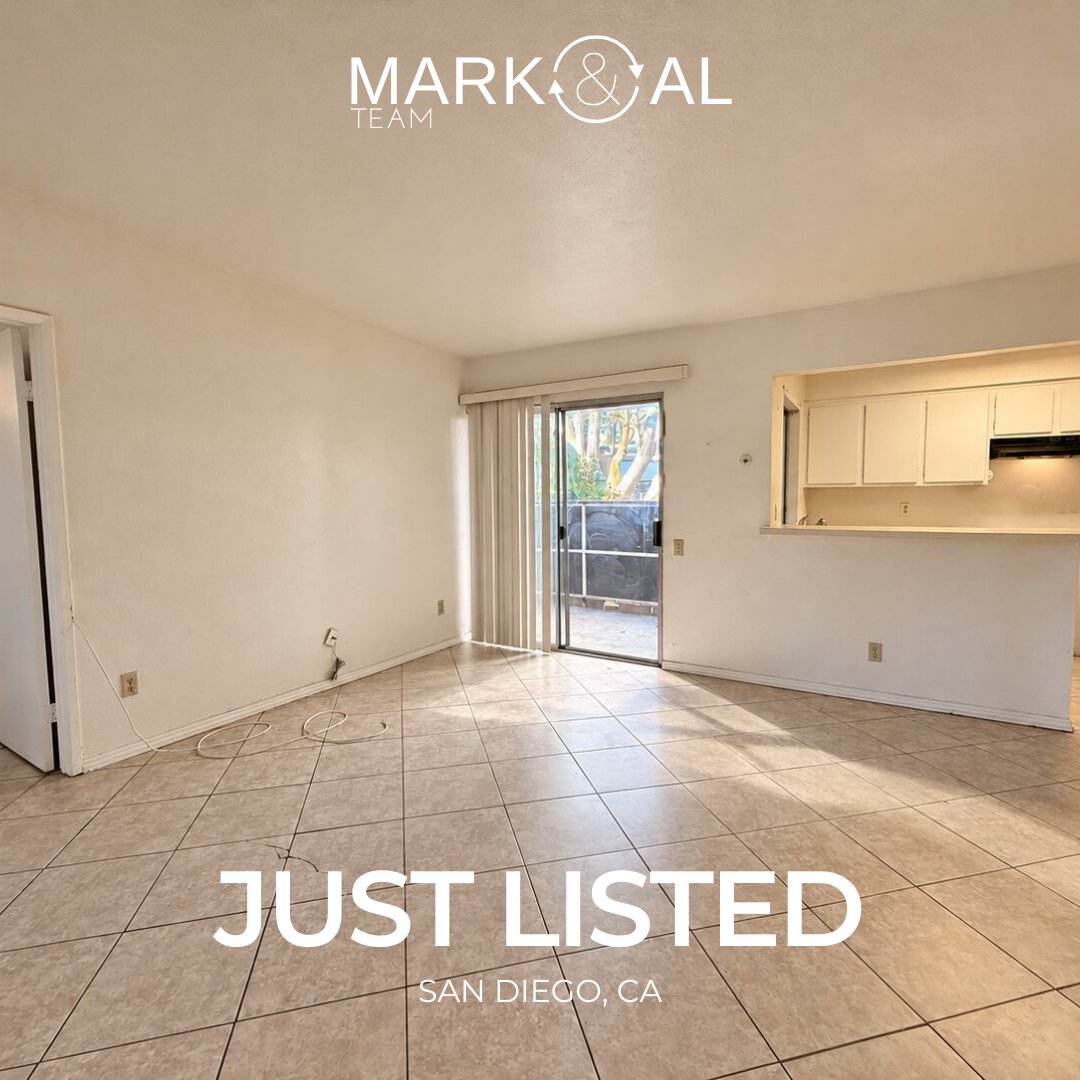
Just Listed in Mission Valley: A Ground-Floor Condo with Opportunity
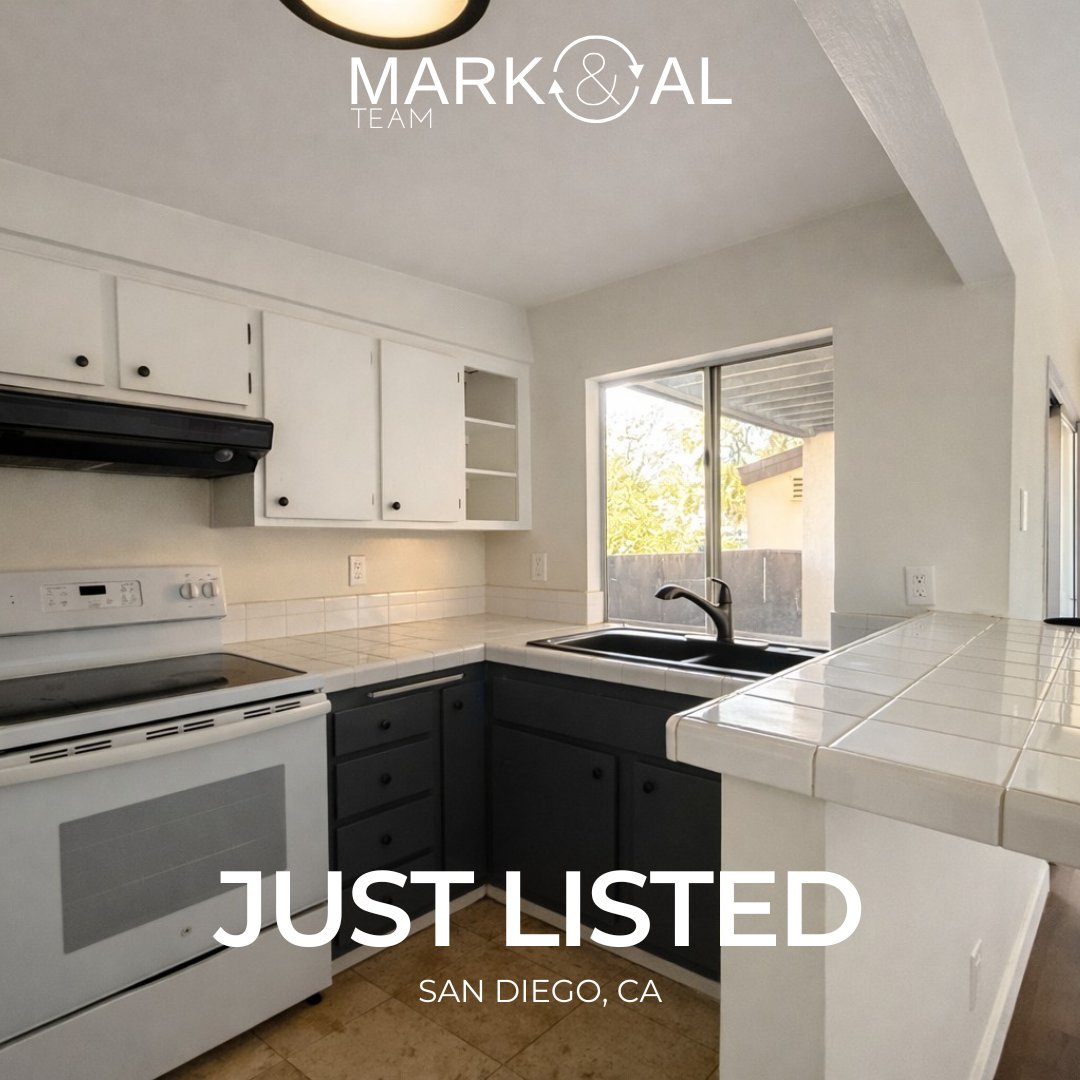
Just Listed in Mission Valley: A Ground-Floor Condo with Convenience and Potential

What sellers should know about selling a property that needs work before putting it on the market


Real Estate Terms Explained
A buyer's guide to evaluating price, value, and what a home is really worth
Our team is ready to handle every aspect of your transaction to facilitate the home buying, selling, commercial, or retail sale process. From the largest estate property to the first time buyer purchase, commercial real estate, and everything in between, we have the experience and knowledge to help.