
Selling a House in a Trust in California: What Trustees Need to Know
Seller's Guide Mark and Al Team October 23, 2026
Seller's Guide Mark and Al Team October 23, 2026
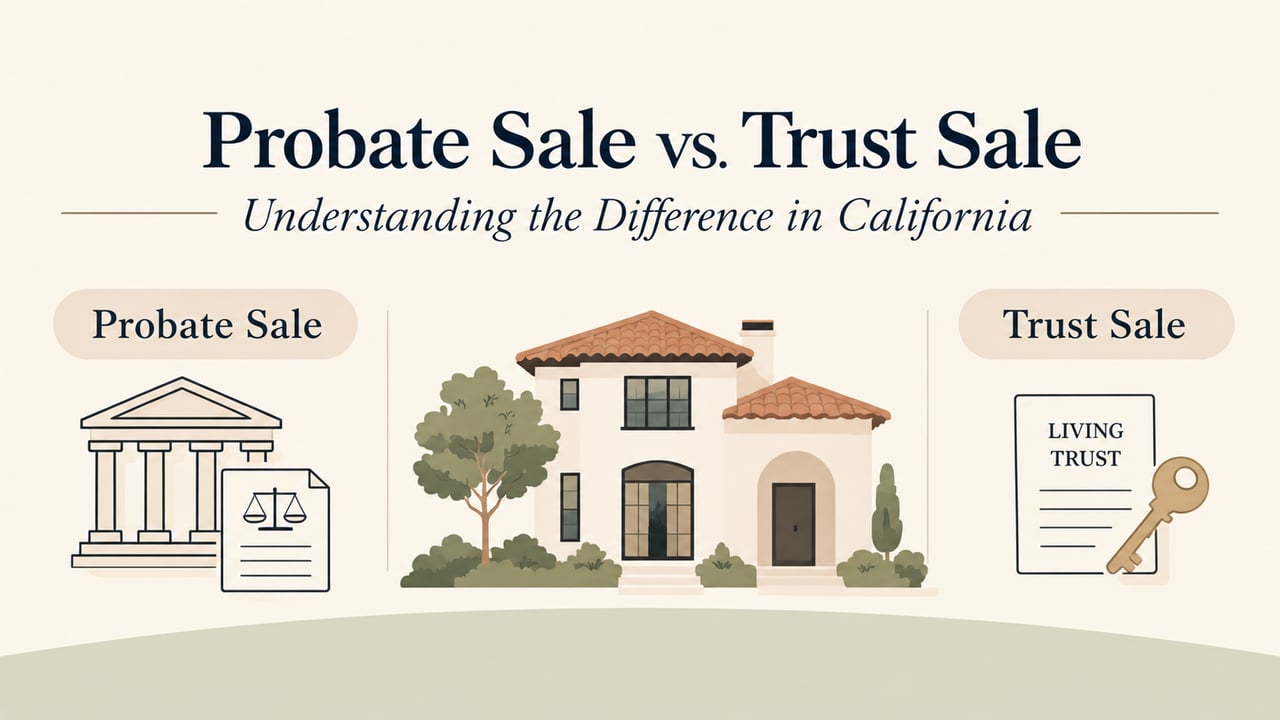
A California trustee usually can sell a house held in the trust without first obtaining a probate-court order. Probate Code sections 16200 and 16226 give trustees statutory powers, including the power to sell property, unless the trust limits them. The trust instrument still comes first, and every sale must satisfy the trustee’s fiduciary duties. Beneficiary approval is therefore not ordinarily a prerequisite, but the trust may require consent, co-trustees may have to act together, and a disputed or ambiguous sale may justify asking the probate court for instructions.
The biggest practical risks are often title, disclosures, valuation, tax basis and documentation. Trustees should confirm trust ownership and authority, establish market value, use experienced escrow/title professionals, satisfy applicable disclosures, pay liens through escrow, keep proceeds in the trust, and reserve for taxes and expenses before distributing. Trust terms vary, so this article provides general information rather than advice about a particular trust.
Authority, notice, and the probate boundary
Read the trust before listing. Section 16200 permits a trustee to act without court authorization using powers granted by the trust and statutory powers not limited by it; section 16226 expressly permits disposing of property by sale or exchange. But section 16000 requires administration according to the trust instrument, and section 16002 requires loyalty to the beneficiaries. In Stadel Art Museum v. Mulvihill (2023), the Court of Appeal reversed an order that displaced discretion the trust itself had given the trustee.
Beneficiaries generally do not have a veto simply because they oppose a sale; that follows from the trustee’s independent statutory powers, subject to the trust and fiduciary duties. Still, trustees should document why selling is appropriate and why the price and terms are prudent. Unless the trust provides otherwise, co-trustees act unanimously. If authority is unclear or a dispute threatens the transaction, Probate Code section 17200 allows a trustee or beneficiary to seek construction of the trust or court instructions. Godoy v. Linzner (2024) also illustrates that trust language matters, although an unreasonable restraint on selling real property can be void.
When a revocable trust becomes irrevocable because of a settlor’s death, Probate Code section 16061.7 generally requires notice to beneficiaries and heirs within 60 days of the triggering event, subject to the statute’s detailed rules. That is trust-administration notice, not a request for beneficiary approval of the house sale. Trustees nevertheless have duties to keep beneficiaries reasonably informed, making clear communication about a major sale good risk management.
Executors in probate follow different rules. Under California’s Independent Administration of Estates Act, qualifying sales may proceed without a confirmation hearing through the Notice of Proposed Action process; Judicial Council Form DE-165 expressly warns that a sale without court supervision will not be presented for confirmation. When court confirmation is required, Probate Code section 10309 generally requires an offer of at least 90% of a qualifying appraisal dated within one year of the confirmation hearing. These probate-sale requirements should not automatically be applied to property validly held in a living trust.
Listing, disclosures, escrow, and title
Before marketing, confirm the recorded deed, trustee succession and signature rules; protect and insure the property; obtain a date-of-death appraisal when tax basis matters; and obtain a current market analysis or appraisal. Reasonable market exposure helps a trustee demonstrate that the sale was prudent. For a sale to a beneficiary, relative or trustee-connected party, independent valuation and legal advice are especially important because trustees must act for beneficiaries rather than for personal advantage.
California’s disclosure rules contain an important trap. The ordinary Transfer Disclosure Statement (TDS) is generally exempt for a fiduciary sale made in the course of trust administration. But Civil Code section 1102.2(d) removes that exemption where a natural-person trustee of a revocable trust is a former owner or occupied the property within the preceding year. The Natural Hazard Disclosure rules contain a closely parallel fiduciary exemption and exception in Civil Code section 1103.1. A form exemption does not authorize fraud, misrepresentation or concealment of known material facts.
Federal lead-based-paint law is separate. For most pre-1978 housing, sellers must disclose known lead hazards, provide available records and the EPA/HUD information pamphlet, and provide the required opportunity for an inspection or risk assessment before the buyer becomes bound. Other California and local disclosures can also apply, so trustees should not assume that “trust sale” means “no disclosures.”
Open title and escrow early. A certification of trust under Probate Code section 18100.5 can establish matters such as the trust’s existence, trustee identity, powers and signature authority without disclosing all distribution provisions. Escrow/title may also need documents proving a successor trustee’s authority. If the deed never placed the house in the trust, closing can stall until ownership is resolved; Ukkestad v. RBS Asset Finance (2015) illustrates the use of probate proceedings to confirm real property as a trust asset in appropriate circumstances.
Read trust & verify title
Authority & notices
Value, prepare, list
Offer & disclosures
Escrow, payoff & tax forms
Close to trust
Reserve, account & distribute
Show code
At closing, escrow ordinarily coordinates payoff information for mortgages and liens. Net proceeds should be deposited to the trust rather than mixed with the trustee’s personal funds. Before making beneficiary distributions, trustees should retain an appropriate reserve for taxes, expenses and unresolved obligations, provide required information or accounting, and then distribute according to the trust.
Tax consequences and trust type
Capital gain depends heavily on basis. Property acquired from a decedent generally receives a basis tied to fair market value at death—or an applicable alternate valuation—under Internal Revenue Code section 1014. Thus, a sale relatively close to the date-of-death value may produce comparatively little gain. Property transferred during life to an irrevocable trust may have different rules, including carryover basis. IRS Revenue Ruling 2023-2 confirms that assets in an irrevocable grantor trust not included in the deceased grantor’s gross estate do not receive a section 1014 basis adjustment merely because the trust was a grantor trust.
Issue | Revocable trust while settlor is alive | Irrevocable trust / post-death trust |
Authority | Trust terms control; statutory sale power ordinarily applies unless limited. | Same statutory framework, but restrictions and beneficiary rights may become more significant. |
Income tax | A revocable trust is a grantor trust; income and gain are generally reported by the grantor. | An irrevocable trust can be grantor or nongrantor; who reports the gain depends on its tax status and distributions. |
Basis at death | Assets acquired from a deceased settlor commonly qualify for a §1014 adjustment. | Not automatic; estate inclusion and other §1014 rules matter. |
Court involvement | Usually unnecessary for an authorized sale. | Also usually unnecessary, but disputes, unclear terms or title defects may require a petition. |
California real-estate withholding is also a closing issue. The Franchise Tax Board says withholding generally applies when a trust sells California real property unless an exemption on Form 593 applies. For a grantor trust, the grantor reports the sale and claims the withholding; a nongrantor trust uses the trust’s information. Withholding is a tax prepayment, not necessarily the final tax liability.
A 1031 exchange is potentially available only for qualifying real property held for investment or productive use in a trade or business and exchanged for like-kind real property. A personal-use residence and property held primarily for sale do not qualify. Because a deferred exchange must be structured rather than simply selling and later reinvesting the cash, trustees considering one should involve a tax adviser and qualified intermediary before closing.
Timing, pitfalls, and risk reduction
Common mistakes include ignoring restrictive trust language; having only one co-trustee sign when unanimity is required; accepting a below-market family offer without independent support; assuming every fiduciary sale is exempt from TDS and natural-hazard requirements; missing federal lead-paint duties; discovering late that title is outside the trust; distributing all cash before tax obligations are known; and assuming that every irrevocable trust either does—or does not—receive a basis step-up. Written records of the trust provisions, valuation, marketing, offer selection, disclosures, escrow, tax advice and beneficiary communications are the trustee’s best practical defense.
The section 16061.7 trust-contest notice period does not itself make every sale court-supervised, but final distribution deserves caution while material disputes, taxes or title issues remain unresolved. A family buyer, beneficiary objection, uncertain authority, unusual tax posture or missing deed is a strong reason to obtain California trust, real-estate and tax advice before signing a binding transaction.
Trustee checklist
If you're selling a house held in a trust in Glendora, La Verne, San Dimas, Covina, West Covina, or nearby San Gabriel Valley communities, understanding the California trust sale process can help you prepare for a smoother transaction. The Mark & Al Team brings over 40 years of local real estate experience to help homeowners navigate the selling process, from determining a property's market value to coordinating with title and escrow companies. Whether you're a trustee or a beneficiary, our team can provide guidance on the real estate side of the transaction while working alongside your legal and tax professionals.
Disclaimer: This article is for general informational purposes only and does not constitute legal, tax, or financial advice. Real estate laws, regulations, and market conditions may change, and individual circumstances may vary. Please consult a qualified attorney, tax professional, or other appropriate advisor regarding your specific situation.
Stay up to date on the latest real estate trends.
Seller's Guide

Real Estate Terms Explained

Seller's Guide
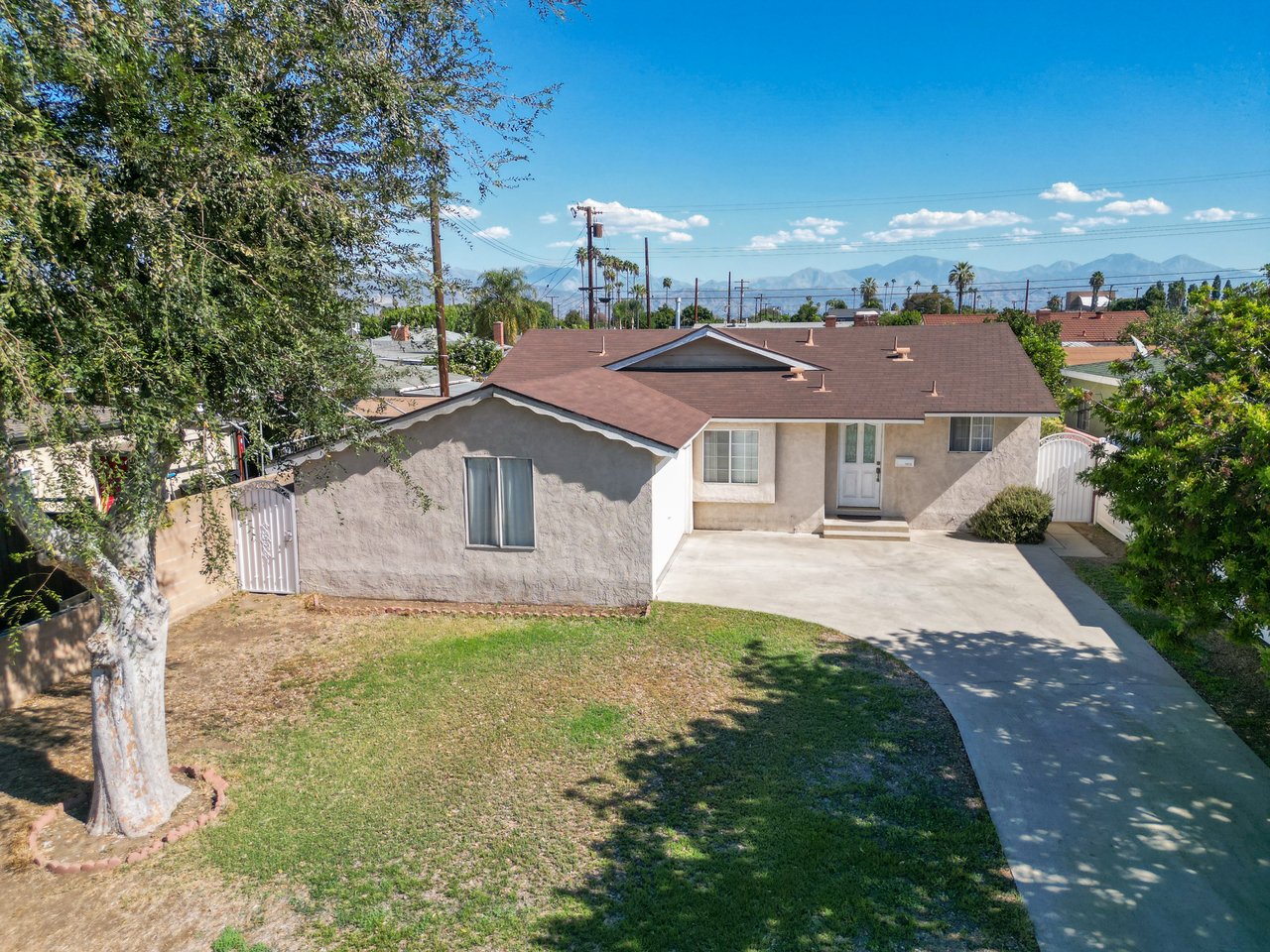
Charming Home with A Spacious Backyard in La Puente
New Listing
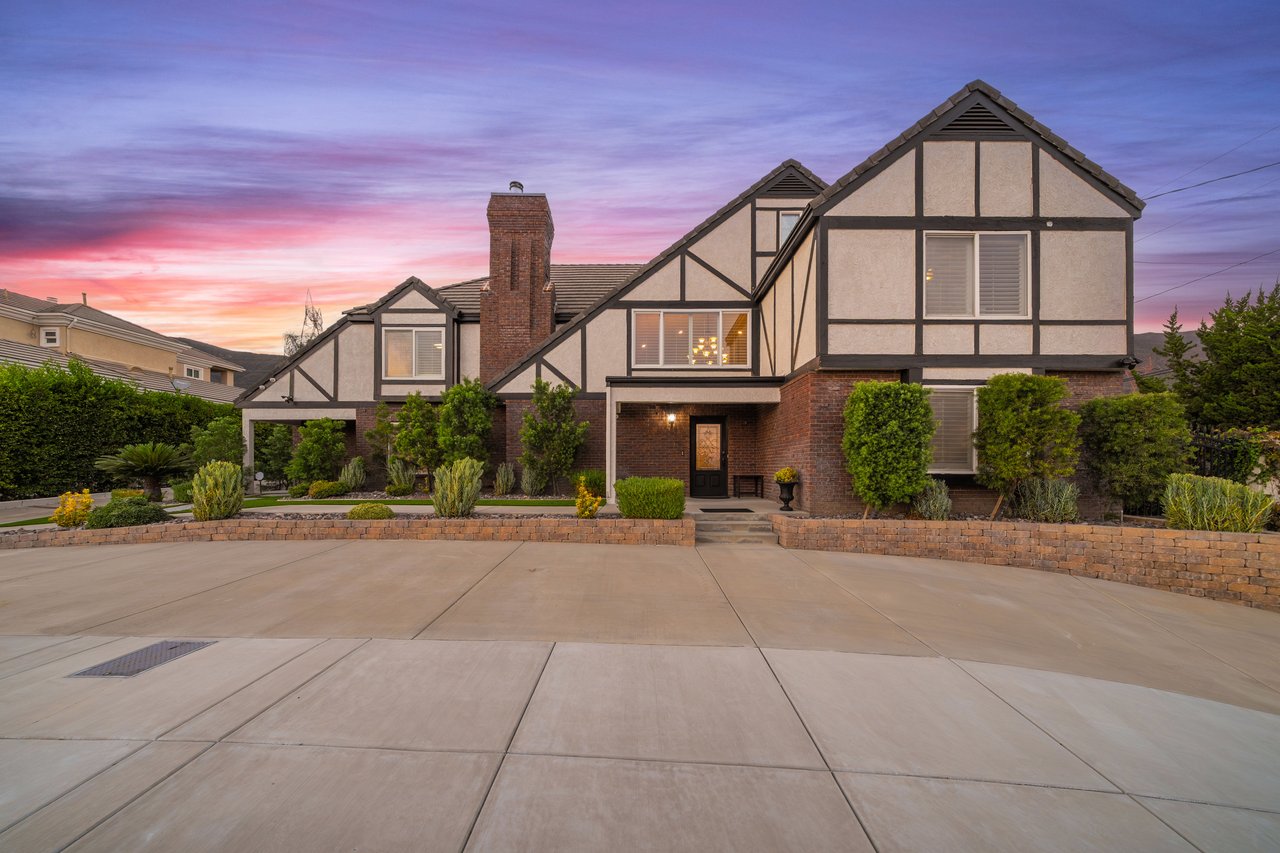
Custom-Built Home on One Acre in Rancho Cucamonga's Alta Loma Community

Our team is ready to handle every aspect of your transaction to facilitate the home buying, selling, commercial, or retail sale process. From the largest estate property to the first time buyer purchase, commercial real estate, and everything in between, we have the experience and knowledge to help.