
How to Prepare Your Home for a Professional Appraisal
Real Estate News The Mark & Al Team September 23, 2026
Real Estate News The Mark & Al Team September 23, 2026
A professional home appraisal can play an important role in a real estate transaction. Whether you're selling your home, refinancing, or completing another type of property transaction, an appraisal provides an independent opinion of the property's market value.
While homeowners cannot control the final appraised value, there are practical steps you can take to make sure your property is presented accurately and that the appraiser has access to the information needed to evaluate the home.
Preparing for an appraisal isn't about making your home look like a model home or completing expensive renovations at the last minute. Instead, it's about making sure the property is clean, accessible, well-maintained, and that its improvements and features can be properly documented.
Here are some practical ways to prepare.
A home appraisal is an independent assessment of a property's value based on factors such as its location, physical characteristics, condition, and comparable properties.
An appraiser may consider:
An appraisal is different from a home inspection. An inspection generally focuses on the condition and functionality of the property, while an appraisal focuses primarily on value.
A messy home doesn't automatically result in a lower appraisal. However, presenting a clean and organized property makes it easier for the appraiser to inspect the home and observe its features.
Before the appointment, consider:
The goal isn't perfection. It's simply to make the home's condition and features easy to see.
Before the appraisal, take care of obvious maintenance issues that you've been putting off.
Examples include:
You don't necessarily need to complete a major renovation. Addressing noticeable maintenance problems can help ensure the property is accurately represented.
An appraiser needs to be able to evaluate the property thoroughly.
Make sure they can access:
Move boxes, furniture, or other items that may prevent access to important areas.
If there are locked rooms, gates, garages, sheds, or other areas the appraiser needs to inspect, make sure they can be accessed during the appointment.
One of the most useful things a homeowner can do is prepare a list of significant improvements made to the property.
Consider documenting:
Include approximate dates and, when available, documentation such as receipts, permits, warranties, or contractor information.
Don't assume the appraiser will automatically know everything that has been done to the property.
If you have completed additions, conversions, renovations, or other improvements that required permits, gather the relevant documentation.
This can be particularly important for improvements that may not be obvious from simply looking at the property.
Examples can include:
If you're unsure whether a particular improvement was permitted, don't make assumptions. Appropriate professionals or the local jurisdiction may be able to help verify permitting information.
Some valuable property features aren't necessarily visible from the main living areas.
For example:
Providing a concise list of these improvements can help ensure the appraiser is aware of them.
The exterior is part of the property too.
Before the appraisal, consider:
Again, the objective isn't to spend thousands of dollars on landscaping. Basic maintenance can simply make the property easier to evaluate.
One of the biggest mistakes homeowners can make before an appraisal is assuming that every renovation will automatically increase value by more than it costs.
If you're preparing specifically for an appraisal, avoid making major improvements simply because you believe they'll guarantee a higher valuation.
Instead, consider:
If you're selling your home, discuss major improvements with your real estate professional before spending significant money.
Comparable properties, often called "comps," are an important part of determining market value.
An appraiser may look at recently sold properties that are similar in relevant ways, including:
Not every nearby property is necessarily a good comparable.
For sellers, understanding recent comparable sales before the appraisal can provide useful context about how the property is positioned within the market.
If you have documentation that provides useful information about the property, have it organized and available.
A simple property information sheet could include:
Property Improvements
Major Systems
Additional Features
Keep the information factual and concise.
It's understandable to want the highest possible valuation, especially when you're selling a home.
However, homeowners should focus on providing accurate information rather than trying to tell the appraiser what the property should be worth.
The appraiser's role is to independently evaluate the property.
Your job is simply to make sure the property is accessible, well-presented, and accurately documented.
A lower-than-expected appraisal doesn't necessarily mean the transaction is over.
Depending on the circumstances, possible next steps may include:
The appropriate response depends on the transaction and the terms of the agreement.
If you're involved in a purchase or sale where the appraisal becomes an issue, your real estate professional can help you understand the available options.
If you're preparing to sell your home, don't wait until the appraisal appointment to think about the property's condition.
A better approach is to prepare the home before it goes on the market.
This can include:
Good preparation can benefit both the marketing process and the appraisal process.
Whether you're preparing a property in Glendora, Covina, West Covina, San Dimas, La Verne, Azusa, Pasadena, Walnut, Monrovia, or a surrounding community, the same basic principle applies: make sure the appraiser has an accurate understanding of the property.
Every home is different. Location, condition, improvements, lot characteristics, property type, and comparable sales can all affect how a property is evaluated.
That's why preparation should be specific to the individual home rather than based on a one-size-fits-all checklist.
You don't need to completely remodel your home to prepare for a professional appraisal.
Instead, focus on the things you can control:
An appraisal is ultimately an independent professional valuation, and there is no way to guarantee a particular result. However, making sure the property is properly prepared and accurately documented can help the appraiser evaluate what your home actually has to offer.
If you're thinking about selling your home and want to understand how your property may be positioned in the current market, The Mark & Al Team can help you evaluate the property, review comparable sales, and develop a thoughtful selling strategy.
Call The Mark & Al Team at 626-335-6000 to discuss your home-selling options.
Stay up to date on the latest real estate trends.

Real Estate Terms Explained

Seller's Guide
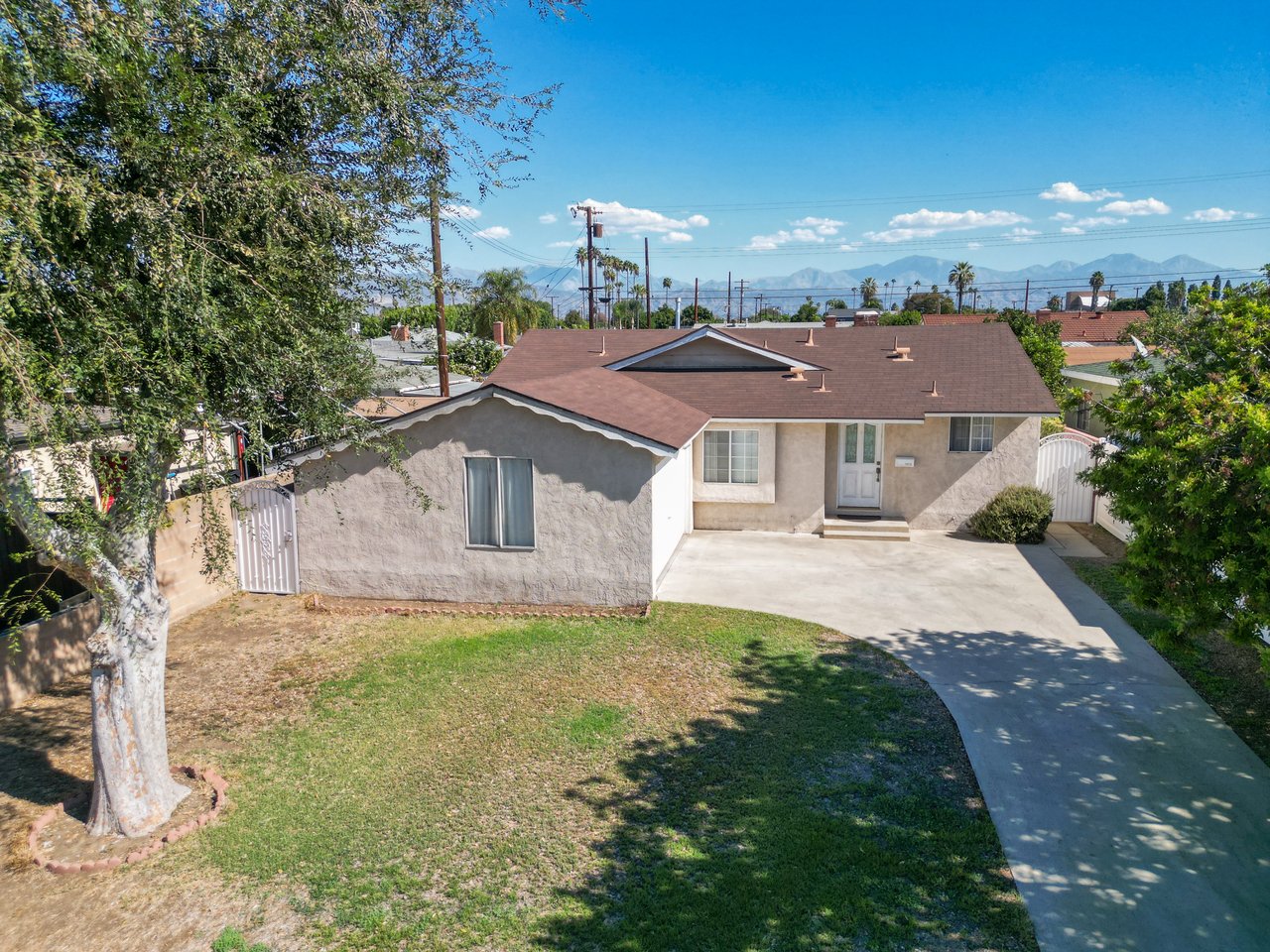
Charming Home with A Spacious Backyard in La Puente

New Listing
Custom-Built Home on One Acre in Rancho Cucamonga's Alta Loma Community


Seller's Guide
Our team is ready to handle every aspect of your transaction to facilitate the home buying, selling, commercial, or retail sale process. From the largest estate property to the first time buyer purchase, commercial real estate, and everything in between, we have the experience and knowledge to help.