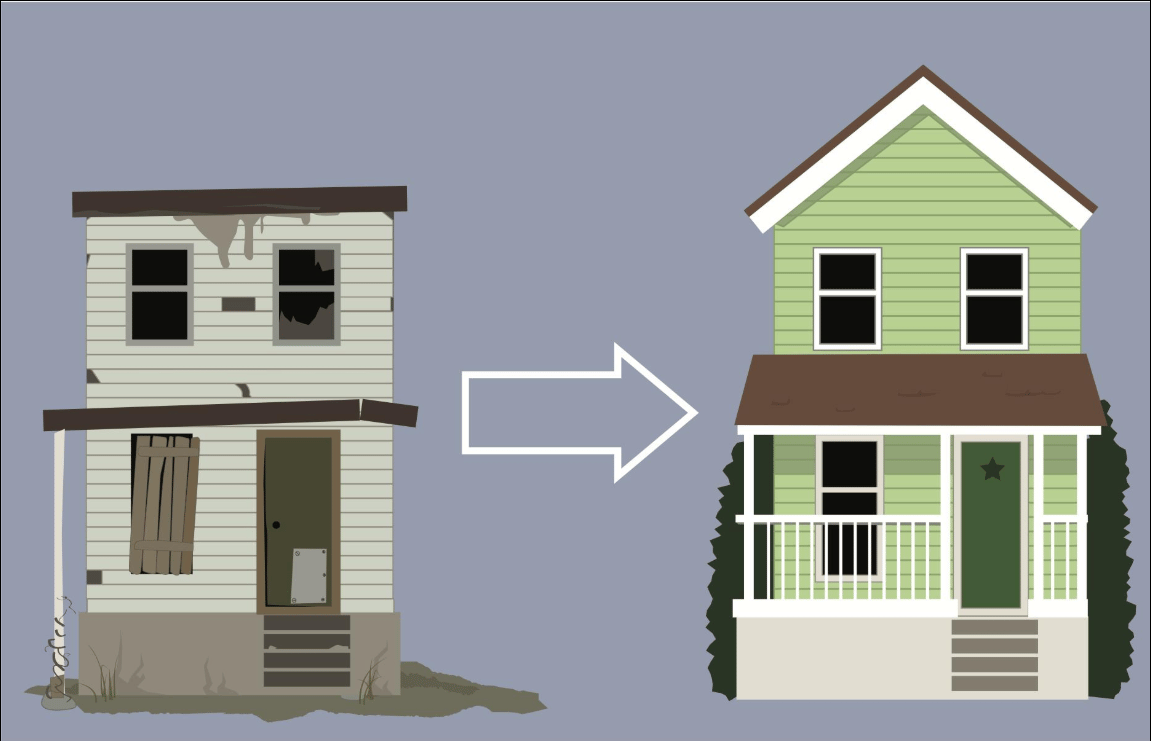
How to Sell a Home That Needs Major Repairs
September 18, 2026
September 18, 2026
Selling a home that needs major repairs can feel overwhelming. You may know that the roof needs attention, the kitchen is dated, the plumbing needs work, or the property requires significant updating—and you may wonder whether you should fix everything before selling.
The good news is that you don't necessarily have to renovate your entire home before putting it on the market.
There are several ways to approach a property that needs work. Depending on your goals, budget, timeline, and the condition of the home, you may choose to make strategic repairs, sell the property as-is, or complete improvements that can help make the home more appealing to buyers.
Whether you're selling in Glendora, Covina, West Covina, San Dimas, La Verne, Azusa, or a surrounding community, understanding your options can help you make a more informed decision.
Before deciding what to repair, take an honest look at the home.
Major issues may include:
Not every issue needs to be addressed before selling.
The first step is determining which problems could significantly affect the home's marketability, financing, safety, or value.
One of the biggest mistakes sellers can make is immediately starting a major renovation without understanding whether they'll recover the cost.
Before spending thousands of dollars, consider getting input from your real estate professional about:
The goal is to determine whether making repairs makes financial sense.
Selling a home as-is means the seller is generally offering the property in its current condition rather than agreeing to make extensive improvements before the sale.
This can be an attractive option for sellers who:
Selling as-is doesn't necessarily mean the property can't attract buyers.
Investors, contractors, renovation-minded buyers, and buyers looking for an opportunity may be interested in properties that need work.
One important distinction sellers should understand is that selling a property as-is does not generally eliminate disclosure responsibilities.
Sellers may still have obligations to disclose known material facts about the property.
Because disclosure requirements can be specific to the property and transaction, sellers should work with their real estate professional and appropriate legal professionals when necessary to understand their responsibilities.
Being transparent can help prevent misunderstandings later in the transaction.
If you decide to make improvements, start with issues that could have the greatest impact.
Depending on the property, these could include:
Addressing major concerns may make the property easier to market and can potentially reduce obstacles during the buyer's inspection or financing process.
A home needing repairs doesn't necessarily need a complete transformation.
For example, you may not need to install an entirely new kitchen if the existing kitchen is functional but dated.
Instead, consider whether smaller improvements can make a meaningful difference:
The goal is to spend money where it can have the greatest impact.
The condition of a property can affect what financing options may be available to potential buyers.
Certain property conditions may create challenges depending on the buyer's loan program and lender requirements.
For that reason, sellers should discuss significant property defects with their real estate professional before deciding how to market the home.
A property that needs work may still be financeable, but the specific condition and buyer's financing situation matter.
Pricing is especially important when selling a home that needs major repairs.
You shouldn't necessarily compare your property directly with a completely renovated home and expect the same value.
Instead, consider:
A realistic price can help attract buyers who understand the property's condition.
Even if you disclose known issues before listing, the buyer may still conduct a home inspection.
The inspection could identify additional concerns.
Depending on the purchase agreement and circumstances, the buyer may potentially:
It's important to understand that inspection negotiations are part of many real estate transactions.
A home needing repairs still has valuable features.
Don't allow the property's challenges to overshadow its strengths.
Your marketing can highlight features such as:
Buyers need to understand both the work required and the potential of the property.
Selling as-is can save you the upfront cost of renovations, but that doesn't necessarily mean it is always the most profitable strategy.
A home that needs significant work may attract lower offers because buyers are factoring renovation costs and risk into their purchase decisions.
That's why sellers should compare the potential outcomes:
Option A: Sell as-is.
Option B: Make strategic repairs.
Option C: Complete a larger renovation.
The best option depends on your property, finances, timeline, and current market.
Even if your home needs significant repairs, presentation still matters.
A clean and organized property can make it easier for buyers to see the home's potential.
Before listing, consider:
You don't necessarily need a perfect home—you want buyers to be able to see the opportunity.
Inherited properties are a common situation where sellers may face major repairs.
An inherited home may have:
In these situations, sellers may have several options, including making improvements, selling as-is, or exploring other strategies based on their circumstances.
Before making major decisions, it's important to understand the property's condition, market value, and any applicable ownership or estate considerations.
A useful way to approach the decision is to ask three questions:
Get realistic estimates before committing to a project.
Not every dollar spent will translate into an equal increase in sale price.
Would buyers still be interested? Could the issue create financing challenges? Would it significantly affect negotiations?
Answering these questions can help you prioritize your spending.
The best strategy for selling a home that needs repairs depends heavily on the property and current market conditions.
Whether you're selling in Glendora, Covina, West Covina, San Dimas, La Verne, Azusa, or a surrounding community, recent comparable sales and competing listings can help provide context for determining whether repairs or an as-is strategy makes more sense.
There isn't a one-size-fits-all answer.
A property that needs $20,000 in work may require a very different strategy from one that needs $100,000 or more.
Selling a home that needs major repairs doesn't mean you have to take on a massive renovation.
The right strategy may be to make a few targeted improvements, sell the property as-is, or complete a larger renovation depending on the circumstances.
Before spending money, understand the property's condition, research comparable sales, consider the potential return on improvements, and determine what makes sense for your timeline and goals.
Most importantly, don't assume that every problem needs to be fixed before selling.
Whether you're selling in Glendora, Covina, West Covina, San Dimas, La Verne, Azusa, or a surrounding community, an experienced real estate professional can help you evaluate your options and create a selling strategy that fits your property.
Stay up to date on the latest real estate trends.
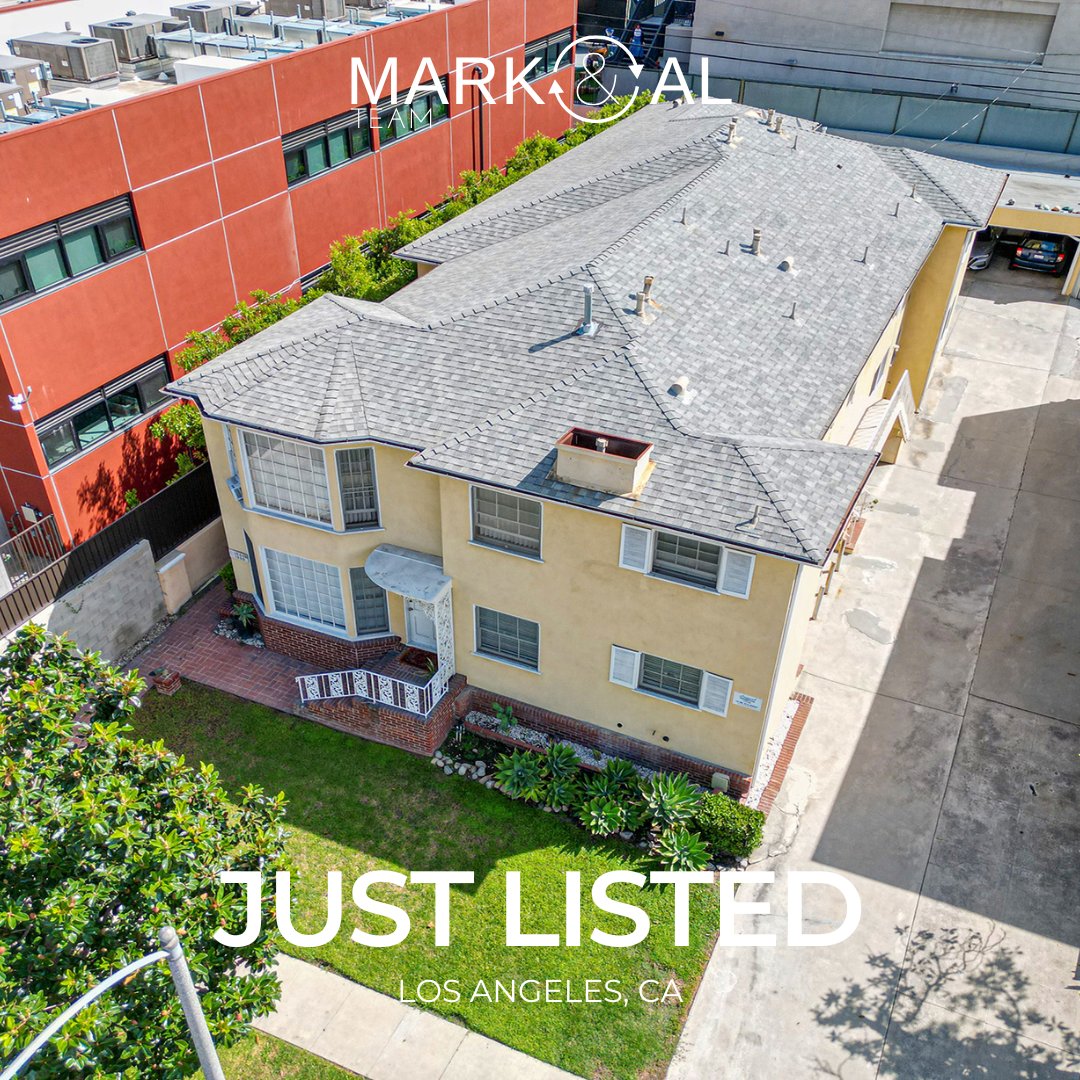
A Six-Unit Multifamily Investment Opportunity Near Beverly Hills
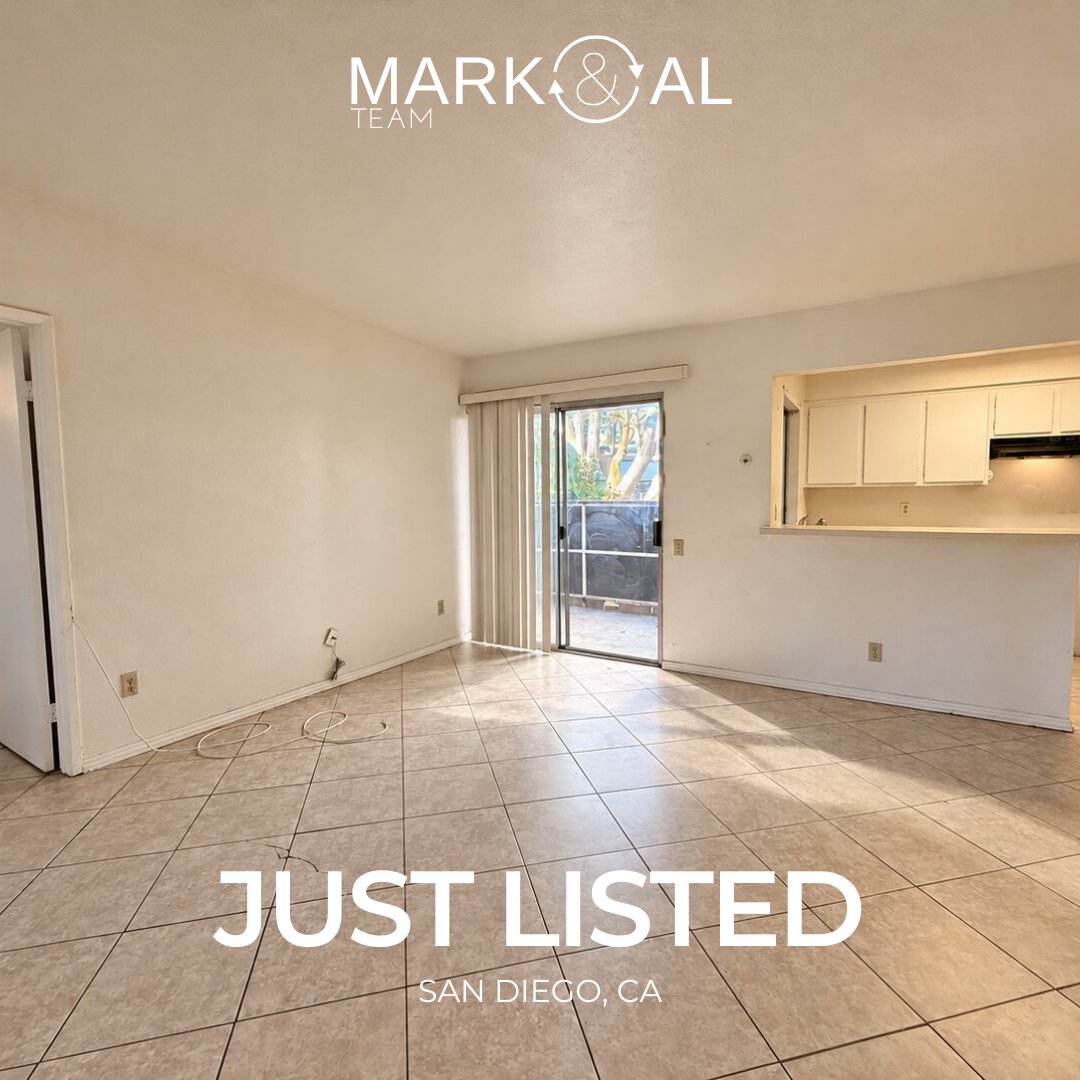
Just Listed in Mission Valley: A Ground-Floor Condo with Opportunity

Just Listed in Mission Valley: A Ground-Floor Condo with Convenience and Potential
What sellers should know about selling a property that needs work before putting it on the market



Real Estate Terms Explained
A buyer's guide to evaluating price, value, and what a home is really worth

Real Estate News
Simple updates that can help your home feel fresh, modern, and move-in ready
Our team is ready to handle every aspect of your transaction to facilitate the home buying, selling, commercial, or retail sale process. From the largest estate property to the first time buyer purchase, commercial real estate, and everything in between, we have the experience and knowledge to help.