
How Can You Tell If a Home Is Priced Fairly?
Real Estate Terms Explained The Mark & Al Team September 3, 2026
Real Estate Terms Explained The Mark & Al Team September 3, 2026
When you're shopping for a home, one of the biggest questions you'll face is simple: Is this home actually priced fairly?
A listing price can give you a starting point, but it doesn't necessarily tell you what a home is worth. Two similar-looking homes can sell for very different amounts depending on their condition, location, upgrades, size, lot, and current market conditions.
For buyers, learning how to evaluate a home's price can help you make a more informed offer and avoid relying solely on a listing price.
Whether you're looking in Glendora, Covina, West Covina, San Dimas, La Verne, Azusa, or a surrounding community, here are some of the most important things to consider when deciding whether a home is fairly priced.
One of the best places to start is by looking at comparable sales, often called "comps."
These are recently sold homes that are similar to the property you're considering.
A useful comparison may consider:
The important word is recent. A home that sold several years ago may not accurately reflect today's market.
Recently sold homes tell you what buyers have actually paid, but active listings can show you what you're competing against.
Look at homes currently on the market that are similar in:
If several comparable homes are listed for substantially less, you may want to investigate why.
On the other hand, if similar homes are priced higher, that doesn't automatically mean the property you're considering is a bargain. The differences between the properties matter.
A home's condition can have a significant effect on its value.
Two homes with similar square footage may have very different values if one has been extensively updated while the other needs substantial work.
Pay attention to:
A lower-priced home isn't necessarily a better deal if it requires tens of thousands of dollars in repairs.
It's easy to get distracted by beautiful finishes.
New countertops, fresh paint, modern flooring, and updated fixtures can make a home look impressive, but buyers should also consider the property's less visible components.
Ask about the age and condition of major systems.
For example:
A beautifully remodeled kitchen doesn't necessarily mean the roof or HVAC system is new.
Understanding both the visible and behind-the-scenes condition of the property can give you a better idea of its overall value.
The land itself can have a meaningful impact on value.
Consider:
A home with the same interior square footage as another property may have a different value because of its lot and exterior features.
When researching comparable properties, it can be tempting to find the highest recent sale and assume that's what the home you're considering should be worth.
That's not necessarily accurate.
A higher sale price may have been justified by:
Comparables need to be adjusted for meaningful differences.
Days on market can provide useful context.
A home that has just been listed may not have much history to analyze.
But if a property has been sitting for an extended period, it may be worth asking why.
Possible reasons include:
A long time on the market doesn't automatically mean something is wrong with the home. It simply means there's more information worth considering.
Look at the property's listing history when available.
Has the seller:
Price changes can provide context about how the property has performed in the market.
For example, a recent price reduction could indicate that the original asking price wasn't attracting enough buyer interest.
The purchase price is only part of the financial picture.
Before deciding what a home is worth to you, consider potential costs such as:
A home that costs slightly more but requires very little work may ultimately be a better financial fit than a cheaper property requiring significant improvements.
This is one of the most important concepts for buyers to understand.
The asking price is what the seller is asking. Market value is an estimate of what the property may reasonably be worth based on available market evidence.
The two numbers can be different.
A seller may intentionally price a property aggressively to attract attention and generate multiple offers.
Another seller may price higher based on their expectations.
That's why buyers should look beyond the listing price and evaluate the entire market picture.
Analyzing comparable sales yourself can be helpful, but determining whether a home is fairly priced isn't always straightforward.
A knowledgeable real estate professional can help you evaluate:
This information can help you decide whether the asking price appears reasonable and how you may want to approach an offer.
A fairly priced home isn't necessarily one that you can negotiate down dramatically.
If a home is priced appropriately based on current market conditions, recent comparable sales, and its condition, the asking price may already reflect its market value.
The goal isn't always to get the lowest possible price.
The goal is to purchase a property at a price that makes sense for the home's value, condition, and your financial situation.
Before making an offer, ask yourself:
☐ What have similar homes recently sold for?
☐ How does this home compare in size and condition?
☐ Are there major repairs or upgrades needed?
☐ How long has the home been on the market?
☐ Has the price been reduced?
☐ What are comparable homes currently listed for?
☐ What additional costs will I have after closing?
☐ Does the asking price make sense based on the overall market?
If you can answer these questions, you'll have a much better foundation for deciding how to proceed.
Real estate values can vary based on current inventory, buyer demand, recent sales, property characteristics, and broader market conditions.
Whether you're looking in Glendora, Covina, West Covina, San Dimas, La Verne, Azusa, or a surrounding community, comparing properties using current market data can help you better understand whether a home's asking price appears reasonable.
The goal isn't to determine a single "perfect" number. It's to understand the range of values supported by comparable properties and the specific characteristics of the home you're considering.
Determining whether a home is fairly priced takes more than looking at the number on the listing.
Consider recent comparable sales, current competition, the property's condition, lot, features, market time, and the costs you'll take on after closing.
Most importantly, don't be afraid to ask questions. Understanding why a home is priced where it is can help you make a more informed decision.
Whether you're searching in Glendora, Covina, West Covina, San Dimas, La Verne, Azusa, or a surrounding community, having reliable market information and experienced guidance can help you feel more confident when it's time to make an offer.
Stay up to date on the latest real estate trends.
Real Estate Terms Explained

Seller's Guide
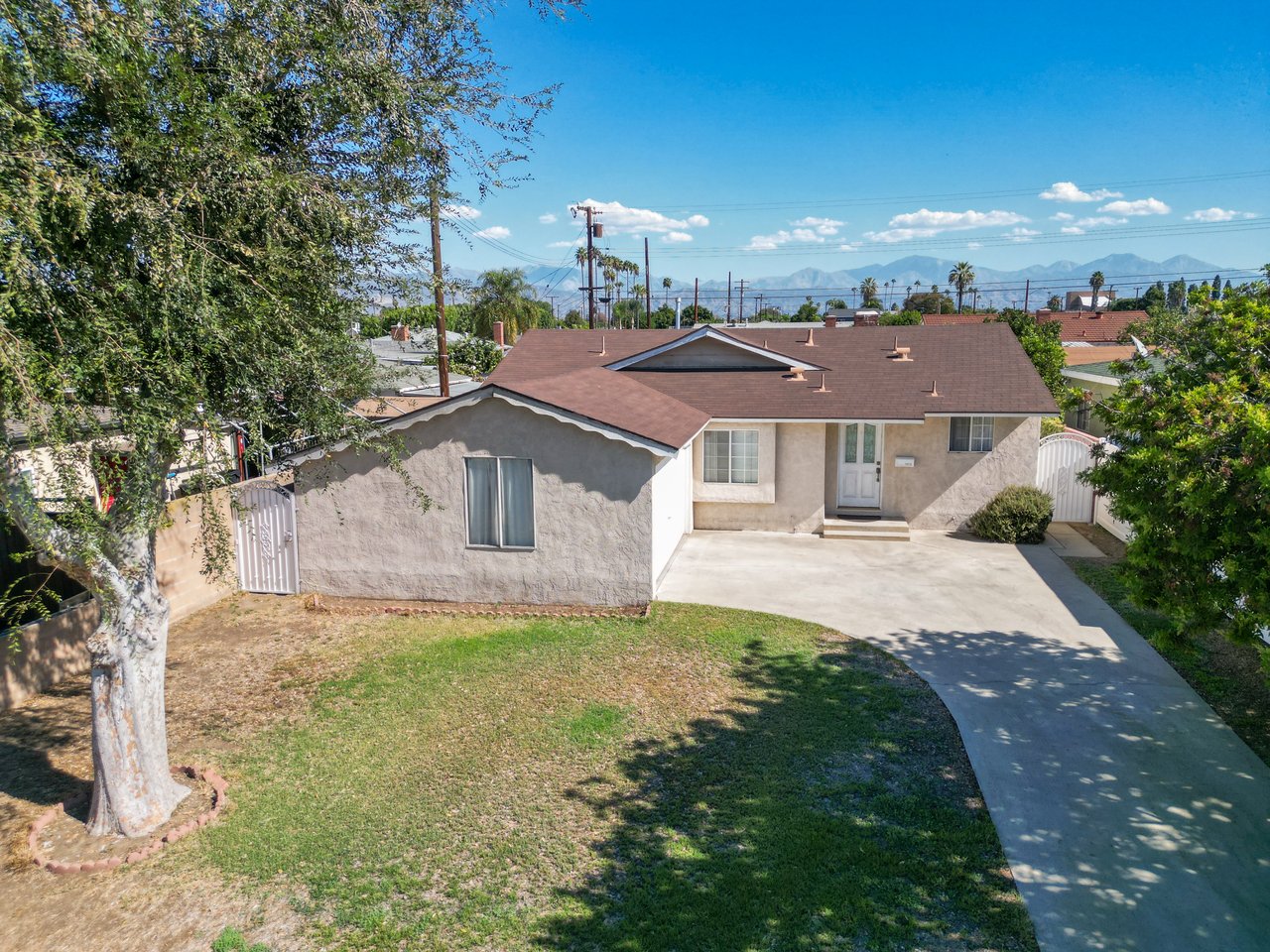
Charming Home with A Spacious Backyard in La Puente
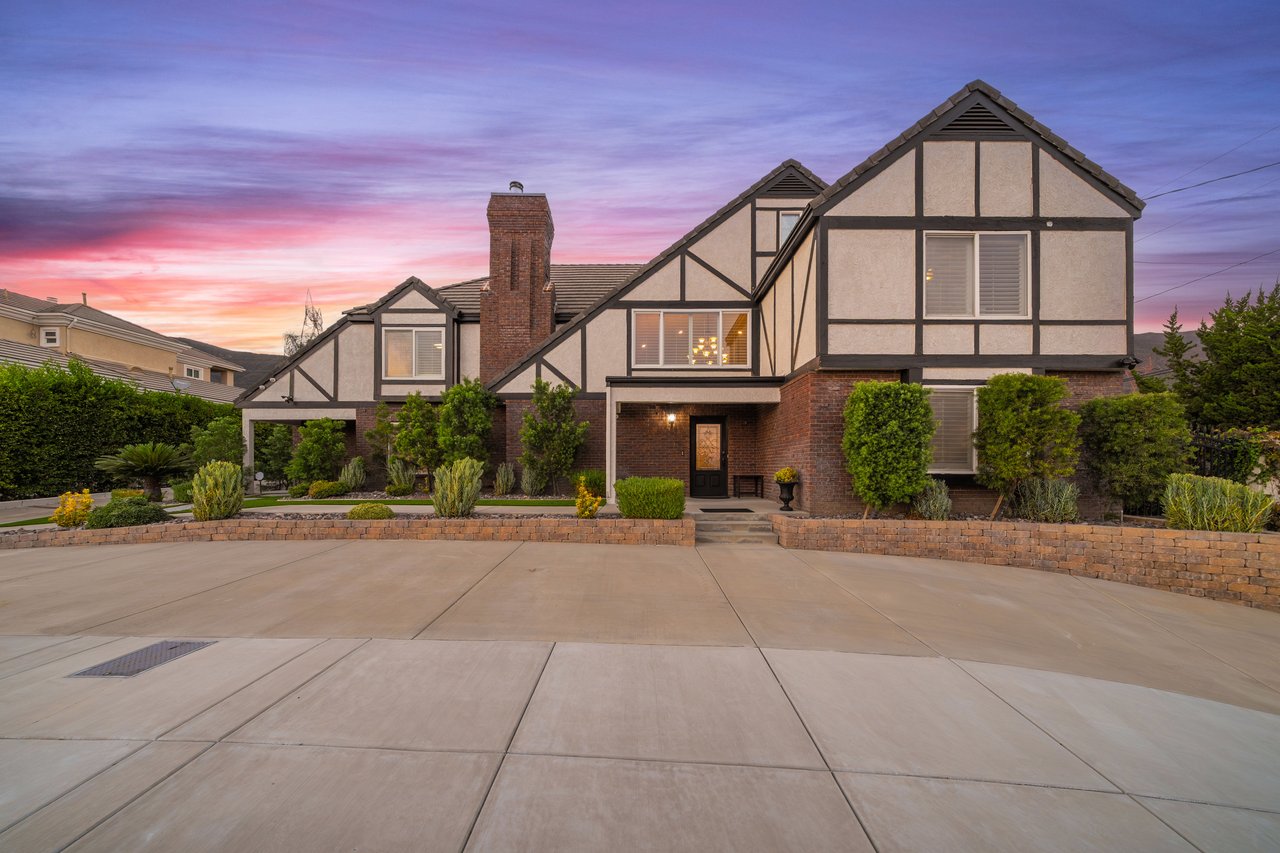
New Listing
Custom-Built Home on One Acre in Rancho Cucamonga's Alta Loma Community
Seller's Guide
Our team is ready to handle every aspect of your transaction to facilitate the home buying, selling, commercial, or retail sale process. From the largest estate property to the first time buyer purchase, commercial real estate, and everything in between, we have the experience and knowledge to help.