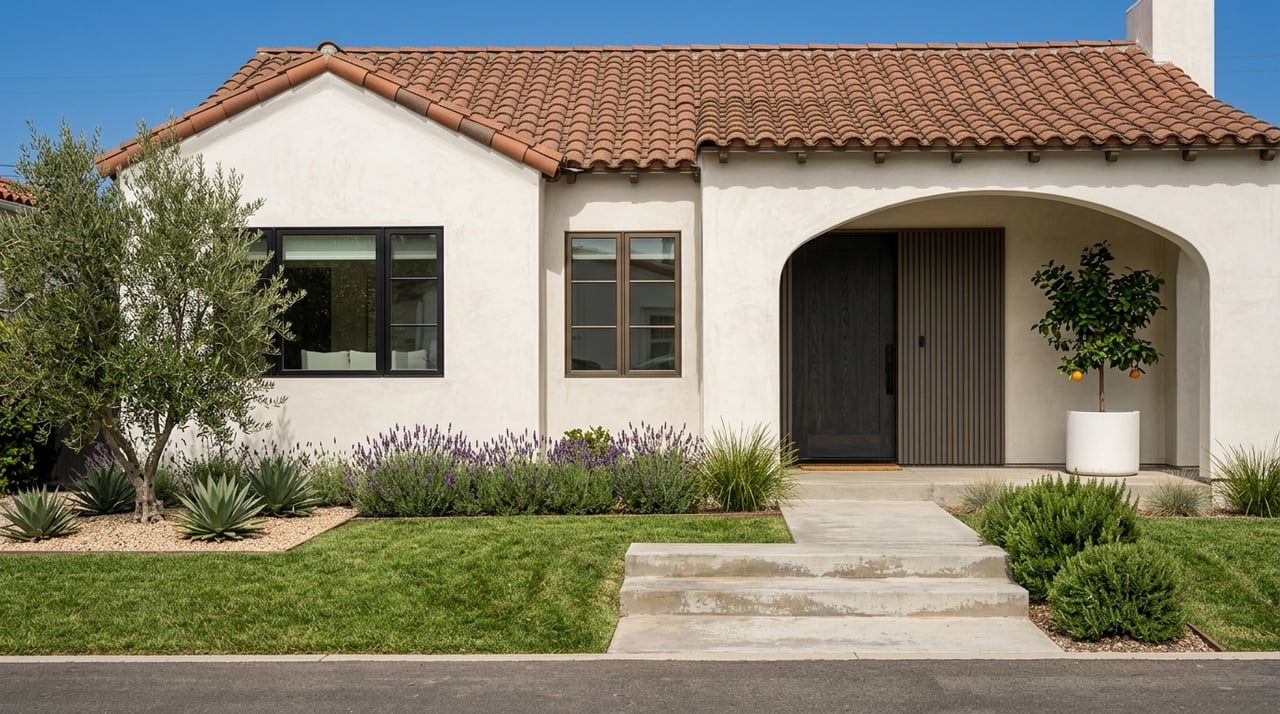
What It’s Like To Live In Glendora
April 23, 2026
April 23, 2026
If you are thinking about moving to Glendora, you probably want more than a map and a list of home prices. You want to know what daily life actually feels like. In Glendora, that usually means a suburban foothill setting with neighborhood streets, a historic downtown core, strong outdoor access, and a location that keeps you connected to the rest of Los Angeles County. Let’s take a closer look.
Glendora sits at the base of the San Gabriel Mountains along historic Route 66, less than 30 miles from downtown Los Angeles. According to the City of Glendora, the city has an estimated 2024 population of 50,101 and a residential, foothill character shaped by its citrus-growing past.
That setting gives Glendora a different feel than denser parts of Los Angeles County. Census data show the city spans 19.51 square miles, with a population density of 2,693.9 people per square mile, which supports its identity as a suburban, house-oriented community rather than an urban center. If you are looking for space, established neighborhoods, and a calmer pace while still staying connected to the region, Glendora stands out.
One of the biggest draws of Glendora is how balanced daily life can feel. The city describes its downtown Village as a historic area with owner-operated retail shops, while larger shopping centers are located throughout the city. That mix gives you both a local small-town commercial core and the convenience of everyday services nearby.
You will also notice that Glendora has a strong residential identity. The city highlights tree-lined neighborhood streets and a setting that still reflects its agricultural roots. In practical terms, that often translates into a community where home life, outdoor time, and local routines play a major role in how people experience the city.
Glendora also has a mixed-age population, which adds to that well-rounded feel. According to Census QuickFacts, 22.4% of residents are under 18, 17.2% are 65 or older, and the average household size is 2.98 people. That suggests a city that supports a variety of life stages rather than catering to just one type of resident.
If you enjoy getting outside, Glendora gives you plenty of ways to build that into your routine. The city reports about 19 miles of hiking, equestrian, and multi-use trails across 32 trails, with many located in Big Dalton Canyon Wilderness Area and South Hills Wilderness Area.
Big Dalton Canyon Wilderness Area covers 563 acres and includes trailhead access, picnic space, and day-camp features. South Hills Wilderness Area, at 248 acres, is more centrally located within the city. Together, they help explain why outdoor recreation is not just an occasional activity in Glendora, but part of everyday living for many residents.
City parks add even more options. The Glendora parks directory lists 13 sites, including the Arboretum and Botanic Garden, Big Tree Park, Centennial Heritage Park, and South Hills Park & Dog Park. Finkbiner Park is one of the most active hubs, with tennis, pickleball, softball diamonds, a skate park, playground equipment, and picnic areas.
These amenities matter because they shape how a place feels beyond the home itself. In Glendora, parks and trails are part of the city’s rhythm, whether you want a morning walk, a weekend hike, a dog-friendly outing, or a place to spend time outdoors close to home.
Glendora’s history still shows up in visible ways. One of the clearest examples is Centennial Heritage Park, which was built to reflect a late-19th- and early-20th-century citrus ranch. It includes the Hamilton House, the Orton Englehart workshop, a working print shop, and antique farm equipment.
That heritage gives the city more texture than a typical suburban layout. It also creates gathering points for local events, including the Annual Pumpkin Festival hosted at Centennial Heritage Park. For many buyers, that kind of community identity matters because it adds familiarity and continuity to day-to-day life.
Glendora is still largely a driving suburb, but your transportation options are broader than they used to be. The city’s transportation services page highlights Dial-A-Ride, an A Line commuter shuttle, morning and midday shuttle options, first/last mile planning, and connections through Foothill Transit and Metro.
Rail access has become an important part of the local transportation picture. According to Foothill Gold Line, Metro began passenger service on the Glendora-to-Pomona segment on September 19, 2025. From Glendora Station, the trip to Pasadena takes about 22 minutes, and the trip to downtown Los Angeles takes about 51 minutes.
The station itself includes practical features that many commuters look for, including a 302-space parking facility, EV charging, bicycle parking, and bus and drop-off areas. That does not make Glendora a transit-first city, but it does give you another option if your work or routine takes you west.
Even so, driving still plays a major role in local life. Census data report a mean commute time of 33.1 minutes for workers age 16 and older. In everyday terms, Glendora is best understood as a suburban city where most errands and many commutes still happen by car, with transit now offering added flexibility.
Housing in Glendora covers a wider range than some buyers expect. The city describes its homes as ranging from cozy turn-of-the-century cottages to executive hillside estates. That reflects Glendora’s long development timeline, from its citrus-era roots to the larger residential growth that took off after the late 1950s.
The result is a city with several layers of housing character. You will find established residential neighborhoods, detached homes that support a more traditional suburban lifestyle, and hillside areas that offer a different setting and scale. For buyers, that variety can be helpful because it creates multiple entry points depending on your goals and budget.
Census data show that 67.9% of housing in Glendora is owner-occupied, the median owner value is $862,700, and median monthly owner costs with a mortgage are $3,195. The same dataset shows 91.4% of residents lived in the same house one year earlier, which points to a relatively stable community. Those numbers reinforce Glendora’s profile as a market where many residents put down roots.
For many buyers, schools are part of the relocation conversation. Glendora Unified School District lists five elementary schools, two middle schools, Glendora High School, and Whitcomb High School, serving more than 6,200 students.
Even beyond the school system itself, the city’s overall setup supports family routines in practical ways. Parks, trails, neighborhood streets, and community spaces all contribute to how residents move through daily life. If you are planning around school schedules, after-school activities, or weekend recreation, Glendora offers amenities that fit those patterns.
Compared with other San Gabriel Valley cities, Glendora sits in the middle-to-upper end of the foothill suburban market. Census comparisons show its 67.9% owner-occupied rate is similar to La Verne at 67.1% and higher than West Covina, Covina, Azusa, and Pasadena. Its median owner value of $862,700 is above San Dimas, La Verne, West Covina, Covina, and Azusa, but below Pasadena.
Density helps clarify the feel as well. Glendora’s 2,693.9 people per square mile is lower than La Verne and far lower than Pasadena, but slightly higher than San Dimas. If you are trying to picture the difference, Glendora generally offers a more suburban experience than Pasadena, while still feeling established and connected within the San Gabriel Valley.
Glendora tends to appeal to buyers who want a suburban foothill lifestyle with a strong sense of place. The combination of local parks, trail access, a historic Village area, varied housing stock, and regional commuting options gives the city a practical and livable balance.
If you want a neighborhood-oriented community that feels less dense than more urban parts of Los Angeles County, Glendora is worth a serious look. And if you want help understanding how different parts of the city line up with your commute, housing goals, or long-term plans, the local insight matters. The The Mark & Al Team can help you explore Glendora with clear guidance and a local perspective.
Stay up to date on the latest real estate trends.
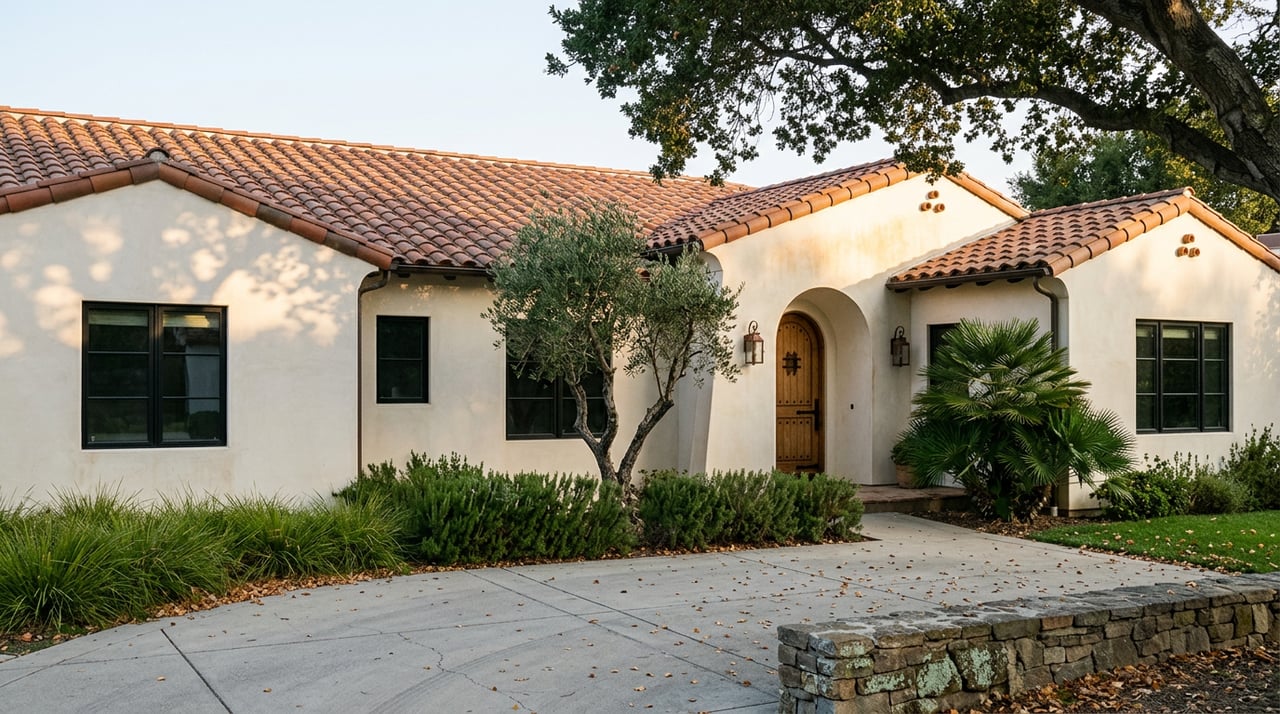

Real Estate News
What Homeowners Should Know Before the Appraiser Arrives
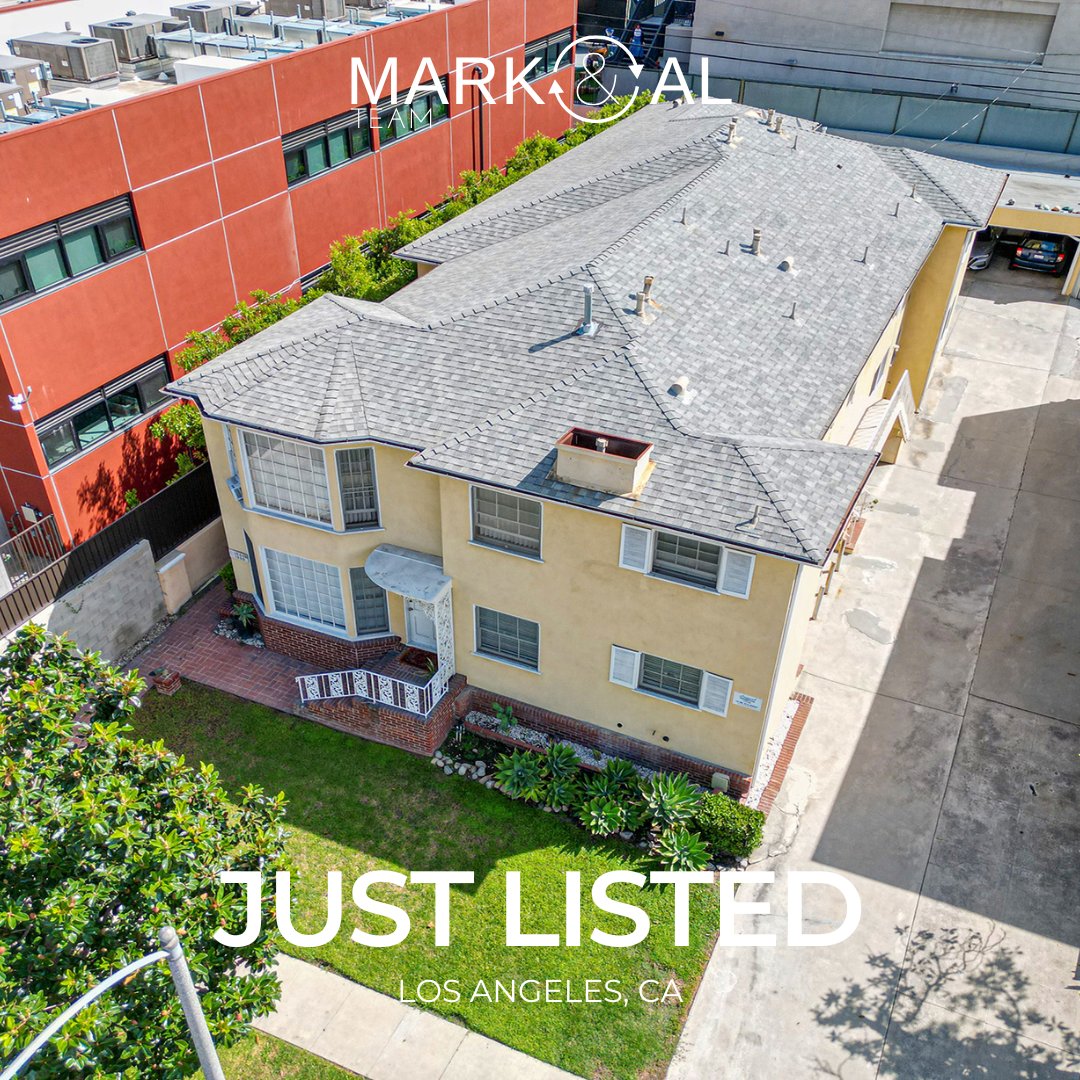
A Six-Unit Multifamily Investment Opportunity Near Beverly Hills
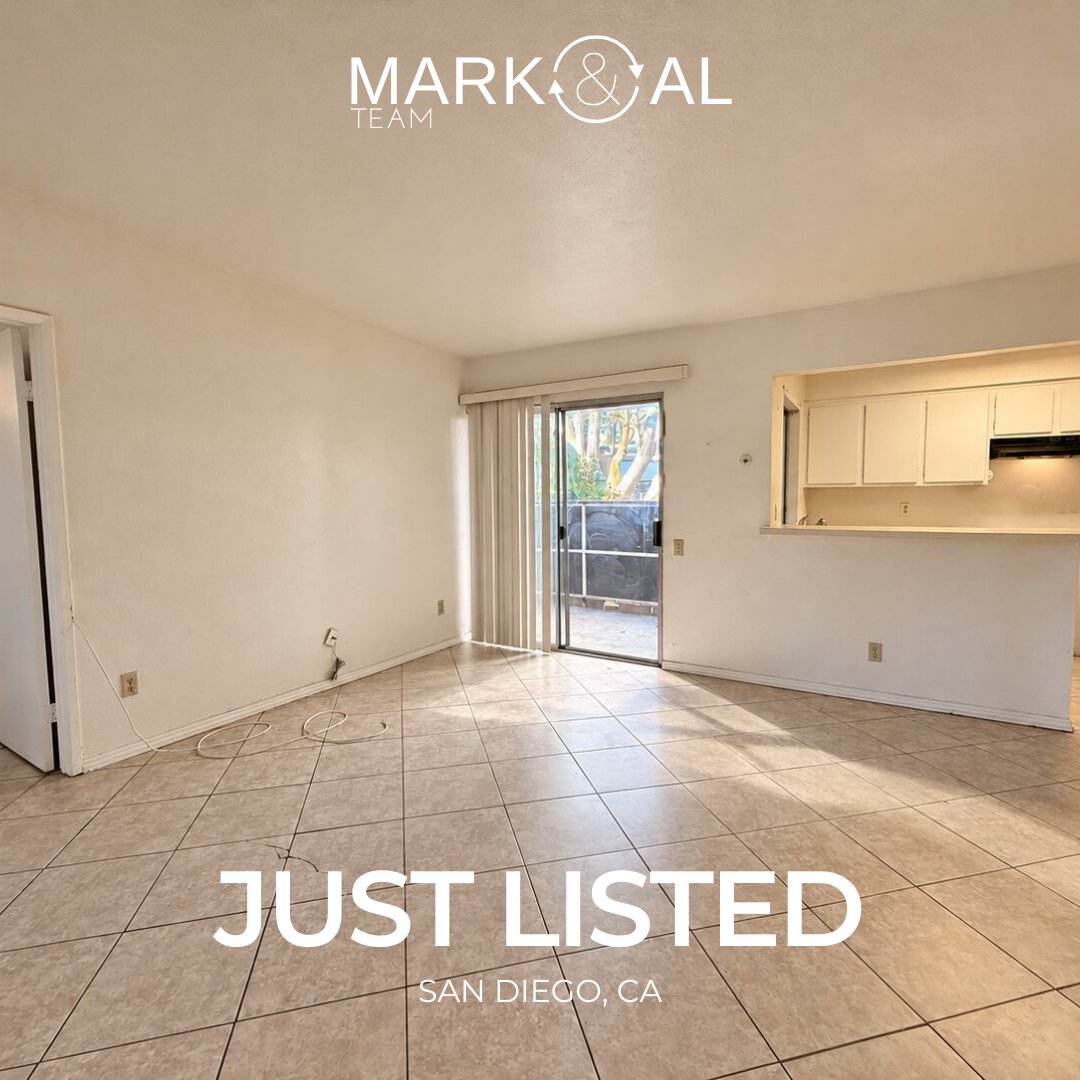
Just Listed in Mission Valley: A Ground-Floor Condo with Opportunity
Just Listed in Mission Valley: A Ground-Floor Condo with Convenience and Potential
What sellers should know about selling a property that needs work before putting it on the market


Real Estate Terms Explained
A buyer's guide to evaluating price, value, and what a home is really worth
Our team is ready to handle every aspect of your transaction to facilitate the home buying, selling, commercial, or retail sale process. From the largest estate property to the first time buyer purchase, commercial real estate, and everything in between, we have the experience and knowledge to help.