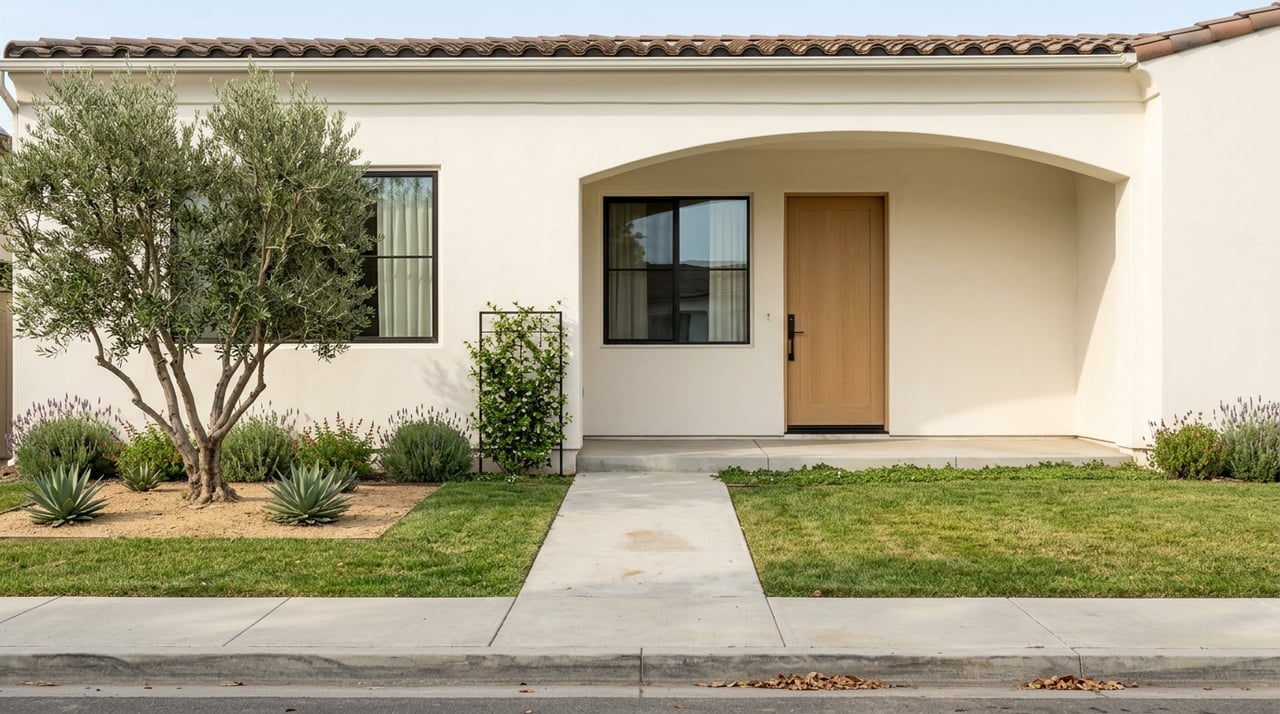
From Renter To Owner In Upland: A Step-By-Step Look
May 28, 2026
May 28, 2026
Ready to stop renting in Upland but not sure how to make the leap? You are not alone. In a market where home prices are still high and well-prepared buyers often need to move quickly, the path from renter to owner can feel like a lot to sort through. The good news is that when you break the process into clear steps, it becomes much more manageable. This guide walks you through what to expect in Upland, how to prepare your budget, and how to move from your first plan to closing day. Let’s dive in.
Upland offers a mix of historic character, foothill living, and a range of housing options across the city. Public planning documents highlight places like Historic Downtown Upland, Euclid Avenue, College Heights, and the Southeast Quadrant as important parts of the community. They also note that central Upland includes opportunities for higher-density housing near the Metrolink station, which can matter if you are open to condos or attached homes.
That flexibility matters because price points can vary a lot within Upland. Realtor.com reported a median listing price of about $568,000 in Historic Downtown Upland, compared with about $1,039,500 in The Colonies. If you are moving from renting to owning, your neighborhood choice can have a major impact on what feels realistic.
The broader market is still competitive too. Recent market snapshots showed average and median price measures in the upper $700,000s to low $800,000s, with homes often going pending quickly and drawing multiple offers. That means your best advantage is being financially prepared before you start serious home shopping.
Before you look at homes, get clear on what you can comfortably afford each month. That includes more than a mortgage payment. You also need to think about property taxes, insurance, utilities, maintenance, and the cash you will need upfront.
A useful starting point is to separate your budget into three buckets:
Consumer guidance says many loans require at least 3% down, while some require 5% or more. Closing costs are often around 2% to 5% of the purchase price, separate from the down payment. If you focus only on the down payment and forget the rest, the numbers can catch you off guard.
In Upland, this matters even more because home prices are not low. On a purchase near the city’s recent market range, your closing costs alone could be significant. Planning early helps you avoid stretching too far.
If you are renting now, you may assume you need 20% down to buy. In many cases, that is not true. Several loan types offer lower down payment options, depending on your financial profile and eligibility.
Here are some common paths first-time buyers may explore:
Another number to know is the 2026 conforming loan limit for San Bernardino County, which is $832,750 for a one-unit property. That is an important benchmark when you compare your target price and loan amount, especially in a city like Upland where many homes are priced near that range.
The right loan depends on your income, credit profile, monthly budget, and the type of property you want to buy. A renter moving into ownership usually benefits from comparing options early instead of trying to sort them out after finding a home.
You may also have access to first-time buyer assistance, but these programs are specific and often come with rules. The City of Upland offers a First Time Home Buyer Program that provides low-interest second-mortgage loans through federal grants, subject to funding availability. According to the city, this assistance is a deferred second mortgage with simple interest from 0% to 3%, and repayment is generally triggered by sale, refinance, full payoff of the first mortgage, or after 30 years.
CalHFA also offers MyHome Assistance for eligible first-time buyers. This program provides deferred junior loans of up to 3.5% of the purchase price or appraised value for FHA loans, or up to 3% for conventional loans. CalHFA also requires first-time-homebuyer status, owner occupancy, and homebuyer education or counseling.
San Bernardino County no longer runs its own down payment assistance directly, but it does point buyers to housing resources such as NPHS, CalHFA, and approved counseling agencies. If you think you might qualify for help, it is smart to ask about these options before you begin writing offers.
Preapproval is one of the most important steps in this process. It tells you what a lender may be willing to lend, helps you narrow your search, and shows sellers you are serious. In a competitive market like Upland, that can make a meaningful difference.
It also helps protect your time. Without preapproval, it is easy to fall in love with homes that do not fit your financing. With preapproval in hand, you can focus on homes that match both your goals and your numbers.
As you move forward, California’s Department of Real Estate encourages first-time buyers to ask questions, take their time, and avoid signing anything they do not understand. That mindset is especially helpful during the financing stage, when loan terms and paperwork can start to feel overwhelming.
Once your financing is taking shape, you can start building a realistic home search. This is where many renters need to make a mindset shift. Your first home does not have to check every box forever. It needs to fit your budget, your day-to-day needs, and your longer-term goals.
In Upland, that often means deciding what tradeoffs you are comfortable making. You may prefer a detached home, but a condo or townhome in central Upland could offer a more accessible entry point. Since city planning encourages more multifamily housing near downtown and the Metrolink station, buyers open to attached housing may find useful opportunities there.
It also helps to compare price ranges by area rather than searching the whole city with one expectation. Upland has meaningful variation from one neighborhood area to another. A focused search can help you act faster when the right property appears.
Once you begin touring, expect the market to move quickly. Recent reports showed homes in Upland going pending in around 20 days and receiving multiple offers on average. That does not mean you should rush blindly, but it does mean preparation matters.
Try to evaluate each home through two lenses:
This is where clear communication and steady guidance can help. The California Department of Real Estate notes that an agent should help you find homes in your price range, negotiate offers, and explain disclosures and paperwork. For a first-time buyer, that kind of structure can remove a lot of uncertainty.
When you find the right fit, your offer needs to reflect both the home and the market. In Upland, where the sale-to-list ratio has recently been near 99%, pricing still tends to be close to asking. That makes it important to understand your limits before you negotiate.
You may also hear about seller credits for closing costs. These can help in the right situation, but they are still part of the overall negotiation. Consumer guidance notes that credits are not free money, since the cost is often absorbed through a higher price, larger loan amount, or higher interest rate.
A smart offer is not always the highest one. It is the one that balances competitiveness with your financial comfort and long-term stability.
After your offer is accepted, you move into the closing phase. This is when your lender, escrow team, and other parties work through the details needed to finalize the purchase. For first-time buyers, this part can feel busy because many deadlines arrive close together.
You should expect to review documents, complete lender requests, and keep a close eye on timing. Consumer guidance says you should receive your Closing Disclosure at least three business days before closing. That document outlines key loan terms and closing costs such as origination charges, appraisal fees, title costs, property taxes, and homeowner’s insurance.
You will also want to do a final walk-through before signing. This is your chance to confirm the property is in the expected condition before the sale is completed.
Your first year as an owner in Upland may include costs that renters do not always anticipate. One of the biggest is property tax. In San Bernardino County, the general rule for a newly purchased home is a 1% tax rate under Proposition 13, plus voter-approved debt service. The exact parcel rate can be confirmed with the San Bernardino County Auditor-Controller.
Annual tax bills may also include special assessments, special taxes, and Mello-Roos bonds. On top of that, California’s supplemental assessment rules can trigger one or two additional tax bills after a change in ownership, depending on the sale date. That means your early ownership costs may be higher than your basic monthly mortgage payment suggests.
This is one reason renters should build a buffer into their plan. Owning a home gives you more control over your space and your future, but it also comes with new responsibilities that are easier to manage when you are financially prepared.
Buying your first home is not just about finding a property. It is about coordinating financing, deadlines, disclosures, inspections, and local program requirements. In a market like Upland, where speed and preparation matter, that coordination can have a big impact on how smooth the process feels.
A strong support team helps you stay organized and make informed decisions at each stage. That is especially true if you are comparing neighborhoods, applying for assistance, and trying to understand closing costs at the same time. Clear communication and hands-on transaction management can make the move from renter to owner feel much more achievable.
If you are thinking about buying in Upland, The Mark & Al Team can help you understand your options, map out a realistic plan, and guide you step by step from search to closing.
Stay up to date on the latest real estate trends.
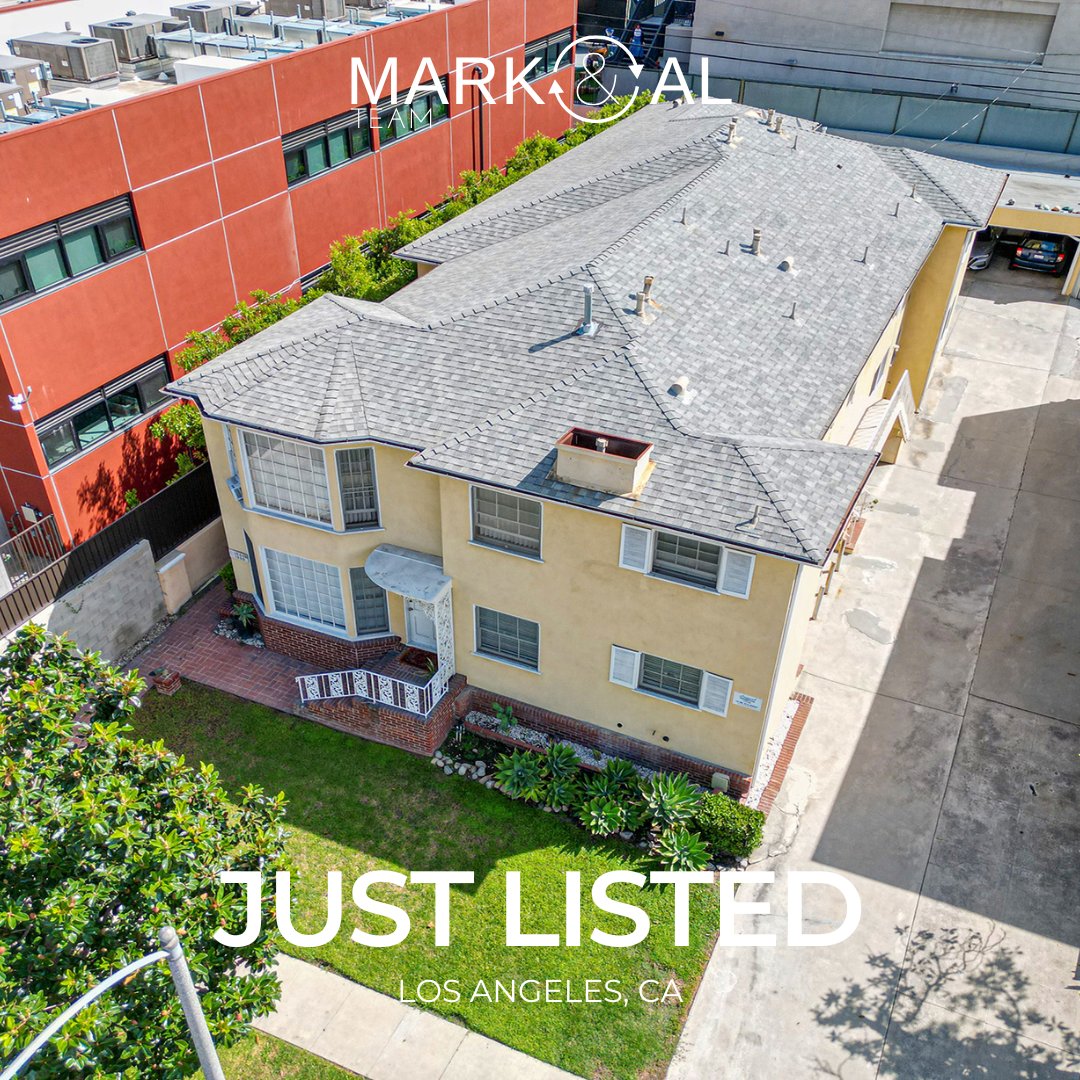
A Six-Unit Multifamily Investment Opportunity Near Beverly Hills
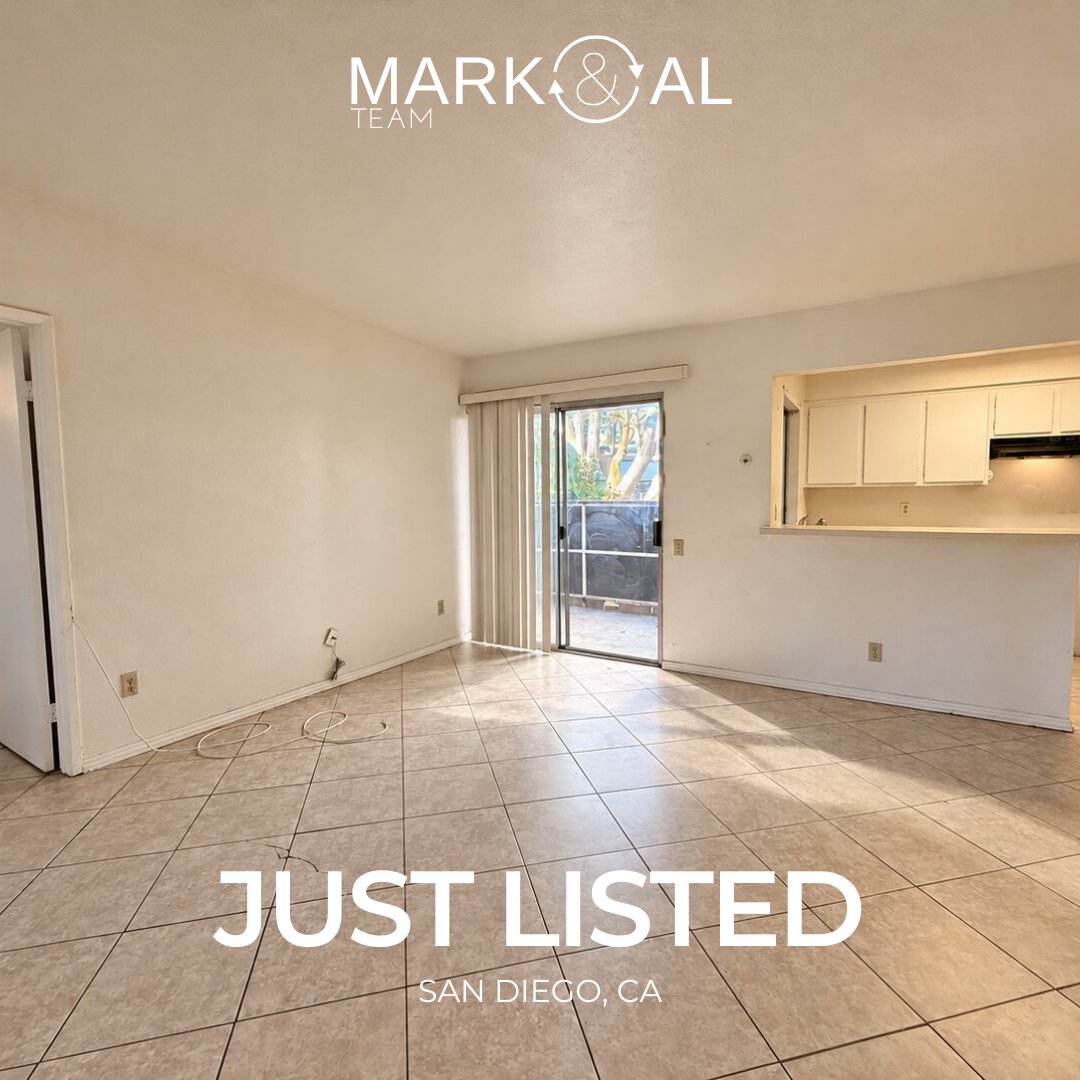
Just Listed in Mission Valley: A Ground-Floor Condo with Opportunity
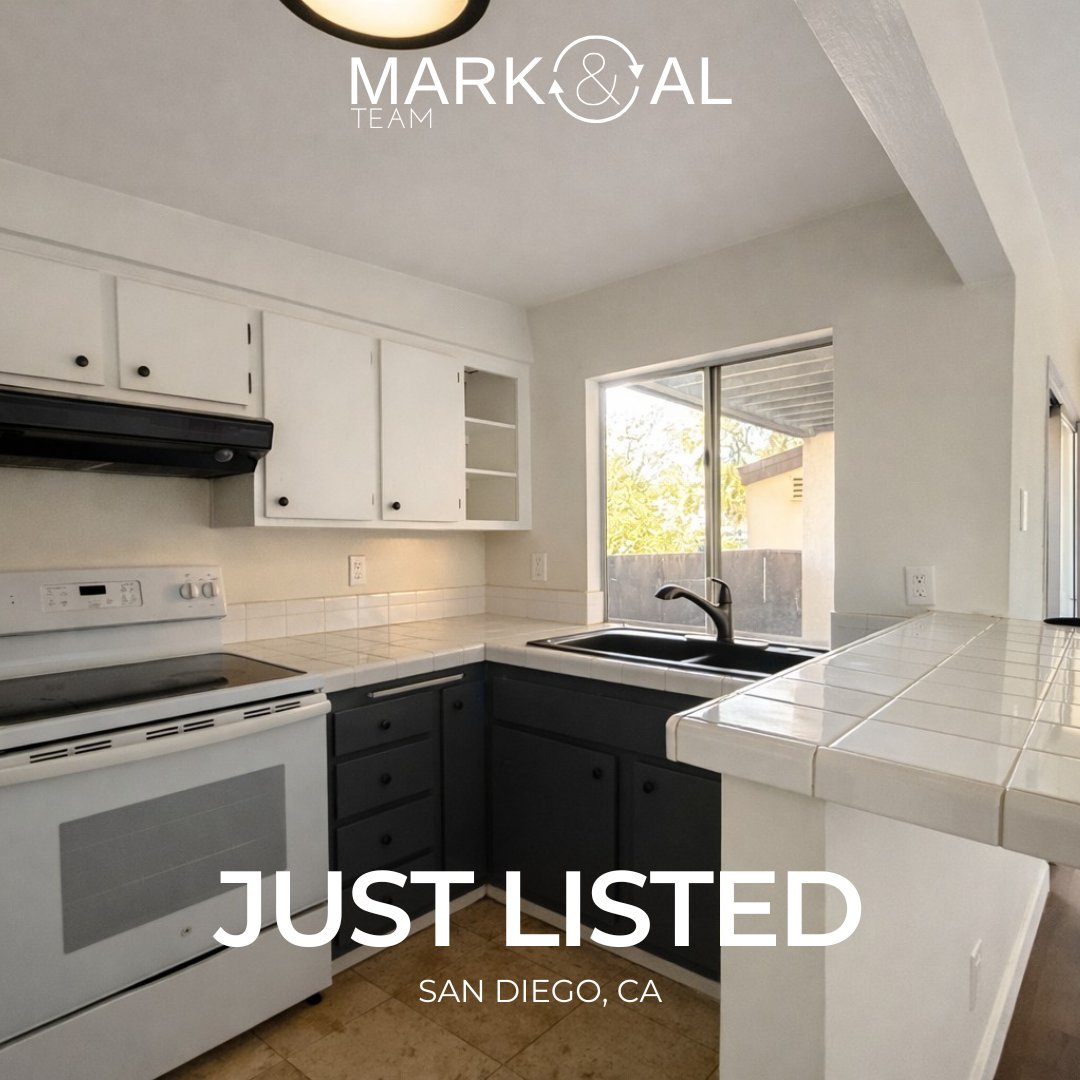
Just Listed in Mission Valley: A Ground-Floor Condo with Convenience and Potential
What sellers should know about selling a property that needs work before putting it on the market



Real Estate Terms Explained
A buyer's guide to evaluating price, value, and what a home is really worth


Real Estate News
Simple updates that can help your home feel fresh, modern, and move-in ready
Our team is ready to handle every aspect of your transaction to facilitate the home buying, selling, commercial, or retail sale process. From the largest estate property to the first time buyer purchase, commercial real estate, and everything in between, we have the experience and knowledge to help.