
Buying And Selling At Once In Glendora And Nearby Cities
June 4, 2026
June 4, 2026
If you are trying to buy and sell at the same time in Glendora or a nearby San Gabriel Valley city, you are not alone, and you are not imagining the challenge. In a market where prices are still high, mortgage rates remain meaningful, and nearby cities move at different speeds, timing two transactions at once can feel like solving a puzzle with moving pieces. The good news is that with the right plan, you can reduce stress, protect your options, and move with more confidence. Let’s dive in.
Glendora remains a competitive market. Over the three months ending April 2026, homes sold in about 41 days on average, received about three offers, and posted a median sale price of $914,528.
That only tells part of the story. If your next home is in La Verne, San Dimas, Covina, or Azusa, you are not stepping into an identical market. La Verne was around $947,011 with 34 days on market, San Dimas around $903,533 with 39 days, Covina around $814,579 with 34 days and four offers on average, and Azusa around $659,659 with 51 days on market.
For you, that means the sale of your current home and the purchase of your next one may move on different clocks. A smooth move often comes down to planning for that gap early instead of hoping both closings line up perfectly.
When you are buying and selling at once, most homeowners choose one of two paths. You can sell first and then buy, or you can buy first and then sell.
Neither path is automatically right for everyone. The better choice depends on your equity, cash reserves, comfort with risk, and how hard it may be to find your next home.
This is usually the lower-stress financing path. Once your current home sells, you know your likely proceeds and can make a purchase plan based on real numbers instead of estimates.
That matters in California’s current affordability environment. In the first quarter of 2026, only 22 percent of households could afford the median-priced California single-family home, and statewide median price forecasts for 2026 were about $905,000.
Selling first can also make your next offer cleaner. California sellers often prefer buyers who do not need to sell another home first, and buyers who are pre-approved or paying cash can have an advantage.
The tradeoff is simple. You may need a temporary housing plan if your sale closes before you secure the next property.
This path can make sense when your replacement home is hard to find or you do not want to risk missing the right property. It can also feel more emotionally comfortable because you secure the next address before giving up the current one.
The challenge is carrying the financial load. If you buy first, a lender must be comfortable with your ability to handle the current home, the new home, and any short-term financing involved.
That is why this option usually works best for homeowners with strong equity, solid cash reserves, or a financing strategy already in place. It offers flexibility on the housing side, but it requires more financial preparation.
Before you decide on a strategy, it helps to understand your cash needs. The California Department of Real Estate says buyers usually need savings for a down payment of 5 percent to 20 percent of the purchase price, plus another 3 percent to 7 percent for closing costs.
For move-up buyers, those numbers are one reason the sale of the current home matters so much. Many homeowners need their equity to fund the next down payment, cover closing costs, or create a comfortable reserve after the move.
Mortgage rates also affect the equation. Freddie Mac reported the 30-year fixed rate at 6.53 percent on May 28, 2026, so monthly payment planning still deserves close attention.
If your sale and purchase will not close on the same day, you still have options. In California, several common tools can help make the transition more manageable.
You may be able to write an offer that is contingent on selling your current home. California forms include a contingency for the sale or purchase of property, which can help protect you if your ability to close depends on your existing home.
This can be useful, but it may make your offer less attractive in a competitive market. In areas like Glendora, La Verne, San Dimas, and Covina, where multiple offers are common, strategy matters.
If you sell first, you may be able to stay in the home for a short time after closing. California uses a Seller in Possession form for short-term occupancy of less than 30 days after close.
This can create valuable breathing room. It gives you extra time to move, close on the next home, or avoid rushing into temporary housing.
If you need 30 days or more after closing, California uses a Residential Lease After Sale form instead of the short-term occupancy form. This is another way to stay in place briefly while you complete the next step of your move.
For homeowners juggling two escrows, this can be one of the most practical backup plans. It helps when the sale side moves faster than the buy side.
Some homeowners use equity-based financing before the current home sells. A home equity line of credit, or HELOC, lets you borrow against available equity in your home, but it only makes sense if you are confident you can keep up with the payments.
Bridge loans are another short-term option. They can help cover timing gaps, but lenders must document that you can carry the current home, the new home, the bridge loan, and your other obligations.
Because these options add complexity, they should be reviewed carefully as part of your full move plan. The goal is not just getting across the gap, but doing it in a way that still feels financially sustainable.
When you are coordinating a sale and a purchase, contingencies become more important, not less. The California Department of Real Estate says offers should include contingencies or special conditions such as loan qualification, repairs, pest or home inspections, and a home warranty.
California Association of Realtors guidance also notes that the standard residential purchase agreement includes at least five and as many as seven standard contingencies. The deadline for removing them is generally 17 days after acceptance.
In competitive local markets, some buyers may feel pressure to shorten or waive certain protections. That is exactly why your timing, finances, and risk tolerance should be clear before you write offers.
A successful buy-sell move usually starts earlier than people expect. It is not just about listing a home and shopping for the next one. It is about sequencing each step so the two sides support each other.
A typical plan may include:
This is where process matters. In California, contracts cover sales price, deposit, closing date, inspections, disclosures, and fees, while escrow acts as a neutral third party and title insurance usually protects the buyer and lender against unknown defects.
On the seller side, disclosures matter too. The seller’s disclosure statement addresses the property’s physical condition and potential hazards or defects, and the agent is responsible for visually inspecting and disclosing readily observable defects.
If you are selling in Glendora and buying nearby, comparing local markets can help you build a more realistic plan. Price is only one part of the decision. Pace matters too.
| City | Median Sale Price | Average Days on Market | Market Pace |
|---|---|---|---|
| Glendora | $914,528 | 41 | Very competitive |
| La Verne | $947,011 | 34 | Very competitive |
| San Dimas | $903,533 | 39 | Very competitive |
| Covina | $814,579 | 34 | Very competitive |
| Azusa | $659,659 | 51 | Slower than the others listed |
If you want a market that may offer more budget flexibility, Covina and Azusa stand out based on recent prices. If you are aiming to stay closer to Glendora pricing and foothill communities, La Verne and San Dimas may feel more comparable.
The key is not assuming that the best city is the cheapest or the fastest. It is the one that fits your budget, timing needs, and day-to-day priorities.
Buying and selling at once is rarely stress-free, but it can be much more manageable when you make decisions in the right order. Start with your numbers, then build your timing plan, and then shape your offer strategy around both.
It also helps to plan for the backup scenario before you need it. If your sale closes early, could a short-term occupancy agreement help? If your purchase needs to happen first, do you have the reserves or financing structure to support it?
Most important, work with a team that can keep both sides aligned. When listing preparation, buyer strategy, disclosures, contingency timelines, escrow, and occupancy planning are managed together, you are less likely to get caught by surprise.
If you are thinking about buying and selling at once in Glendora or a nearby city, a clear plan can make all the difference. The The Mark & Al Team brings local San Gabriel Valley experience, hands-on guidance, and step-by-step transaction management to help you move with more clarity and confidence.
Stay up to date on the latest real estate trends.

Real Estate News
First impressions matter more than you may think when selling your home

Understanding the factors that may be preventing buyers from making an offer

Seller's Guide
Understanding the pros and cons before making a decision

Seller's Guide
Why pricing your home correctly is one of the most important decisions you'll make as a seller
New Listing
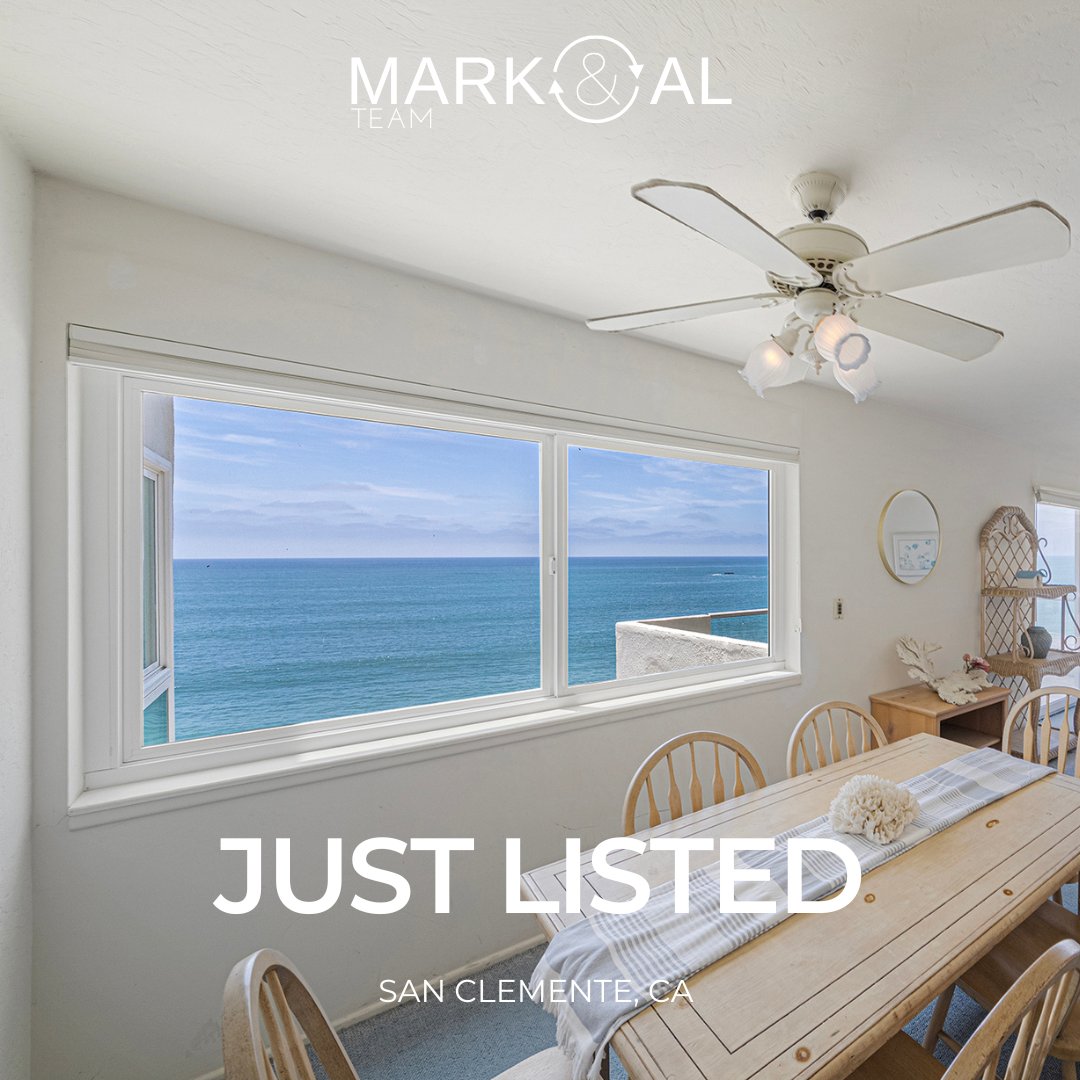
Unobstructed Ocean Views from One of San Clemente’s Most Coveted Bluff-Front Locations

Buyer's Guide
Practical tips for keeping your home show-ready during the selling process
Our team is ready to handle every aspect of your transaction to facilitate the home buying, selling, commercial, or retail sale process. From the largest estate property to the first time buyer purchase, commercial real estate, and everything in between, we have the experience and knowledge to help.