Why Claremont Village Appeals To Today’s Homebuyers
June 11, 2026
June 11, 2026
If you want a neighborhood that feels connected, convenient, and full of character, Claremont Village is easy to notice. Many buyers are looking for more than a house alone. They want a place where daily errands, local events, outdoor time, and a sense of place all come together. In Claremont, the Village often stands out for exactly those reasons. Let’s dive in.
One reason buyers are drawn to Claremont Village is that it does not feel like a typical commercial strip. The City of Claremont describes the historic central core as a vital residential and retail district and one of the region’s last true downtowns. That gives the area a more grounded, lived-in feel than places built mainly around traffic and parking lots.
The Village also keeps a strong pedestrian identity. City historic preservation guidance points to features like mature trees, rock curbs, and a building scale that supports walking and lingering. Instead of feeling oversized or rushed, the area feels more human in scale.
For many of today’s buyers, walkability is not just a bonus. It can shape how you spend your time, how often you use your car, and how connected you feel to where you live. Claremont Village appeals because so many everyday destinations sit close together.
The city’s planning work continues to emphasize walkability, bicycling, and transit orientation. Claremont’s Active Transportation Plan is intended to make the city even more walkable, bikeable, and transit-oriented. That long-term focus matters if you are thinking not just about today’s lifestyle, but also about how the area may continue to function in the future.
Claremont is known for its trees, and that shapes the experience of the Village and nearby streets. City materials note that Claremont contains 23,000 trees, along with 140 acres of developed parks and tree-lined streets. That canopy softens the downtown environment and helps the area feel more residential.
For buyers, that often translates into a stronger sense of comfort and place. A walkable district can sometimes feel too busy or too hardscaped. In Claremont Village, the mature landscape helps balance activity with a calmer neighborhood feel.
Convenience is a big part of the Village’s appeal. Local business listings show a mix of boutiques, services, cafés, restaurants, and specialty retailers rather than a single-use shopping corridor. That variety can make everyday living feel easier and more enjoyable.
Examples in the Village include the Folk Music Center and Museum, Bardot, the Village Grille, and Claremont Village Eatery. For a buyer, that mix suggests a downtown where you can run errands, meet friends, grab a meal, and explore local businesses without needing to drive across town for every stop.
Lifestyle matters, but practical details matter too. City parking information shows multiple Village lots, on-street parking, and all-day parking options. That can make visits and daily use more manageable for both residents and guests.
The Claremont Metrolink station is also located at the Historic Depot on First Street, with free parking for passengers. If you value access to rail service, that feature can add another layer of convenience to living near the Village.
Claremont Village is not just active during business hours. Recurring events help reinforce its role as a community gathering place and add energy throughout the month. That can be especially appealing if you want a neighborhood with a visible public life.
The Claremont Village Marketing Group schedules a first-Saturday Art Walk. Discover Claremont also highlights a Sunday farmers and artisans market on Harvard Avenue. Events like these can make the Village feel more like an everyday destination and less like a place you only visit for a quick errand.
Another reason buyers are drawn to the area is that Claremont offers more than convenience alone. The city’s identity is closely tied to The Claremont Colleges, which the official consortium describes as seven independent institutions on contiguous campuses. City materials also note that the colleges have long shaped Claremont’s cultural and educational character.
That influence shows up in the feel of the community and in the nearby cultural offerings. Claremont maintains a public art program, and nearby destinations include the Claremont Lewis Museum of Art and the Folk Music Center and Museum. For buyers, that can create a lifestyle that feels active, curious, and locally distinctive.
Many buyers want more than shops and restaurants nearby. They also want easy ways to spend time outside. Claremont supports that with a wide range of public outdoor spaces.
The city highlights 21 parks and trails. Thompson Creek Trail is a 2.8-mile paved path used by walkers, runners, cyclists, and leashed dogs, and Claremont Hills Wilderness Park is a 1,440-acre city nature park near the foothills. That range gives you options whether you want a short walk close to town or a more scenic outing.
A common surprise for buyers is how varied the housing options are around the Village. Claremont is known for stately single-family homes, many of historical significance, but the city also points to condominiums, townhouses, and apartment living. That creates more flexibility than some buyers expect.
If you want a character-rich home on an established street, that option exists in Claremont. If you prefer a lower-maintenance home closer to shops and dining, there are attached and mixed-use options to consider as well. That broader range helps the Village area appeal to first-time buyers, move-up buyers, and those looking to simplify their upkeep.
The architectural mix is another part of the appeal. City history points to styles that include Victorian, Neo-Classical Revival, Craftsman, and Spanish Colonial Revival. Preservation rules are also in place to help protect historic homes and neighborhoods.
For buyers, this often means the area has a stronger sense of identity than newer, more uniform developments. Even if you are not specifically searching for a historic property, the surrounding architecture can add to the feeling that the neighborhood has depth and continuity.
The area around the Village is not one-size-fits-all. City planning documents identify Historic Claremont as the residential neighborhood north of the Village. South of the historic core, the Village South plan is being shaped as a mixed-use district with retail, restaurants, apartments, condos, and townhomes.
That matters because buyers can often choose between different living styles within the same general area. You may be deciding between an older detached home with more traditional neighborhood character and a newer or lower-maintenance home closer to the commercial core. Claremont Village appeals in part because both paths can be part of the conversation.
Today’s buyers often want a home that supports how they actually live. They may be looking for convenience, outdoor access, local events, transportation options, and housing that matches their stage of life. Claremont Village stands out because it brings many of those factors together in one place.
At the same time, it still feels like part of a broader residential community. The Village is the symbolic center of Claremont, but it is not isolated from the neighborhoods around it. That balance between activity and neighborhood character is a major reason the area continues to appeal to buyers.
If you are considering a move in Claremont or the surrounding foothill communities, working with a team that understands how neighborhood lifestyle and housing options fit together can make the search much easier. The Mark & Al Team can help you explore your options and plan your next move with confidence.
Stay up to date on the latest real estate trends.
Real Estate Terms Explained

Seller's Guide
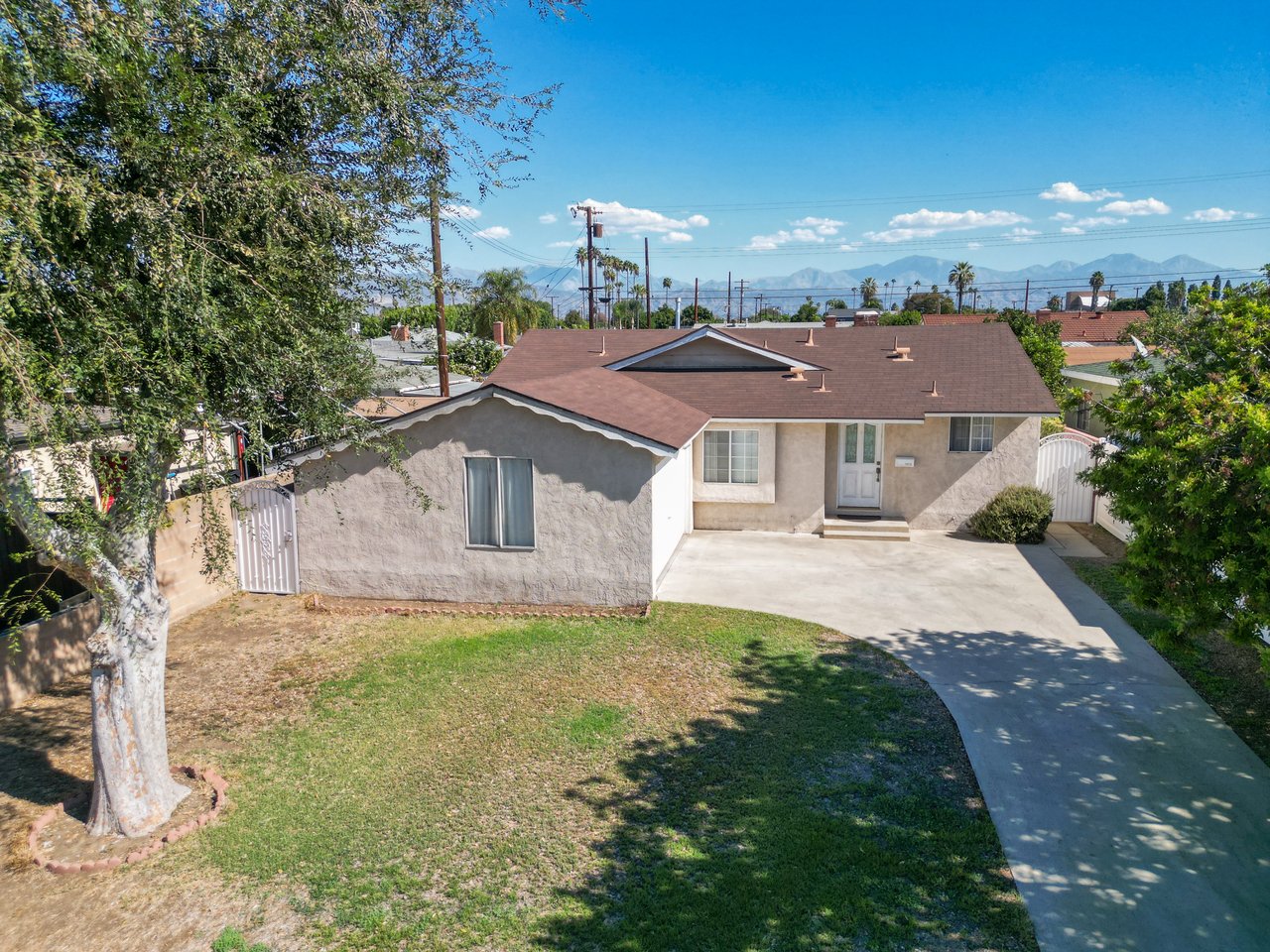
Charming Home with A Spacious Backyard in La Puente
New Listing
Custom-Built Home on One Acre in Rancho Cucamonga's Alta Loma Community
Seller's Guide
Our team is ready to handle every aspect of your transaction to facilitate the home buying, selling, commercial, or retail sale process. From the largest estate property to the first time buyer purchase, commercial real estate, and everything in between, we have the experience and knowledge to help.