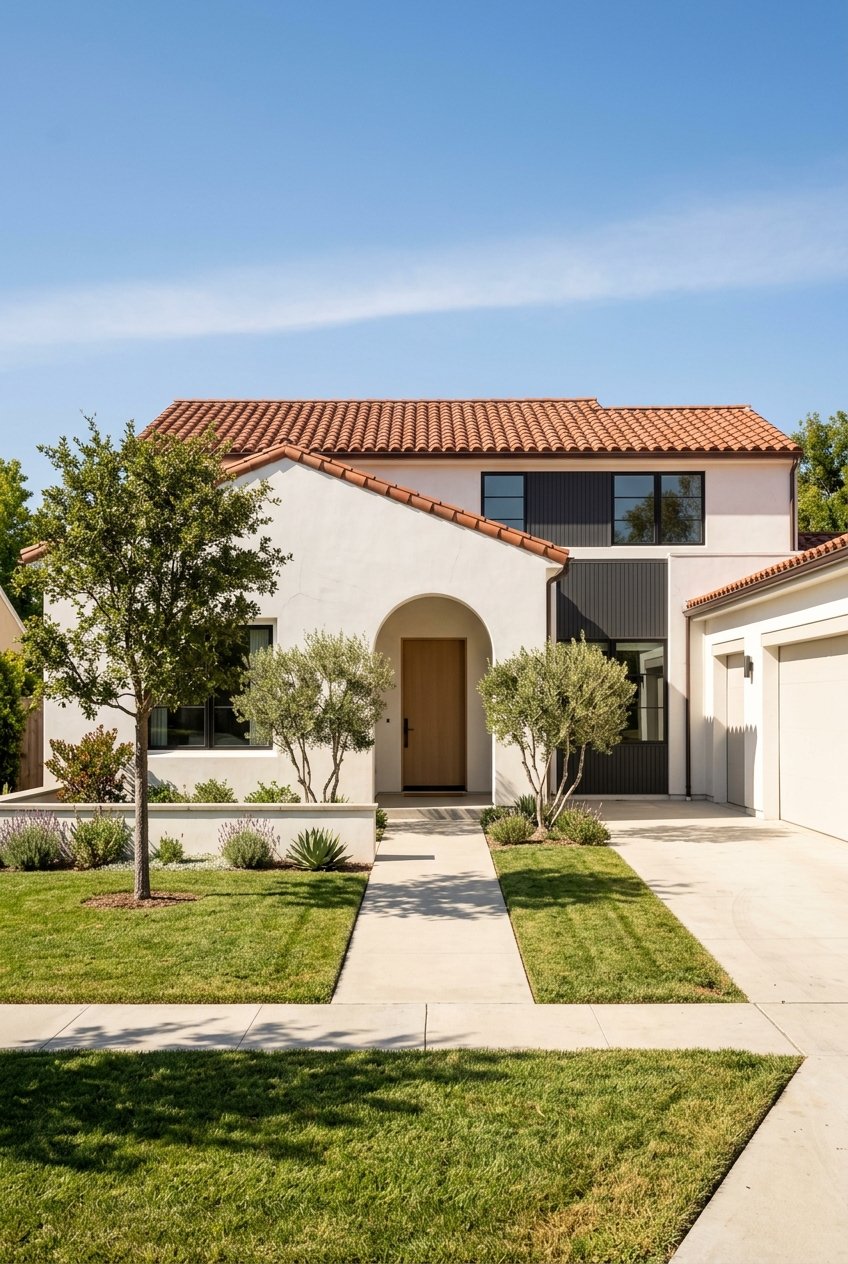
How Glendora’s Foothill Setting Influences Home Values
July 23, 2026
July 23, 2026
If you have ever wondered why some Glendora homes command a clear premium over others, the answer often starts with the land itself. In a city shaped by foothills, trails, larger parcels, and mountain-edge scenery, location is not just about an address. It is about how topography, lot usability, views, and nearby amenities come together to influence demand and value. Let’s take a closer look.
Glendora calls itself the Pride of the Foothills, and that identity is more than branding. The city sits at the base of the San Gabriel Mountains, covers 19.5 square miles, and has 52,558 residents. Census QuickFacts lists the median owner-occupied housing value at $862,700 for 2020 through 2024.
That baseline helps explain why Glendora stands out. Limited land supply, foothill terrain, and a strong concentration of single-family neighborhoods all shape how homes are valued. In a market like this, geography can create scarcity, and scarcity often supports higher prices.
Not all land in Glendora is interchangeable. The city’s community plan notes that residential density becomes less intense as you move away from the city center. That means homes in foothill areas and on larger lots often trade in a different value range than homes in more standard suburban tracts.
This matters because scarcity is hard to replicate. A home on a flatter subdivision lot may have broad buyer appeal, but a property with a larger parcel, a more elevated setting, or a more open foothill backdrop can offer something the rest of the market simply cannot reproduce.
Glendora’s planning framework shows a clear difference in lot sizes across residential areas. Hillside Very Low Residential allows single-family homes on lots of at least one acre. Low Density Residential allows lots from 10,500 to 30,000 square feet, while lower-density detached single-family lots in Low/Medium Density areas are typically around 7,500 to 8,500 square feet.
That lot-size ladder helps explain why foothill properties often stand apart. Larger parcels can create more privacy, more outdoor space, and more flexibility. They are also less common, which can make them more desirable when buyers are specifically looking for a foothill lifestyle.
A larger lot does not automatically mean a better value. In Glendora, hillside management policies require development to consider drainage, minimum slope modification, view preservation, and natural hillside features. So while size matters, utility matters just as much.
For buyers and sellers, that means two homes with similar lot sizes may not be valued the same way. A parcel with usable yard space, practical access, and a layout that works well for daily living may attract stronger demand than a steeper lot with more limitations.
One of the clearest advantages of Glendora’s foothill setting is the potential for scenic views. Research referenced in the market data shows that parks, trails, open space, and mountain views can influence housing prices, although the effect depends on context.
In Glendora, the most likely premium comes when a home combines an open view with a usable lot and a setting that feels peaceful and well integrated into the neighborhood. A view is usually most valuable when it adds daily enjoyment without creating tradeoffs that reduce functionality.
Glendora’s trail system is a major part of its appeal. The city says it has about 19 miles of hiking, equestrian, and multi-use trails across 32 trails in Big Dalton Canyon and South Hills. For many buyers, that kind of access supports the feeling of a foothill lifestyle.
Homes near trails and open space can benefit from that demand, but the premium is not automatic. The research suggests trail access tends to be most valuable when it feels like a true amenity. Convenient access, a pleasant setting, and compatibility with the surrounding area all play a role.
Big Dalton Canyon sits on the northeast side of Glendora in the foothills of the Angeles National Forest, while South Hills is more centrally located and accessible from South Hills Park and below the 210 Freeway. These areas help define the outdoor identity of the city.
For buyers who want quick access to recreation, these locations can be a meaningful draw. That does not mean every nearby property receives the same bump in value, but it does mean outdoor access is part of the story many buyers are willing to pay for.
Glendora’s foothill setting is only part of the equation. Glendora Village adds a different type of appeal through convenience, pedestrian-oriented activity, and everyday services. The Village is known for its small-town atmosphere, with shops, restaurants, salons, spas, and professional services.
The city’s 2025 Community Plan says Village Mixed Use is intended to preserve and enhance the area’s unique character while emphasizing pedestrian circulation and amenities. A weekend shuttle connecting parks, shops, restaurants, the library, and other destinations reinforces that amenity-driven value. For many buyers, the mix of foothill scenery and nearby convenience is a strong combination.
In many markets, buyers feel like they have to choose between outdoor access and in-town convenience. Glendora offers a blend of both. That combination can broaden demand, because some buyers want trail access and larger lots, while others also want easy access to dining, services, and community activity.
When a property balances those features well, it can stand out. A home that feels connected to both the natural setting and the practical day-to-day rhythm of the city may have an edge when it hits the market.
Recent public market trackers place Glendora in the high-$800,000s to low-$900,000s. Zillow lists a typical home value of $893,173, Redfin shows a median sale price of $929,444 in May 2026, and Census QuickFacts reports a median owner-occupied value of $862,700 for 2020 through 2024.
Those numbers measure slightly different things, but they point in the same direction. Glendora remains a relatively high-value foothill market, and the city’s geography is part of that value story.
The premium becomes more visible when you look at the Foothills submarket. Redfin reports a median sale price of $1.3 million there over the last three months, with homes spending about 34 days on market and selling around 1% above list price.
That is a meaningful gap compared with the broader city figures. The most defensible takeaway is that Glendora’s hill-slope parcels, larger lots, and view-oriented streets are being reflected in pricing above the city average.
For additional perspective, nearby foothill cities posted lower citywide numbers over the same recent window. Redfin reports San Dimas at $898,462 and La Verne at $969,420. That does not mean the markets are identical, but it does provide context for Glendora’s pricing strength.
In other words, Glendora is not just expensive because the broader region is expensive. The foothill setting appears to contribute real value, especially in areas where lot size, topography, and views create a more distinctive housing product.
If you are buying in Glendora, it helps to look beyond headline square footage. A foothill property may justify a premium when the lot is usable, the views are meaningful, and the access to trails or Village amenities adds to daily life.
A few details are especially important:
If you own a home in Glendora, especially near the foothills, your value may be shaped by features that do not show up fully in basic online estimates. Lot utility, scenery, setting, and access to open space can all matter to buyers.
That is why local pricing strategy matters. Two homes with similar interior square footage may attract very different levels of demand based on parcel quality, neighborhood position, and the lifestyle the property offers.
Glendora is a market where nuance counts. A bigger lot is not always better, and a hill location is not always a premium unless it comes with the right mix of usability, privacy, and appeal. The best valuations connect the physical property to the way buyers actually shop in this market.
That is where local experience can make a real difference. Understanding how buyers respond to foothill streets, trail access, Village proximity, and lot configuration can help you price or purchase with more confidence.
If you are thinking about buying or selling in Glendora, a local, property-specific analysis can give you a clearer picture of how the foothill setting affects value for your home or the home you want to buy. For tailored guidance and a clear next step, reach out to The Mark & Al Team.
Stay up to date on the latest real estate trends.
Real Estate News
A step-by-step guide to what sellers can expect from accepted offer to closing day

Seller's Guide
How to evaluate a lower offer and decide whether it's the right move for your home sale
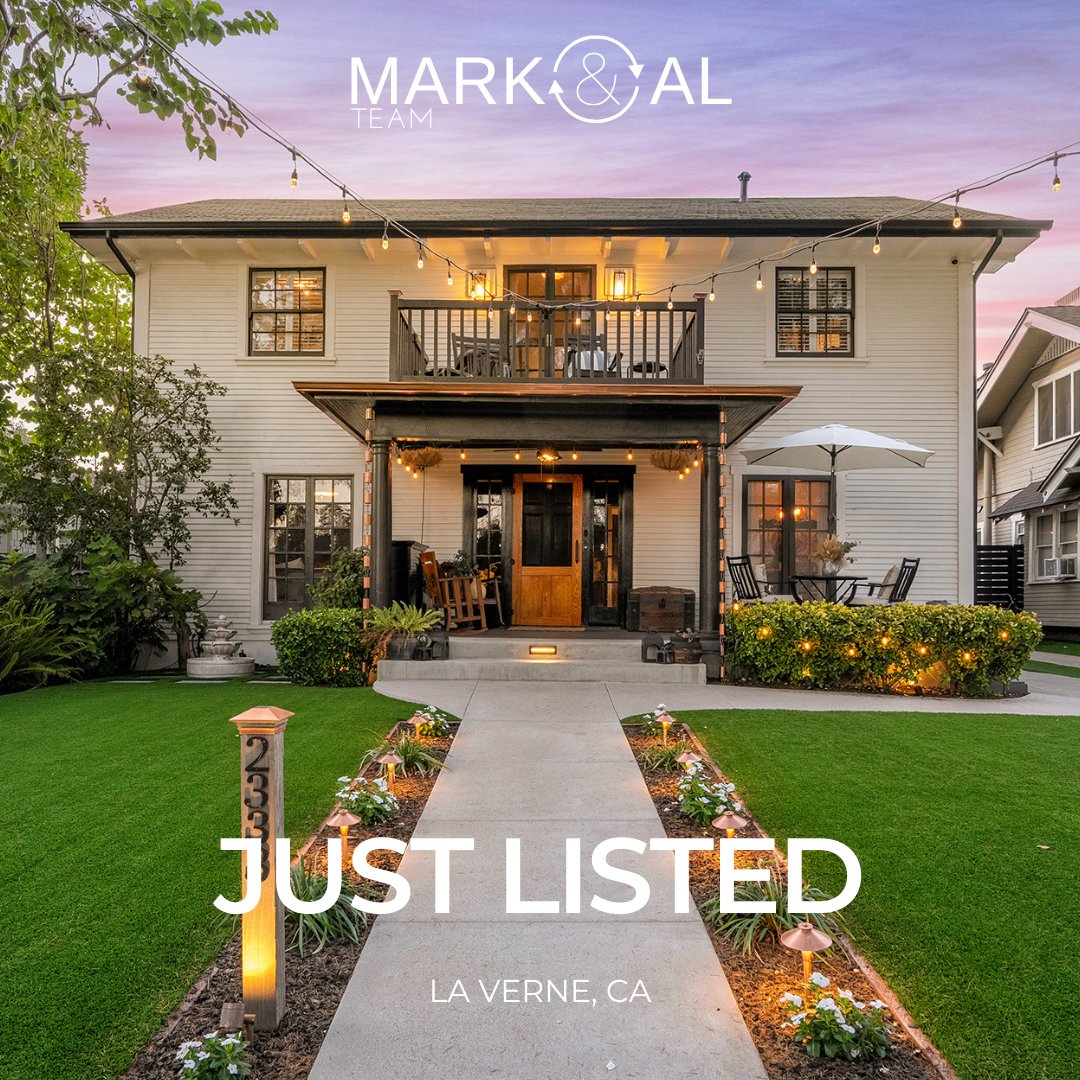
New Listing
A Beautifully Restored 1925 Colonial Home in the Heart of Old Town La Verne
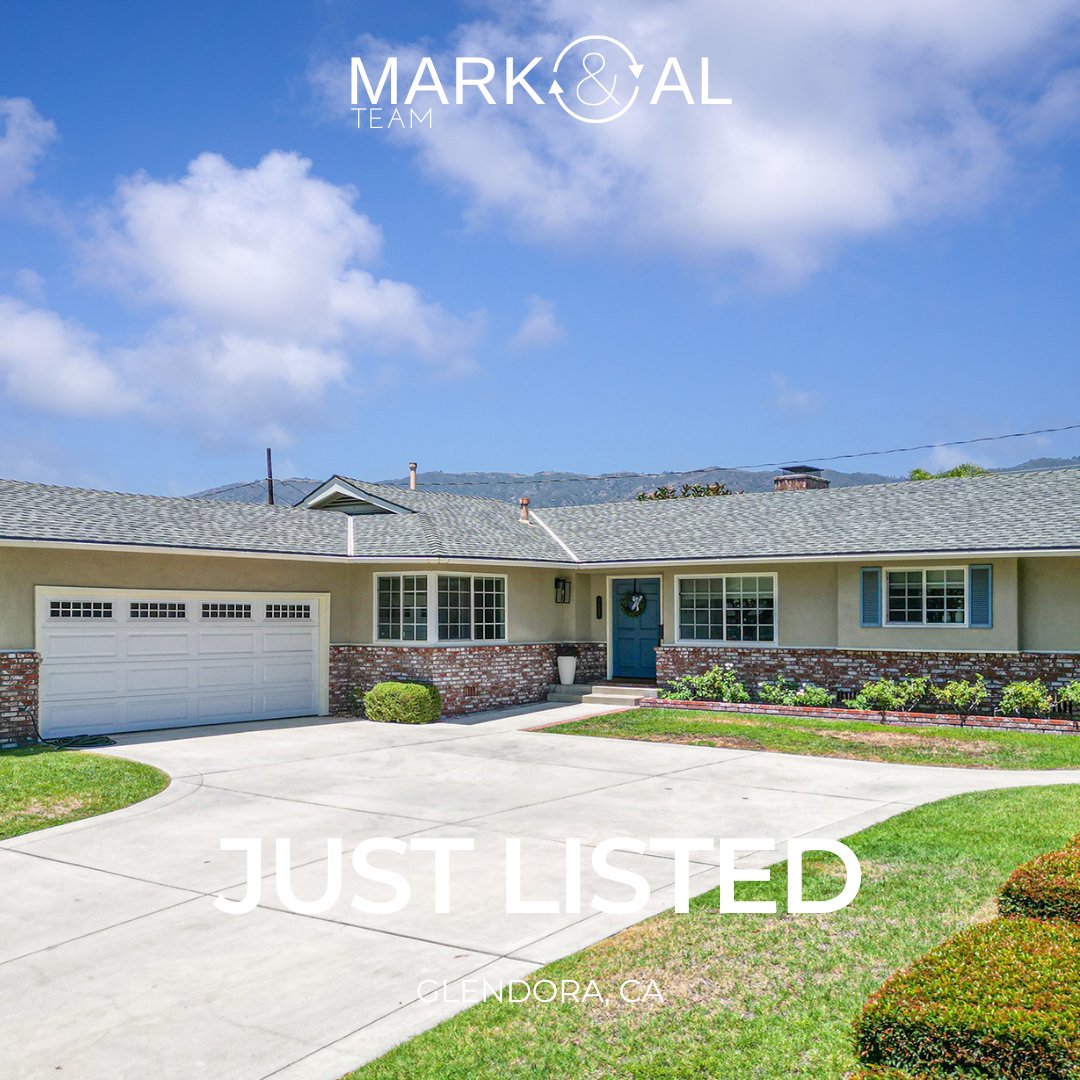
New Listing
Beautifully Upgraded North Glendora Home Designed for Exceptional Indoor-Outdoor Living
Understanding the home selling timeline from listing to closing
Our team is ready to handle every aspect of your transaction to facilitate the home buying, selling, commercial, or retail sale process. From the largest estate property to the first time buyer purchase, commercial real estate, and everything in between, we have the experience and knowledge to help.