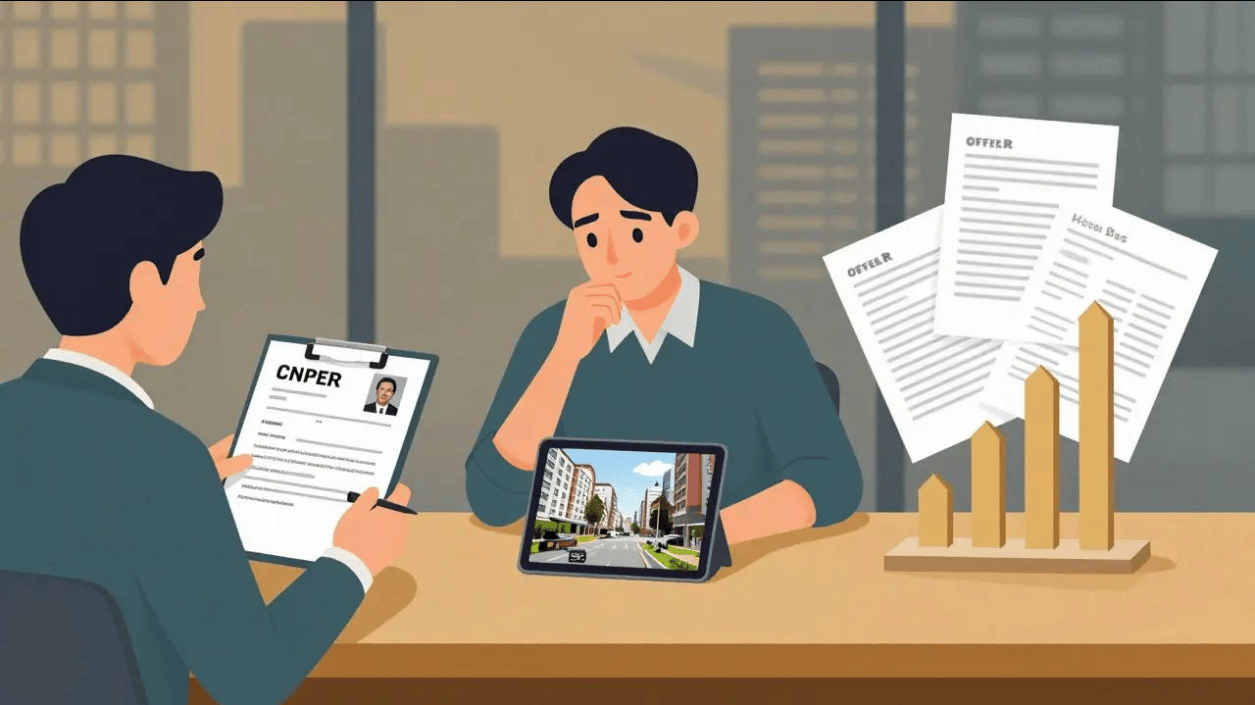
Should You Accept an Offer Below Your Asking Price?
Seller's Guide The Mark & Al Team August 6, 2026
Seller's Guide The Mark & Al Team August 6, 2026
Receiving an offer on your home is exciting, but what happens when it's lower than your asking price?
Many sellers immediately assume they should reject it and wait for a better offer. While that may seem like the obvious choice, accepting—or at least negotiating—a lower offer can sometimes be the smartest financial decision.
The truth is, an offer is much more than just a number. The buyer's financing, contingencies, timeline, and overall strength of the offer all play an important role in determining its value.
Whether you're selling in Glendora, Covina, West Covina, San Dimas, La Verne, Azusa, or a surrounding community, understanding how to evaluate a below-asking-price offer can help you make a confident and informed decision.
It's natural to feel disappointed when an offer comes in below your asking price.
After all, you've likely invested time, money, and memories into your home.
However, it's important to remember that buyers are simply making an opening offer—not commenting on the value of your home.
Instead of reacting emotionally, take time to carefully review the entire offer before making a decision.
Many sellers focus solely on the purchase price.
In reality, the strongest offer isn't always the highest one.
Consider:
A slightly lower offer with excellent terms may leave you in a better financial position than a higher offer with more risks.
Timing can influence how you evaluate an offer.
If your home has:
you may have room to negotiate or wait for additional offers.
However, if your property has been on the market for several weeks with limited activity, a serious buyer may be worth working with.
Market exposure tends to decrease the longer a home remains listed.
Every market is different.
Ask yourself:
Current market conditions should help guide your decision rather than emotion alone.
Understanding what similar homes are selling for can provide valuable context when evaluating any offer.
Receiving a lower offer doesn't mean you have only two choices: accept or reject.
Most real estate transactions involve negotiation.
You can submit a counteroffer that adjusts:
Often, buyers expect some negotiation before reaching an agreement.
A lower offer doesn't necessarily mean the buyer is trying to take advantage of you.
There are many possible reasons, including:
Understanding the reasoning behind the offer can help guide productive negotiations.
Every seller's situation is different.
Ask yourself:
Your personal goals should influence your decision just as much as the offer itself.
Waiting for a higher offer may sound appealing, but it can also come with additional expenses.
These may include:
Sometimes accepting a slightly lower offer today may actually leave you with more money than waiting several months for a higher offer that never arrives.
Every real estate market is unique, and conditions can change throughout the year.
Whether you're selling in Glendora, Covina, West Covina, San Dimas, La Verne, Azusa, or a surrounding community, current inventory levels, buyer demand, recent comparable sales, and financing trends can all influence how offers should be evaluated.
Understanding what's happening in your local market can help you determine whether a below-asking-price offer is competitive—or whether negotiating for better terms may be the right strategy.
Receiving an offer below your asking price doesn't automatically mean you should reject it.
The best decision comes from evaluating the complete offer, understanding your financial goals, considering current market conditions, and recognizing that negotiation is a normal part of the selling process.
Sometimes the strongest offer isn't the highest one—it may simply be the one that's most likely to close smoothly and on time.
Whether you're selling in Glendora, Covina, West Covina, San Dimas, La Verne, Azusa, or a surrounding community, taking the time to carefully evaluate every offer can help you make the decision that's right for your situation.
Stay up to date on the latest real estate trends.
Real Estate Terms Explained

Seller's Guide
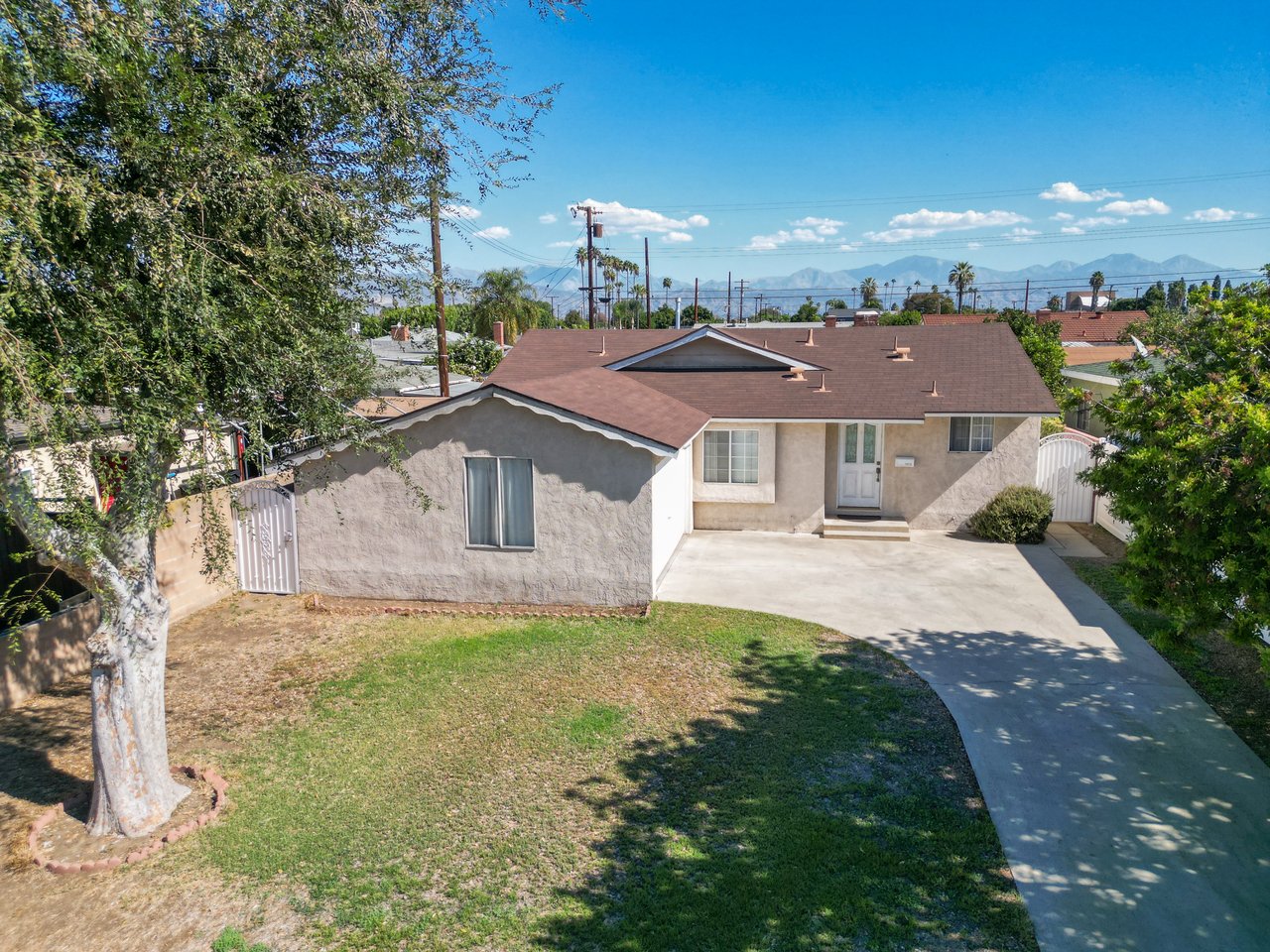
Charming Home with A Spacious Backyard in La Puente
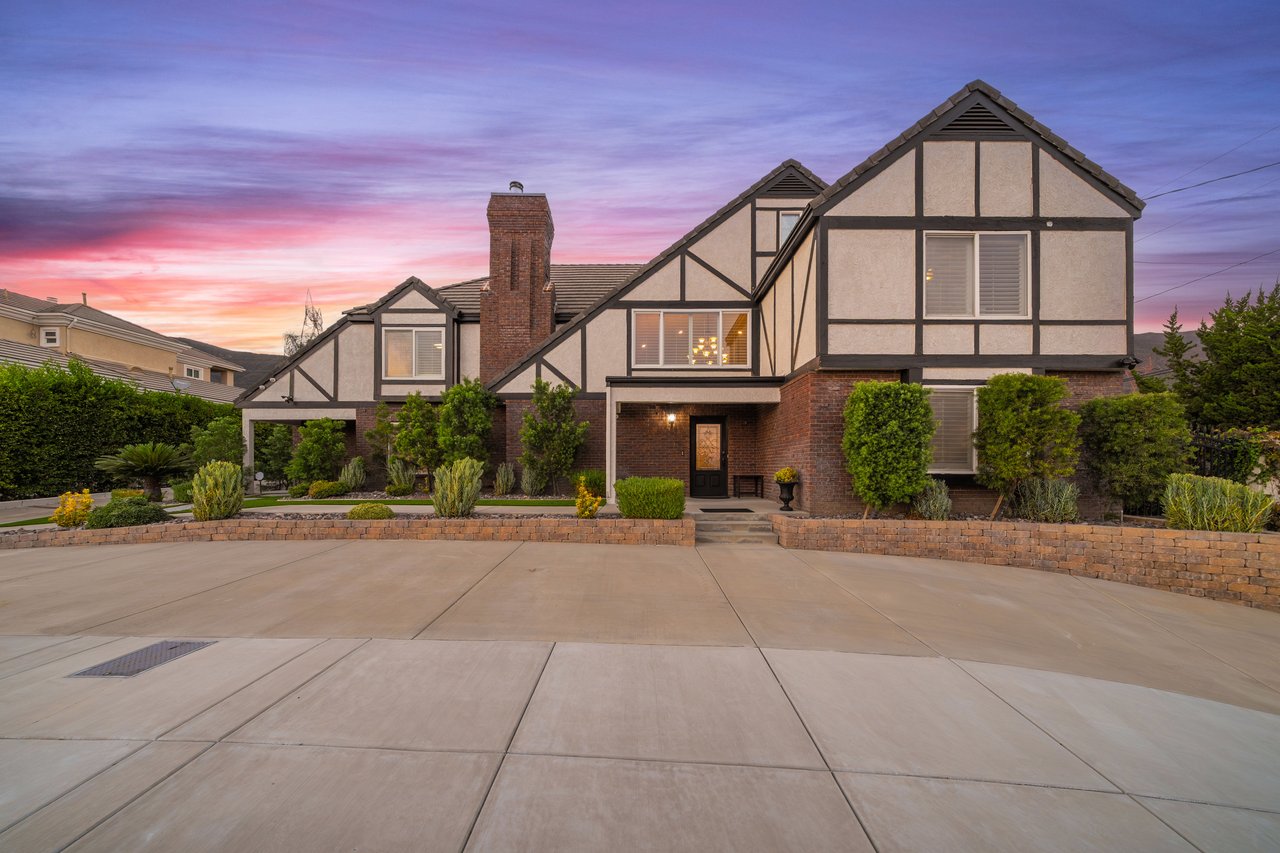
New Listing
Custom-Built Home on One Acre in Rancho Cucamonga's Alta Loma Community

Seller's Guide
Our team is ready to handle every aspect of your transaction to facilitate the home buying, selling, commercial, or retail sale process. From the largest estate property to the first time buyer purchase, commercial real estate, and everything in between, we have the experience and knowledge to help.