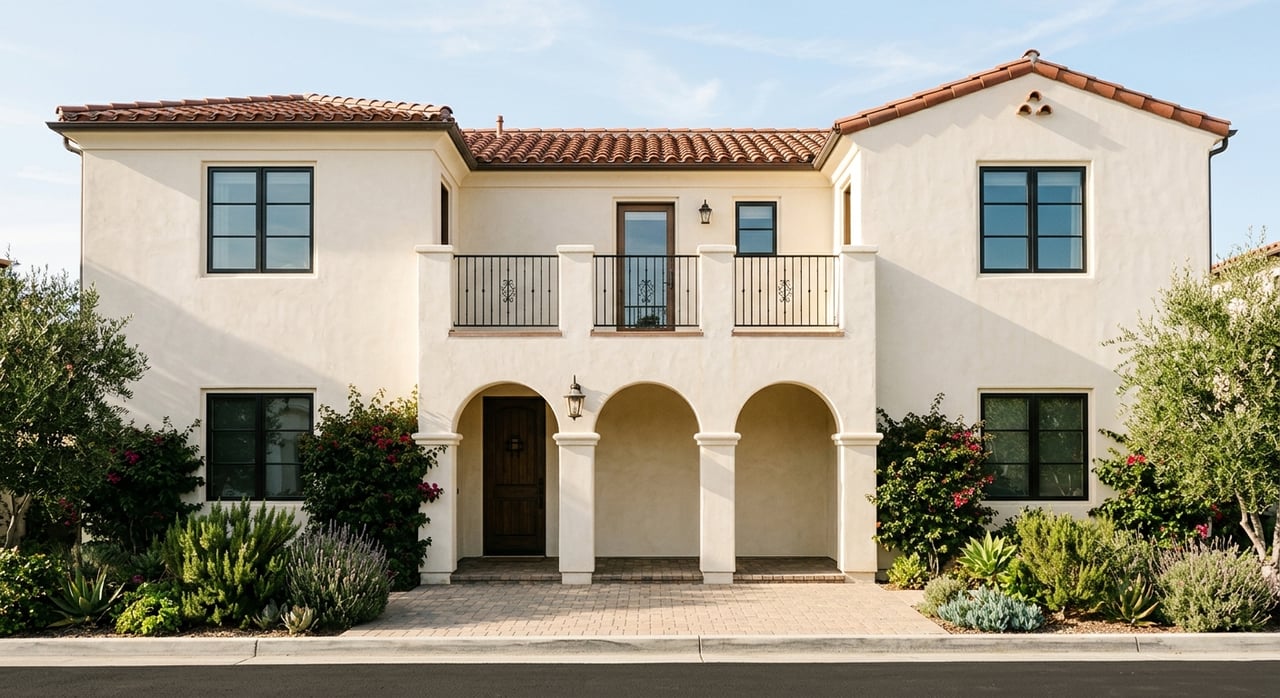
Investing In Small Multifamily Property In Claremont
May 14, 2026
May 14, 2026
If you are looking for a small multifamily investment in Claremont, you are not chasing a volume play. You are looking at a tighter, more supply-constrained market where the right duplex, triplex, fourplex, or small apartment building can offer long-term value if you buy carefully. In this guide, you will learn what small multifamily looks like in Claremont, what numbers and property details matter most, and where local rules can affect your strategy. Let’s dive in.
Claremont is a relatively small foothill city with 35,640 residents and 12,185 housing units. The city reports a 65.5% homeownership rate, median household income of $122,127, and median gross rent of $2,237. Those numbers help explain why investors often see Claremont as a stable, higher-rent foothill market rather than a lower-cost inland option.
Another key factor is limited rental supply. Claremont reported a 1.8% rental vacancy rate in its housing element, which points to a tight market. When rental availability is low, well-located and well-maintained small multifamily properties can attract steady demand.
Claremont is also less multifamily-heavy than Los Angeles County overall. In 2019, 78.2% of the city’s housing stock was single-family, while 21.7% was multifamily. Only 6.7% of units were in 2-to-4-unit buildings, which means true small multifamily inventory is present, but not abundant.
In Claremont, small multifamily usually means duplexes, triplexes, fourplexes, and some low-rise apartment buildings. These properties often appeal to investors who want more than one income stream without taking on a large complex. They can also offer more manageable operations compared with bigger apartment assets.
Because small multifamily stock is limited, buyers often need to balance price, condition, and location carefully. A property may look appealing on unit count alone, but the better investment often comes down to layout, maintenance history, tenant setup, and future flexibility.
Location matters in every market, but in Claremont it can shape both rent demand and long-term upside. The city’s historic Depot serves as a Metrolink stop and sits within walking distance of the Village shopping district. That supports rental demand near the core and along transit-adjacent areas.
City planning materials also point to the Indian Hill, Arrow Highway, and Foothill Boulevard corridors as places where redevelopment and new housing activity are more likely. Projects like Village South, the Indian Hill project, and Descanso Walk reflect this pattern, with townhomes, condos, and mixed-use housing added or planned in that broader corridor.
For an investor, that means two things. First, properties near the Village, the Depot, and active commercial corridors may carry a location premium. Second, corridor properties may deserve a closer look for long-term repositioning or infill potential, depending on zoning, parcel layout, and existing improvements.
A disciplined underwriting approach matters even more in a market like Claremont, where supply is limited and pricing can be competitive. You want to compare the in-place rent roll with realistic achievable rent, then test your assumptions against local operating realities. Tight markets can still punish overly optimistic projections.
Start with the basics:
Claremont’s low vacancy rate may suggest strong demand, but it does not eliminate risk. It is smart to underwrite conservatively on vacancy, turnover, and renovation timing, especially if your business plan depends on unit upgrades or rent adjustments.
Condition is a major issue in Claremont small multifamily investing. The city’s housing element notes that housing more than 30 years old often needs major rehabilitation, and some corridors include older, less well-maintained structures. That makes physical due diligence especially important if you are pursuing a value-add strategy.
Before you move forward, pay attention to the building systems and deferred maintenance that can change your numbers quickly. Cosmetic updates are one thing. Roofs, plumbing, electrical, drainage, and foundation issues are another.
A practical review should include:
In a city with an active compliance environment, maintenance and documentation matter. A passive-hold mindset can be risky if the property has been under-managed for years.
Not every Claremont rental property performs the same way. The city notes that 15.3% of residents live in group quarters, largely because of college student housing. That does not mean every investment property is student-oriented, but it does suggest that some rentals may experience more roommate-style leasing patterns and more frequent turnover than nearby owner-occupied areas.
For you, that means tenant mix should be part of your underwriting. A property near demand drivers may benefit from strong leasing interest, but the turnover pattern could be different from a building that serves longer-term households. Lease structure, unit layout, parking, and maintenance history all become more important when tenant turnover is faster.
One reason small multifamily can be attractive in Claremont is the possibility of incremental unit potential. The city allows ADUs on properties zoned for single-family or multifamily residential use, and it offers pre-approved ADU designs. That creates an opportunity on some parcels, but not on all of them.
If you are considering an ADU play, do not stop at the idea stage. Parcel shape, setbacks, access, utility planning, and code compliance all matter. In many cases, the best opportunity is not obvious from the listing photos alone.
This is where local guidance can save you time. A property may look like it has extra yard space, but usable development potential depends on city standards and site constraints. For investors, that makes upfront feasibility review part of smart acquisition work.
Claremont investors need to understand both state and local tenant rules. California’s Tenant Protection Act, AB 1482, limits annual rent increases for covered properties to 5% plus CPI, or 10%, whichever is lower, and requires just cause for termination once the occupancy threshold is met. Some property types are exempt, including certain newer properties and some owner-occupied situations.
Claremont also adopted its own just-cause eviction ordinance, effective June 22, 2023. According to the city, this local ordinance is more protective than state law for covered properties because it tightens substantial-remodel evictions and increases relocation assistance to at least three months of rent. However, the city states that the local ordinance does not apply to buildings or commonly owned complexes with nine or fewer rental units.
That distinction matters for small multifamily buyers. A duplex, triplex, or fourplex may be outside Claremont’s local just-cause chapter, but state law could still apply if the property is otherwise covered and not exempt. This is exactly the kind of issue you want to sort out before closing, not after you inherit leases.
It is also important to know what Claremont does not have. The city states that it does not have its own rent stabilization ordinance. It has discussed other tenant-protection tools, but the rental-registry proposal failed in February 2025, and current city materials show Claremont is still exploring housing-instability programs rather than operating a permanent rent-registry or rent-control system.
If part of your plan is Airbnb-style income, Claremont is not a market where you should assume broad short-term rental flexibility. The city allows hosted short-term rentals only. That means the owner must be present, and the property must be the owner’s primary residence or an eligible accessory structure.
No-host vacation rentals are prohibited. The city also caps permits by zone and collects a 10% transient occupancy tax. For most investors evaluating small multifamily, that means your underwriting should be built around long-term rental operations, not short-term rental income.
In practical terms, small multifamily investing in Claremont tends to reward discipline over aggressive assumptions. This is not a market where abundant inventory or easy rent-growth stories do the heavy lifting. The stronger approach is usually to buy the right asset, in the right location, with a realistic plan for condition, tenant management, and compliance.
A smart strategy often includes:
Claremont’s state-certified Housing Element plans for 1,711 new housing units through 2029, with future supply expected to come more from infill and redevelopment than from greenfield expansion. That supports the idea that existing small multifamily properties may remain a limited and closely watched segment of the local market.
Small multifamily deals usually look straightforward from the outside. Then the real work starts with leases, expenses, inspections, zoning questions, and local operating rules. In a market like Claremont, where supply is limited and details matter, local experience can help you avoid expensive assumptions.
If you are weighing a duplex, triplex, fourplex, or small apartment building in Claremont, it helps to work with a team that understands foothill submarkets, investor decision-making, and transaction details from start to finish. That is especially true when you are comparing condition-heavy properties, evaluating tenant issues, or looking for long-term upside instead of a quick headline deal.
If you are thinking about buying or selling a small multifamily property in Claremont, The Mark & Al Team can help you evaluate the numbers, the location, and the local considerations with clear, hands-on guidance.
Stay up to date on the latest real estate trends.

Real Estate Terms Explained

Seller's Guide
Charming Home with A Spacious Backyard in La Puente
New Listing
Custom-Built Home on One Acre in Rancho Cucamonga's Alta Loma Community

Seller's Guide
Our team is ready to handle every aspect of your transaction to facilitate the home buying, selling, commercial, or retail sale process. From the largest estate property to the first time buyer purchase, commercial real estate, and everything in between, we have the experience and knowledge to help.