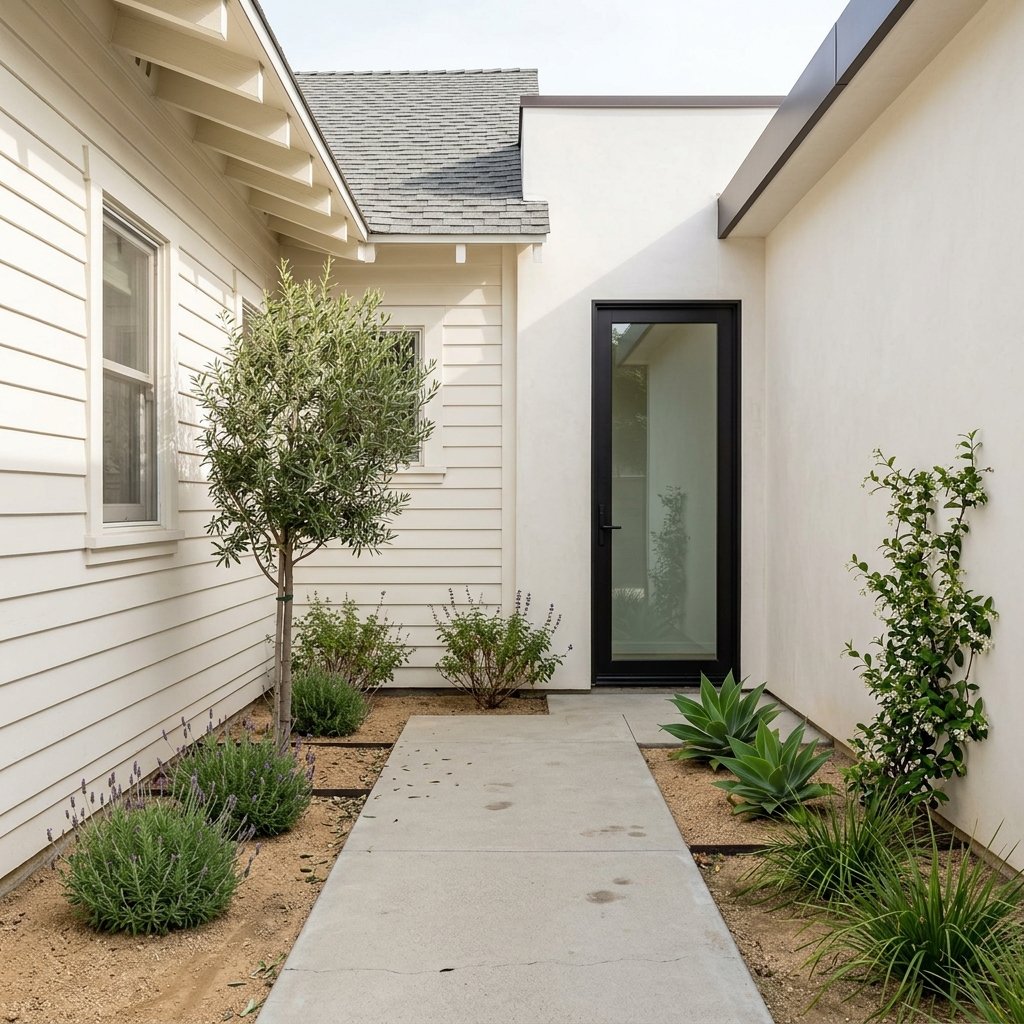
Historic And Newer Homes In Monrovia: Key Differences
June 25, 2026
June 25, 2026
Thinking about buying in Monrovia and torn between a charming older home and something with a more modern feel? You are not alone. In a city where historic preservation is part of the local identity, the choice often comes down to character versus convenience, and understanding that difference can help you buy with more confidence. Let’s dive in.
Monrovia gives buyers a housing market with clear architectural layers. The city identifies itself as the fourth oldest city in Los Angeles County, and as of January 1, 2024, it had 164 designated historic properties under its preservation program.
That matters because older homes here are not just scattered around town. They are often part of recognizable historic areas that help shape Monrovia’s streetscape and small-town atmosphere, especially near the city’s established core and Old Town.
Historic homes in Monrovia are known for character, detail, and a strong connection to the street. The city’s historic inventory includes styles like Victorian Eastlake, Queen Anne Victorian, Craftsman Bungalow, California Bungalow, Spanish Colonial Revival, Tudor Revival, Colonial Revival, Prairie Style, Mediterranean, and English Cottage.
In day-to-day living, many of these homes feel more intimate than later-built houses. You will often see one- to one-and-a-half-story forms, wood clapboard or shingle exteriors, broad front porches, low-pitched front gable roofs, and exposed rafter tails.
Part of the appeal is how these homes relate to one another. In areas like Wild Rose Tract, the city identifies a cohesive collection of early-20th-century Craftsman bungalows, while North Encinitas reflects nearly 130 years of development, with 69% of properties built before 1923.
That consistency creates a noticeable sense of place. Instead of one standout older home surrounded by unrelated construction, you often get a more unified block pattern and a stronger historic streetscape.
Older Monrovia homes were typically designed around a different way of living. Front porches, visible rooflines, and smaller-scale rooms can create a closer connection between the house and the sidewalk.
Compared with later ranch-style homes, these properties usually put less emphasis on open-plan interiors. If you love original details and a home that feels distinctive from the moment you arrive, that can be a major plus.
Newer homes in Monrovia usually appeal to buyers who want more openness and a simpler renovation path. The city’s later housing layers include postwar and more recent homes that reflect changing preferences over time.
Even in areas with older housing, newer construction may borrow from earlier styles without actually being part of the historic fabric. That means you might find homes with traditional exterior cues but a more updated ownership experience.
A practical way to think about newer housing is through the ranch-house model. Postwar ranch homes are generally one-story, spread horizontally, and centered on open living and dining areas that flow together.
For many buyers, that means easier everyday living. You may find spaces that feel more casual, more flexible, and less tied to preserving original architectural details.
If your wish list includes changing finishes, opening rooms, or making larger interior updates, newer homes often make that process easier. They are typically less tied to preservation standards than designated historic properties.
That does not mean every newer home comes with unlimited freedom. In Monrovia, significant alterations or demolition of main residential buildings that are 50 years or older can still be reviewed under the city’s neighborhood-compatibility rules.
For most buyers, the real difference is not just style. It is the ownership experience after closing.
Historic homes can offer a special living environment, but they also come with added responsibility. Newer homes may feel less distinctive architecturally, yet they often involve fewer restrictions when you want to make changes.
In Monrovia, exterior changes or additions to historic properties require a Certificate of Appropriateness under the city’s Historic Preservation Ordinance. The Historic Preservation Commission reviews those exterior changes for designated landmarks.
This is important if you are planning updates. Features like wood siding, porches, rooflines, and original window openings are often part of what gives a historic home its significance, and changes to those features may need careful review.
Historic charm usually means more maintenance awareness. In the North Encinitas context, the city notes that major changes to window openings, rooflines, and enclosed porches or balconies can undermine a contributing property’s significance.
That means ownership is often more hands-on. If you value preservation and want to maintain original character, that may feel rewarding. If you want a fast, flexible remodel, it may feel limiting.
By contrast, newer homes are less likely to trigger historic review. That can make interior and finish updates easier to plan and execute.
For buyers who want function first, this can be a major advantage. A newer home may give you more room to adapt the property to your lifestyle without the same level of process or design constraints.
| Feature | Historic Monrovia Homes | Newer Monrovia Homes |
|---|---|---|
| Overall feel | Character-rich and detail-heavy | More casual and flexible |
| Common layout | More compact, less open-plan | More open common areas |
| Exterior features | Porches, wood details, original rooflines | Simpler forms or updated interpretations |
| Renovation path | More regulated for designated properties | Usually more straightforward |
| Streetscape | Strong neighborhood continuity | More varied by age and location |
The best choice depends on how you want to live. In Monrovia, that decision often becomes clear when you think about what matters most day to day.
If you care most about original details, porch life, and a home that contributes to a historic streetscape, an older property may be the better match. If you want open common areas, lower-friction updates, and a layout that feels more current, newer housing may fit your goals better.
Monrovia is not a market where “older” and “newer” tell the whole story. A home’s age, whether it is designated historic, whether it sits in an area with preservation context, and whether it is 50 years or older can all affect what ownership looks like.
That is why it helps to look beyond finishes and square footage. Before you buy, you want to understand how the property fits into Monrovia’s housing patterns, what changes may be reviewed, and how the home’s design matches the way you actually want to live.
If you are comparing historic and newer homes in Monrovia, working with a local team can help you weigh character, flexibility, and long-term fit with more clarity. For personalized guidance on buying or selling in the San Gabriel Valley, reach out to The Mark & Al Team.
Stay up to date on the latest real estate trends.
Real Estate Terms Explained

Seller's Guide
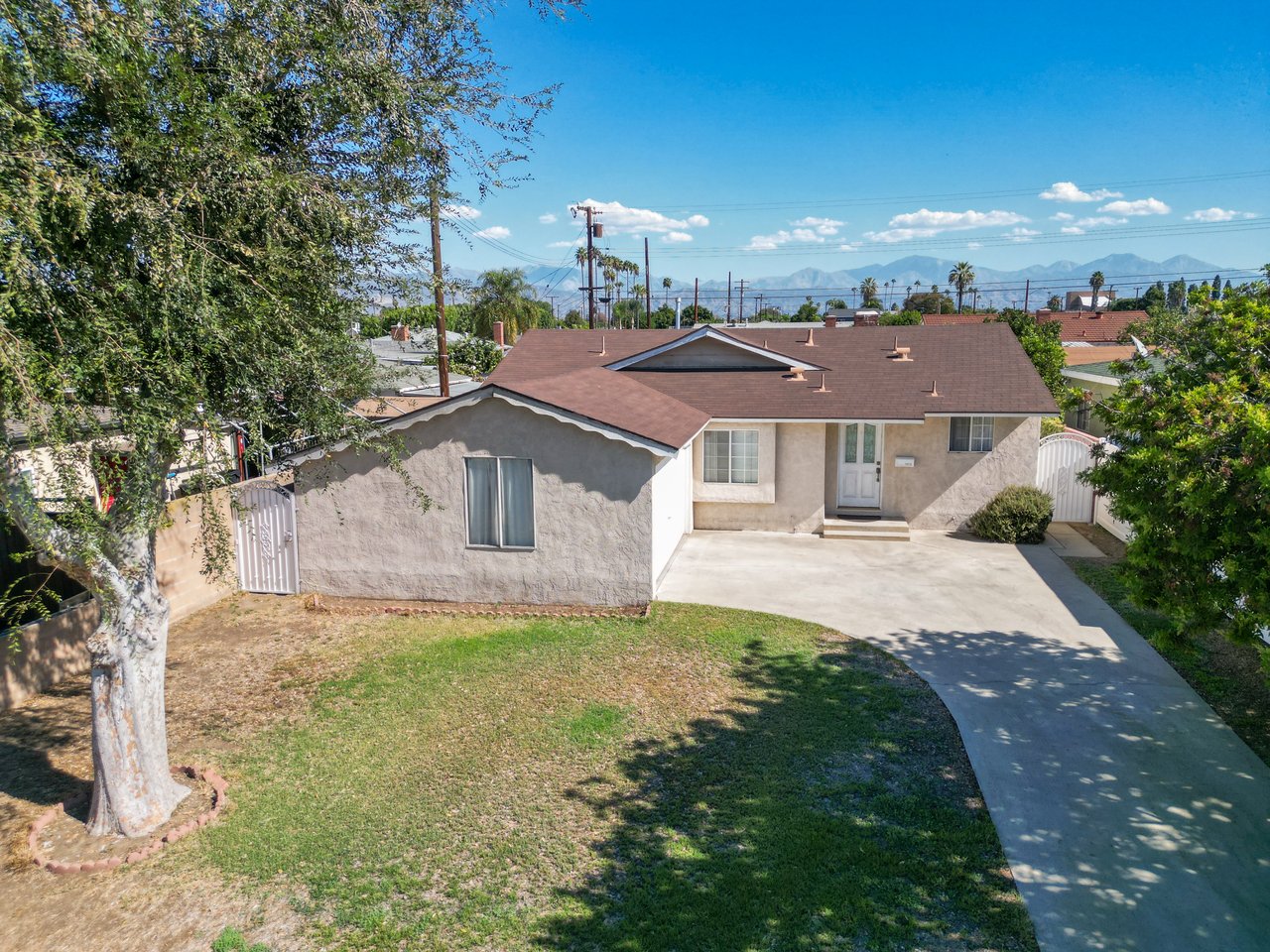
Charming Home with A Spacious Backyard in La Puente
New Listing
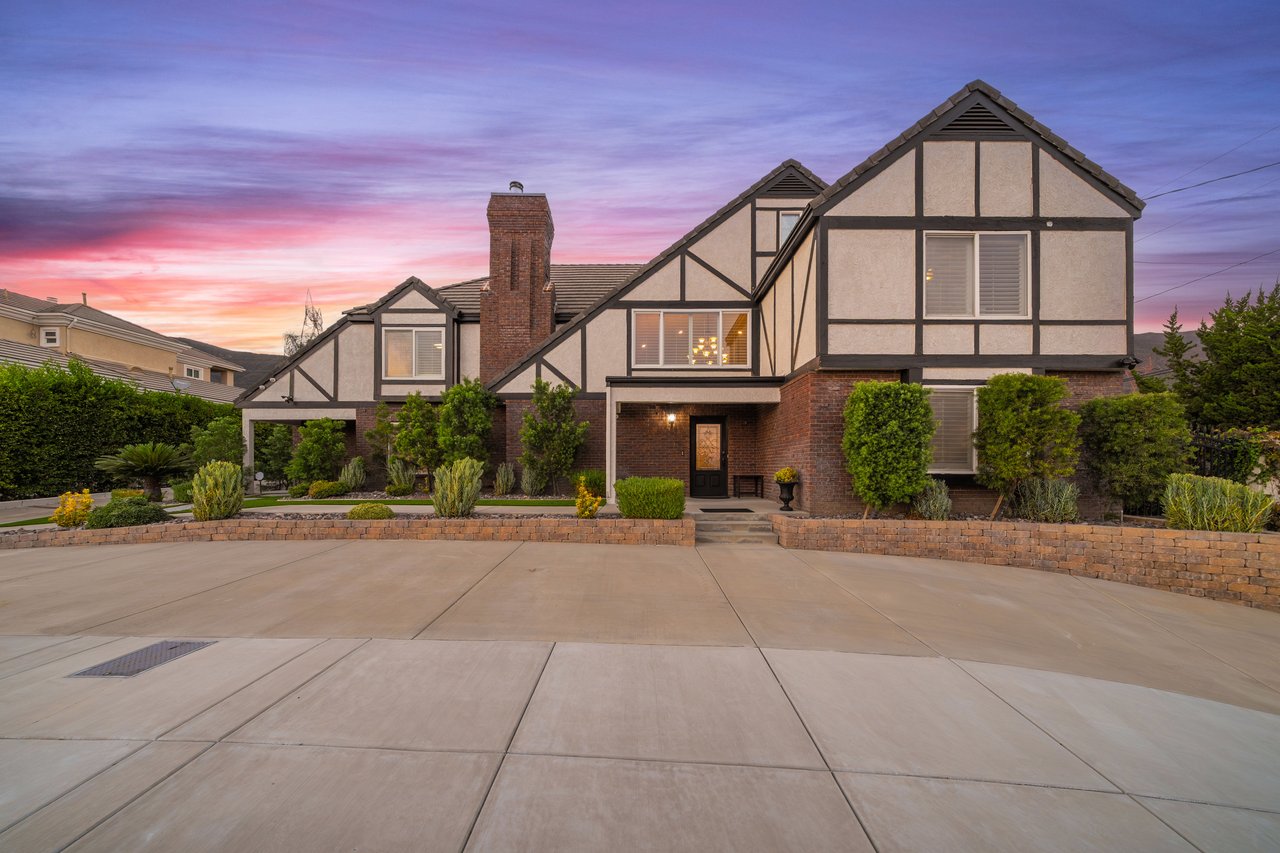
Custom-Built Home on One Acre in Rancho Cucamonga's Alta Loma Community
Seller's Guide
Our team is ready to handle every aspect of your transaction to facilitate the home buying, selling, commercial, or retail sale process. From the largest estate property to the first time buyer purchase, commercial real estate, and everything in between, we have the experience and knowledge to help.