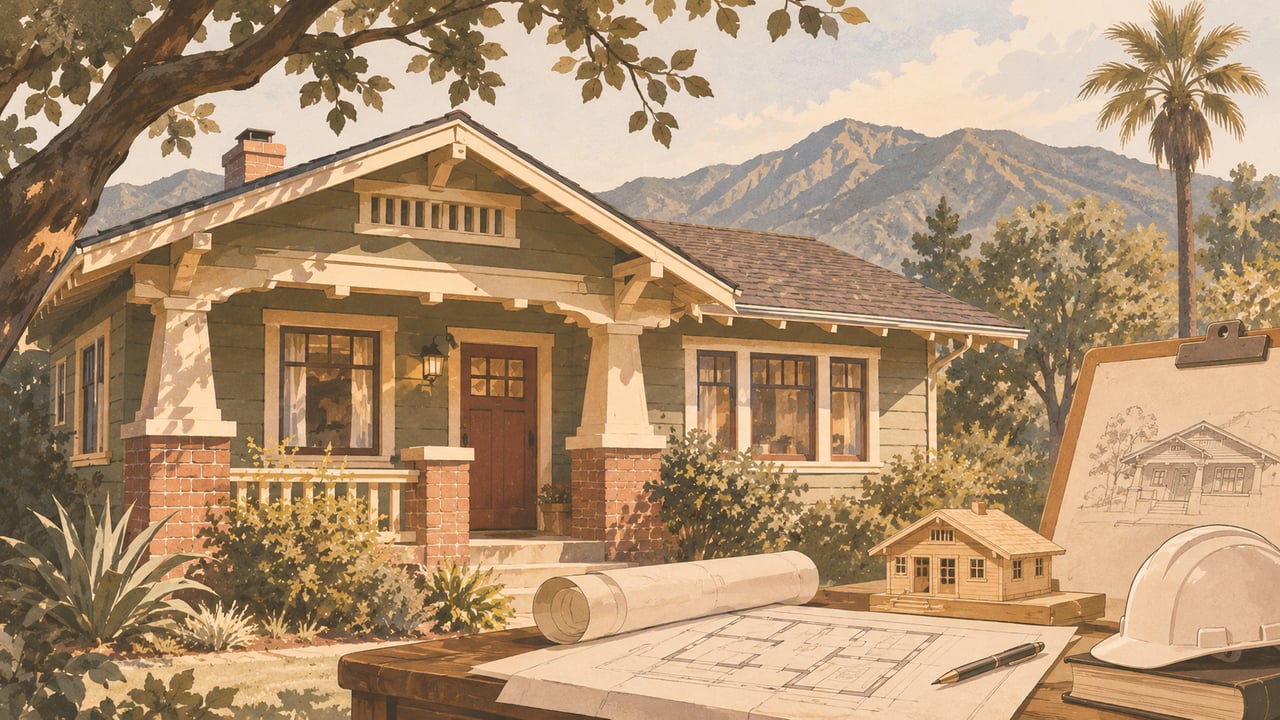
Can You Renovate a Historic Home in Monrovia? What Homeowners Need to Know Before Making Changes
Seller's Guide Mark and Al Teama November 21, 2026
Seller's Guide Mark and Al Teama November 21, 2026
Owning a historic home in Monrovia, California, comes with plenty of charm. From Craftsman bungalows to Victorian houses, these properties are an important part of the city's character. But what happens when you want to update your kitchen, replace old windows, add more living space, or build a backyard guest house? Can you renovate a historic home in Monrovia? The answer is yes, but certain changes may require special approval. Understanding the local rules before starting can help you avoid expensive mistakes and unnecessary delays.
Before planning renovations, find out whether your property has an official historic designation. Not every old house is legally considered historic. In Monrovia, properties may be designated as individual historic landmarks, located within historic districts, or classified as non-designated homes. Within historic districts, some properties are considered contributing because they help preserve the neighborhood's historic character, while others are non-contributing. These classifications can affect which renovations require additional review. Even homes without historic designation may face special requirements when major demolition is proposed. The best first step is to contact Monrovia's Planning Division and confirm your property's status.
Monrovia protects historic buildings while allowing homeowners to make reasonable improvements. For designated landmarks and certain properties within historic districts, significant exterior changes may require a Certificate of Appropriateness (COA). This approval helps ensure renovations respect the home's original architectural character. Projects that may need historic review include replacing original windows or doors, changing exterior siding, removing decorative details, modifying porches, building additions, or demolishing parts of a historic structure.
However, not every project requires the same level of approval. Routine maintenance, minor repairs, and replacing damaged materials with similar ones may qualify for simpler procedures. Interior renovations are generally more flexible. Homeowners can often remodel kitchens and bathrooms, upgrade plumbing, replace electrical systems, and install modern appliances without historic preservation approval. However, certain designated properties may have protected interior features, and regular building permits may still be necessary. Always check with the city before beginning work, especially if your plans involve original architectural details.
Windows and doors are important features of many historic homes. Although replacing drafty windows can improve energy efficiency, installing modern designs that look completely different from the originals may affect the building's historic appearance. Homeowners should consider repairing existing windows, adding weatherstripping, or selecting replacements that closely match the original style. Before purchasing materials, confirm which options are acceptable.
Adding living space is also possible, but the design should complement the existing house. Monrovia may review an addition's size, placement, roofline, and materials to determine whether it fits the property's historic character. A rear addition, for example, may have less visual impact than a large structure built at the front. Working with an architect experienced in historic properties can help you create a practical design while preserving the home's appearance.
Homeowners may also be able to build an Accessory Dwelling Unit (ADU), such as a backyard cottage, converted garage, or attached apartment. California law provides streamlined approval options for many ADUs, but historic properties may have additional design considerations. Certain qualifying ADUs may be exempt from the usual historic review process, while others must meet specific preservation requirements. Before starting an ADU project, confirm the current building, zoning, and historic preservation rules with Monrovia's Planning Division.
Modern improvements can make historic homes more comfortable and energy-efficient. Installing solar panels, improving insulation, and upgrading heating and cooling systems may be possible without compromising a property's historic character. However, solar panel placement may need special consideration for protected buildings. Installing panels on less visible roof sections, for example, may help maintain the home's traditional street-facing appearance. Homeowners should also verify that their roof can safely support the equipment and obtain any required permits.
Demolition projects require particular care. Designated historic properties generally cannot be demolished without special approval. Monrovia may also review substantial demolition involving residential buildings more than 50 years old, even when those properties are not officially designated historic. Removing large portions of a roof or exterior walls may trigger additional requirements. Before beginning major structural work, ask the city whether demolition review applies to your project.
Historic homeowners should also explore the Mills Act, a California program that may provide property tax savings for eligible historic properties. In exchange, participating owners enter into agreements to maintain and preserve their buildings. Monrovia participates in the program, but eligibility and potential savings depend on the property and applicable requirements. Homeowners should carefully review the contract obligations before applying.
Renovating a historic home can be rewarding, but preparation is essential. Start by confirming your property's historic designation and identifying which approvals your project requires. Set a realistic budget that includes extra funds for unexpected repairs, since older homes may have outdated wiring, aging plumbing, foundation problems, or hidden water damage. Hiring contractors familiar with historic buildings can help prevent costly mistakes and protect original architectural features.
Most importantly, communicate with the city early. Ask about historic preservation requirements, building permits, and design restrictions before ordering materials or beginning construction. Taking photographs of existing features and keeping records of completed repairs can also be helpful throughout the renovation process.
Yes, you can renovate a historic home in Monrovia. Historic designation doesn't mean you have to give up modern comfort or live with outdated systems. You can often update interiors, improve energy efficiency, add living space, and make other improvements while preserving the character that makes your property special. The key is understanding the rules, securing necessary approvals, and planning changes thoughtfully.
Before starting, contact the City of Monrovia's Planning Division at (626) 932-5581 to confirm current requirements. With careful preparation, your historic home can offer both timeless charm and modern convenience.
This article is for general informational purposes only and does not constitute legal, architectural, or construction advice. Historic preservation regulations, permit requirements, and local building codes may change. Homeowners should verify current requirements with the City of Monrovia and consult qualified professionals before beginning renovation work.
Stay up to date on the latest real estate trends.
Seller's Guide

Real Estate Terms Explained

Buyer's Guide
New Listing
New Listing

Buyer's Guide
Our team is ready to handle every aspect of your transaction to facilitate the home buying, selling, commercial, or retail sale process. From the largest estate property to the first time buyer purchase, commercial real estate, and everything in between, we have the experience and knowledge to help.