Can You Build an ADU in Glendora? What Homeowners Need to Know About the 2026 Rules
Real Estate Terms Explained Mark and Al Team November 14, 2026
Real Estate Terms Explained Mark and Al Team November 14, 2026
Thinking about building a guest house, creating extra space for your family, or earning rental income from your backyard? An Accessory Dwelling Unit (ADU) could be a great option for your Glendora property.
Thanks to California's housing laws, building an ADU has become easier for many homeowners. However, there are still important rules about size, setbacks, permits, parking, and construction costs.
If you're planning to build an ADU in Glendora in 2026, here's what you need to know before getting started.
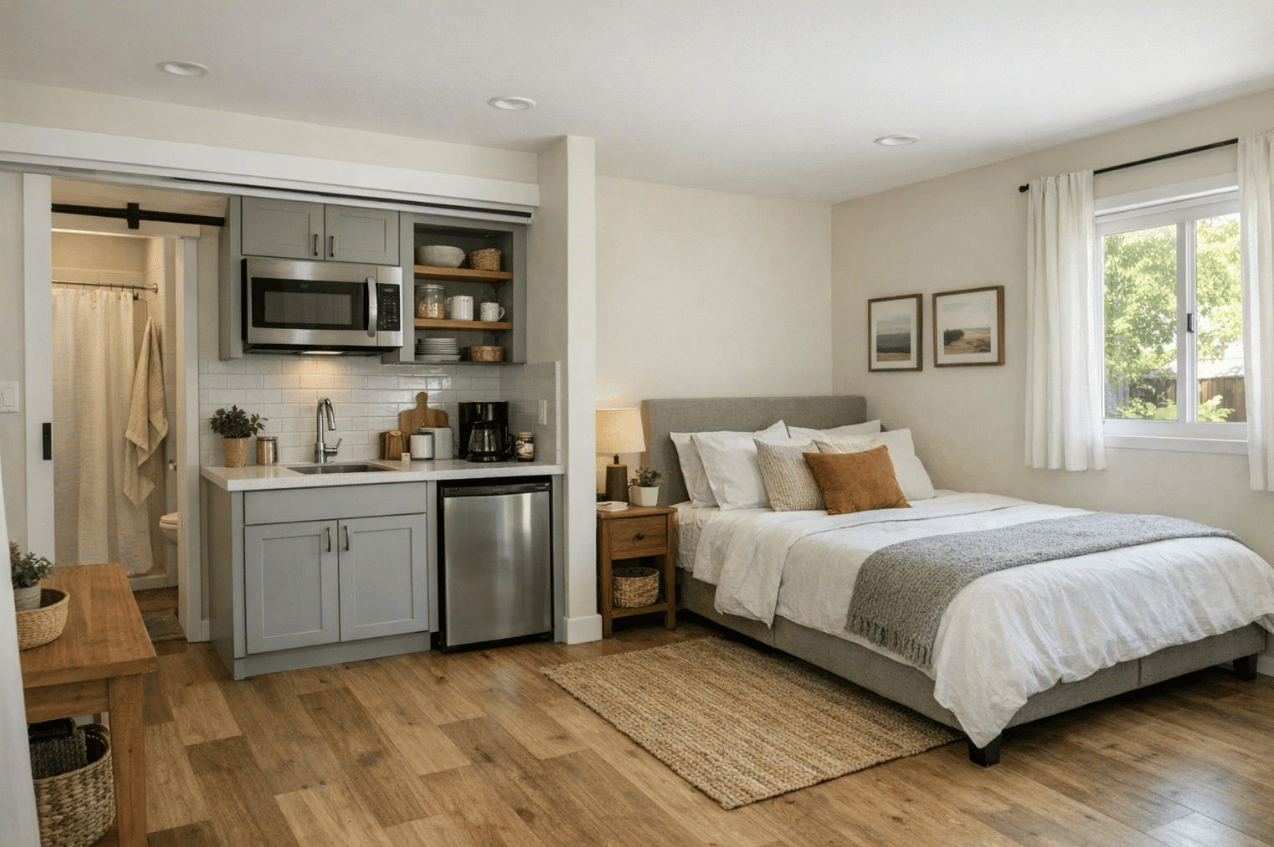
An Accessory Dwelling Unit is a smaller, independent living space built on the same property as a primary home. It typically includes a kitchen, bathroom, sleeping area, and separate entrance.
Homeowners often use ADUs to accommodate aging parents, provide privacy for adult children, or generate long-term rental income.
The biggest advantage? You can create additional living space without purchasing another property.
Yes. Most residential properties in Glendora may qualify for an ADU, provided they meet applicable California laws and local building requirements.
Generally, properties zoned for single-family or multifamily residential use may qualify if they have an existing home or a proposed primary residence.
You don't necessarily need a large backyard. California's ADU laws make it possible to build on many smaller residential lots.
However, approval depends on available space, property setbacks, building safety, utility connections, and any special restrictions affecting your lot.
Before hiring a contractor, contact the City of Glendora's Planning Division to confirm what your property can accommodate.
There are several ways to add an ADU to your property. Choosing the right type depends on your budget, available space, and intended use.
1. Detached ADU
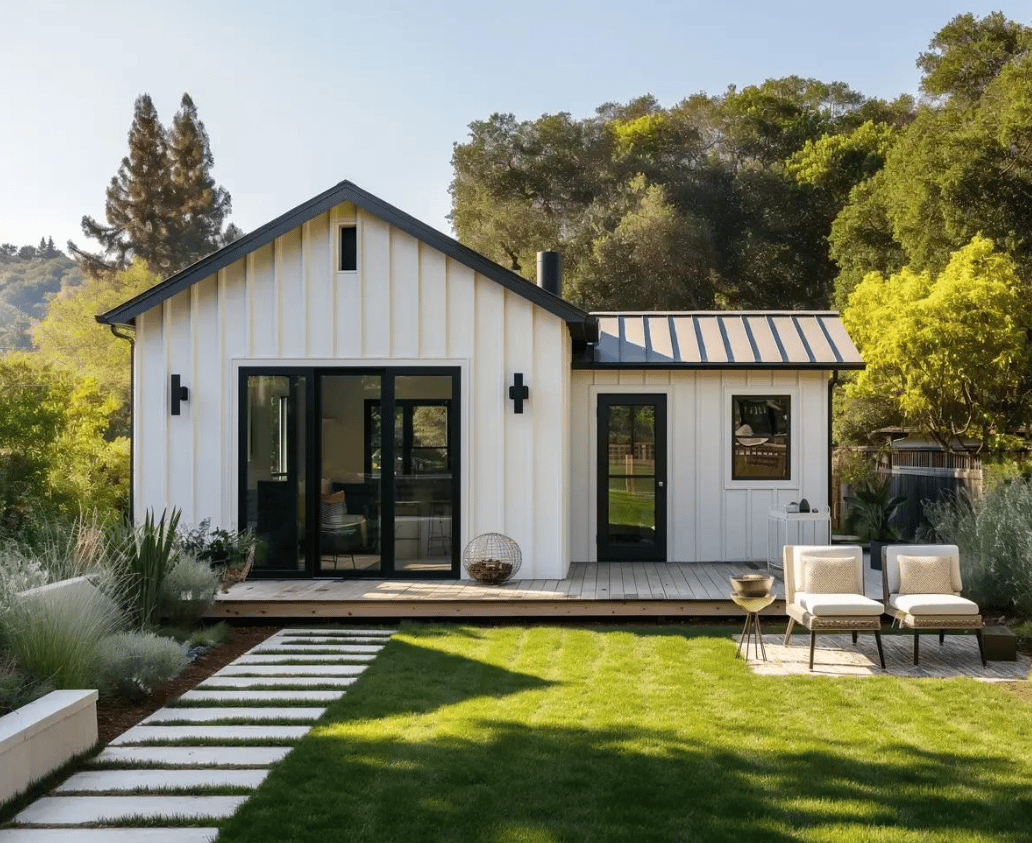
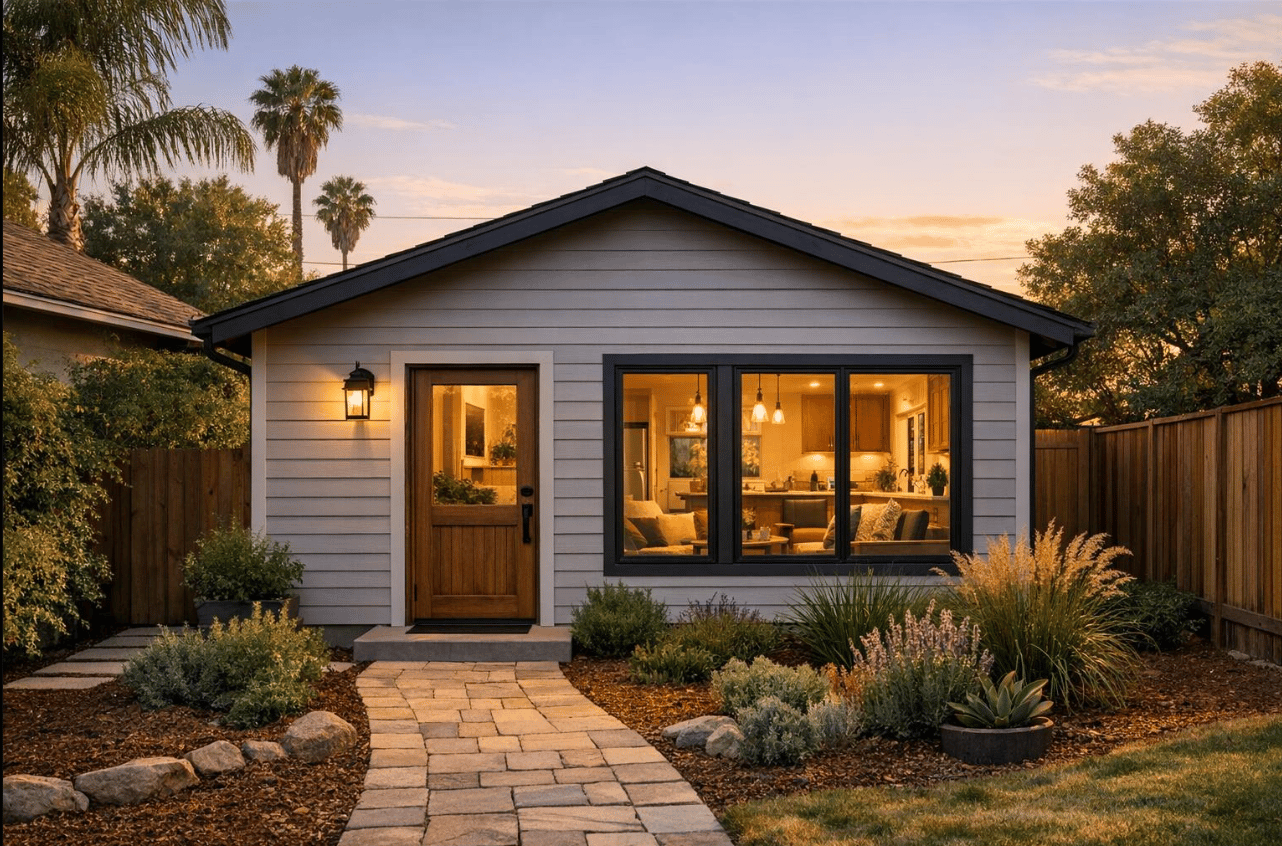
A separate building located in your backyard or another permitted area. It offers privacy and works well for rental housing or family members.
2. Attached ADU
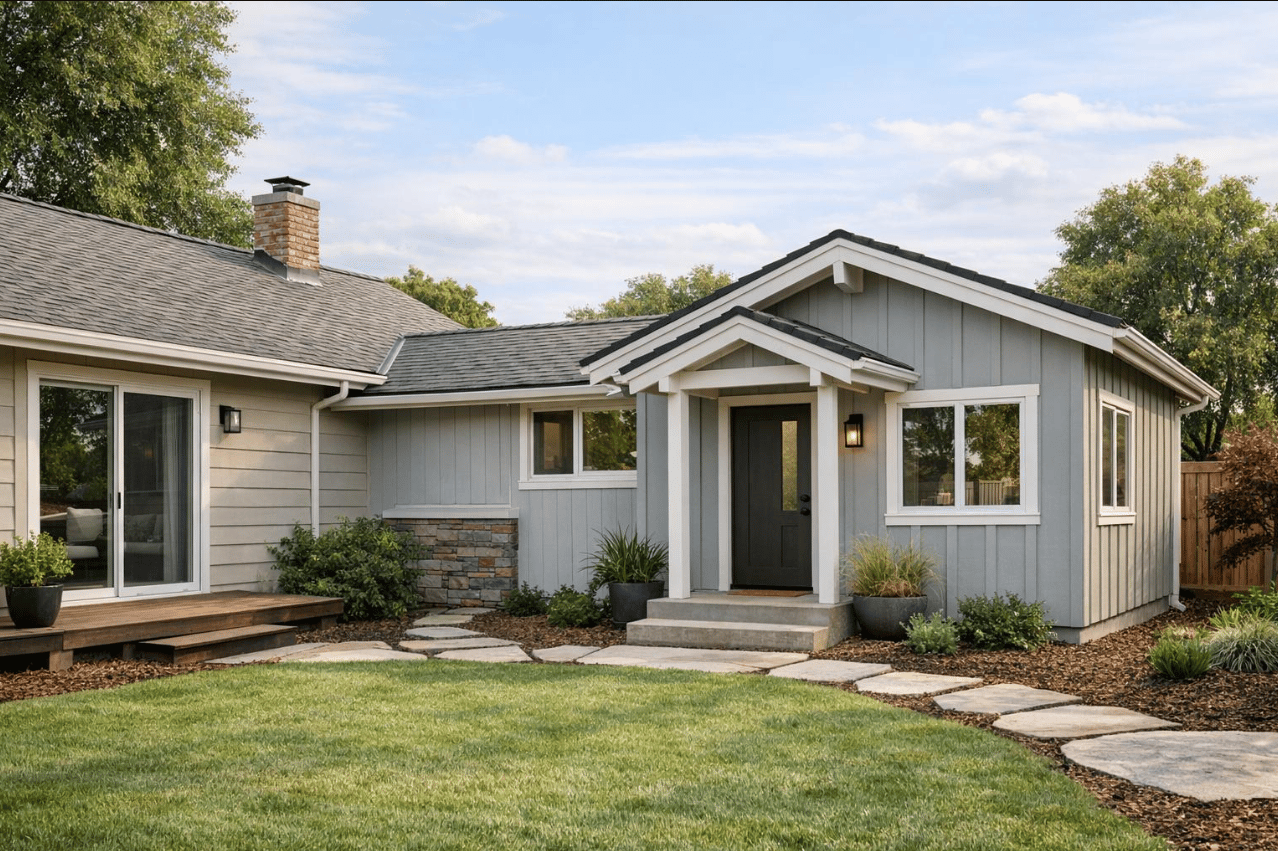
An addition connected to the main house. It provides independent living space while sharing at least one wall with the existing residence.
3. Garage Conversion ADU
An existing garage is transformed into a living unit. This can be more affordable because part of the structure already exists.
4. Junior ADU (JADU)
A smaller living unit of up to 500 square feet, created within an eligible single-family residence. It includes an efficiency kitchen and may share a bathroom.
Each option has different design considerations, so comparing costs and space requirements early can help you make the right decision.
One of the first questions homeowners ask is, "How big can my ADU be?"
Glendora's ADU guidance identifies a maximum size of 1,200 square feet for qualifying ADUs, although the allowable size depends on the project type and applicable standards.
Here is a general overview:
Requirement | General Guideline |
ADU maximum size | Up to 1,200 sq. ft. |
Junior ADU maximum | 500 sq. ft. |
Side setback | Generally 4 feet |
Rear setback | Generally 4 feet |
Detached ADU height | Up to 25 feet where permitted |
Front setback | Depends on zoning and state-law protections |
Setbacks are the required distances between a building and property boundaries.
For many new ADUs in Glendora, the general side and rear setback requirement is four feet. This flexibility can help homeowners make better use of limited backyard space.
Garage conversions may have additional advantages. If an existing structure is converted without expanding its exterior footprint, new setbacks may not be required.
However, maximum dimensions are not guaranteed for every property. Your project must still meet applicable building and safety requirements.
Parking is a common concern for homeowners, especially when driveway space is limited.
Fortunately, California law provides significant parking flexibility for ADUs.
Glendora's ADU guidance indicates that additional off-street parking generally is not required for qualifying ADUs and JADUs, although the city encourages homeowners to provide parking when practical.
For example, if you convert your existing garage into an ADU, you generally won't have to build another garage to replace the parking spaces you removed.
State law also provides parking exemptions for certain properties near public transportation and other qualifying situations.
Even when parking isn't required, consider whether future occupants will need convenient parking before finalizing your design.
Construction cost is one of the biggest factors in deciding whether to build an ADU.
Your total investment depends on the unit's size, design, materials, site conditions, and utility requirements.
As a broad California planning estimate, ADU construction can cost approximately $150,000 to $400,000 or more.
Garage conversions may cost less than newly constructed detached ADUs, while complex foundations, utility upgrades, and premium finishes can increase the total.
Beyond construction, remember to budget for architectural drawings, engineering, permits, utility connections, inspections, and unexpected expenses.
These figures are general estimates rather than Glendora-specific contractor quotes.
Getting detailed estimates from experienced ADU contractors is the best way to understand your project's actual cost.
Before construction begins, you'll need to obtain the appropriate permits from the City of Glendora.
California law provides certain fee protections for smaller ADUs. For example, qualifying ADUs smaller than 750 square feet are generally exempt from certain development impact fees.
However, homeowners may still need to pay building permit fees, plan-check charges, and applicable utility-related costs.
Some conversions can use existing utility connections, while detached units may require additional plumbing, electrical, or service upgrades.
Qualifying ADU applications generally follow a ministerial approval process. This means the city evaluates whether your plans meet objective requirements rather than requiring a discretionary public hearing.
The process typically includes five steps:
1. Check property eligibility. Confirm zoning, available space, and special restrictions.
2. Prepare your plans. Work with a designer or architect to create the necessary drawings.
3. Submit your application. Provide the required documents to the City of Glendora.
4. Complete plan review. Respond to any corrections or requests for additional information.
5. Obtain permits and build. Begin construction after approval and schedule the required inspections.
California law generally establishes a 60-day decision period for complete qualifying ADU applications, subject to statutory exceptions and pauses.
The entire project may take longer when design work, revisions, construction, and inspections are included.
Planning ahead and submitting complete documents can help reduce unnecessary delays.
Yes. Renting out an ADU is one of the main reasons homeowners choose to build one.
A permitted ADU can generally be used as a long-term rental, subject to applicable housing laws.
However, ADUs and JADUs cannot be used as short-term vacation rentals. California's ADU rules generally require rental periods longer than 30 days.
This means you should not plan to use your ADU for nightly or weekend Airbnb stays.
For a standard ADU, California law generally does not require the property owner to live in the primary residence.
Junior ADUs have different owner-occupancy requirements, particularly when they share bathroom facilities with the main home.
If rental income is part of your plan, confirm the applicable restrictions before construction.
Possibly. California's flexible setback and development standards allow many smaller residential lots to qualify. Your property's specific layout and restrictions will determine what is feasible.
Some qualifying properties may allow combinations of attached ADUs, detached ADUs, and JADUs under California law. However, the permitted number depends on your property and applicable regulations. Confirm the unit count with Glendora's Planning Division before proceeding.
It may. Additional living space and potential rental income can make a property more attractive, although the actual increase depends on market conditions, construction quality, and other factors.
Some properties may face additional requirements related to fire safety, historic preservation, steep terrain, drainage, or utility easements. An early property assessment can help identify these issues.
Generally, an ADU remains part of the main property. Certain separate-sale arrangements may be possible under specific California laws, but they require additional legal and local review.
Building an ADU in Glendora can be a smart way to create additional living space, accommodate family members, or generate long-term rental income.
The 2026 rules offer homeowners greater flexibility, but a successful project still requires careful budgeting, thoughtful design, and proper permits.
Start by reviewing your property, understanding the applicable size and setback requirements, and speaking with experienced ADU professionals.
For current applications and official guidance, visit the City of Glendora website or contact the city's Planning Division.
With the right preparation, your backyard could become one of the most valuable and useful spaces on your property.
Stay up to date on the latest real estate trends.
Real Estate Terms Explained

Buyer's Guide
New Listing
New Listing

Buyer's Guide
New Listing
Offered at $824,000 | 4 Bedrooms | 2.5 Bathrooms | 2,249 Sq. Ft.
Our team is ready to handle every aspect of your transaction to facilitate the home buying, selling, commercial, or retail sale process. From the largest estate property to the first time buyer purchase, commercial real estate, and everything in between, we have the experience and knowledge to help.